What Real Progress Looks Like in Beginner Piano Lessons
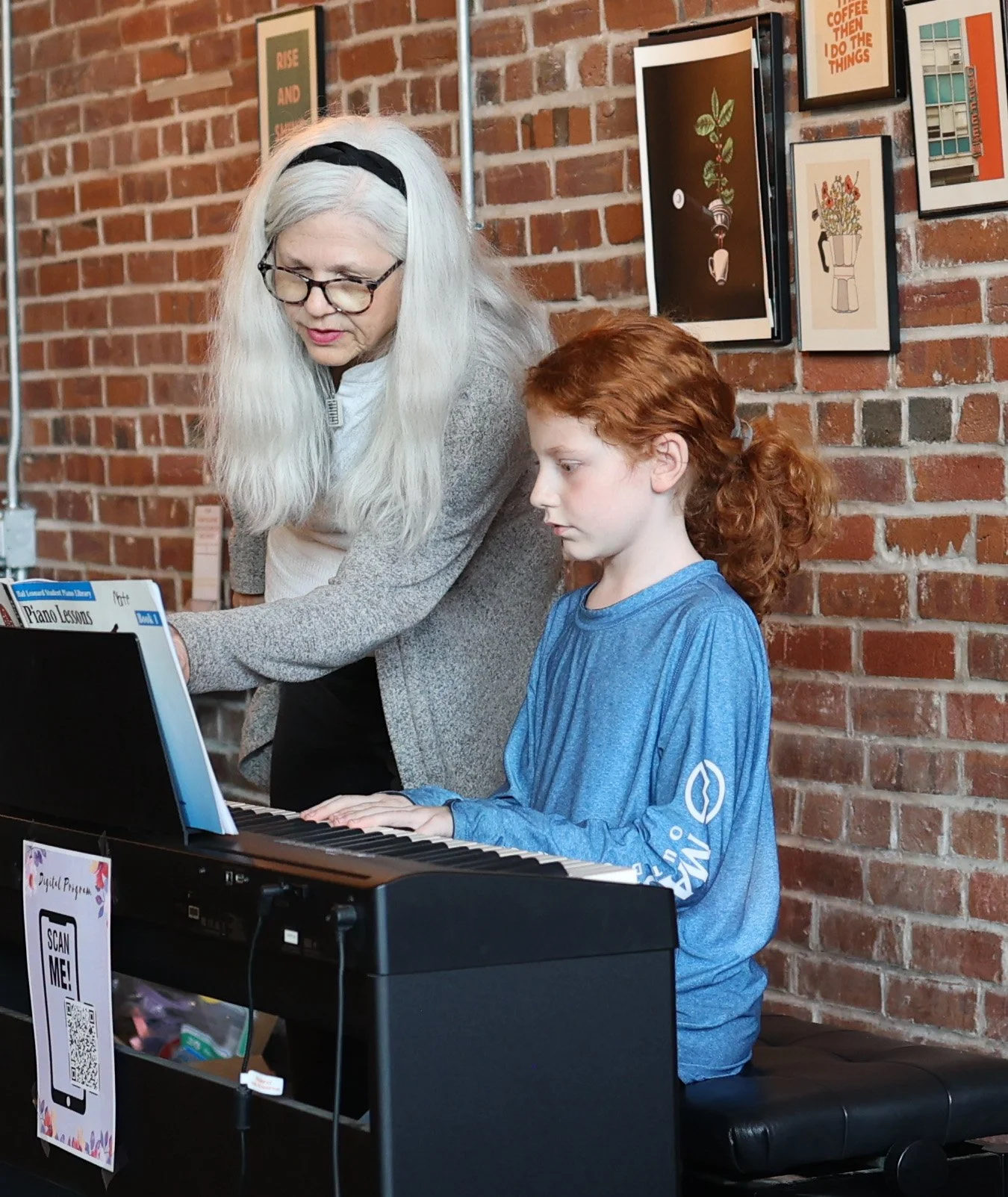
He started beginner piano lessons in November. Nine years old. Full of energy — and not exactly what you'd call "consistent."
He missed some lessons. Lost his book. More than once. Last week — broke his iPad. (That's the device he uses for Piano Maestro to check his piano homework. Gone.)
And yet.
Last weekend, he walked into a recital — in front of his whole family — and played a duet with me. Then turned around and played a solo.
Six months in. Holiday interruptions. Bad weather cancellations. A missing book. A broken iPad.
And there he was.
What Six Months of Piano Lessons Actually Looks Like
We have this idea — as piano teachers — of what progress is supposed to look like.
Consistent practice. Books that come out of the bag for home practice. Steady forward movement, week after week.
And sometimes it does look like that. But a lot of the time — especially with young beginners — it looks a lot more like this boy.
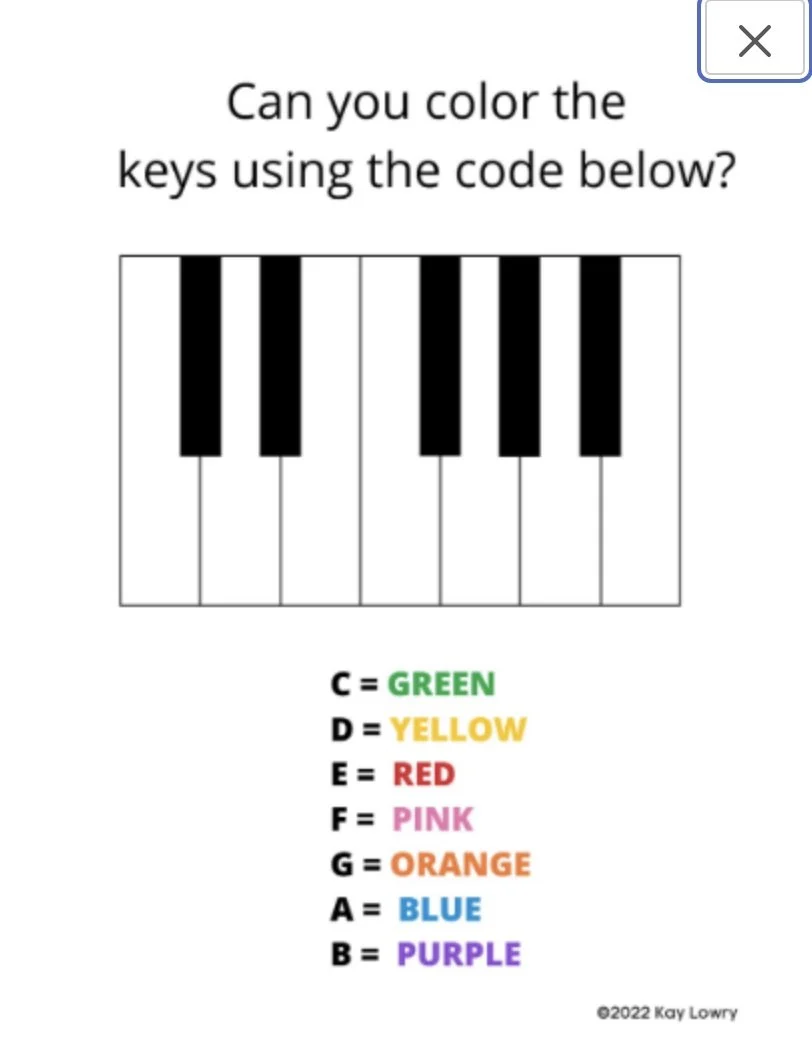
Free Piano Worksheets for Beginners (That Kids Actually Enjoy)
Learning piano starts long before reading notes on a staff.
If you’ve ever handed a beginner a worksheet and watched their eyes glaze over… you’re not alone.
Most piano worksheets are designed to test knowledge—not build it.
What young beginners really need is something different:
something they can see
something they can touch
something that actually makes sense before symbols are introduced
That’s where the right kind of worksheet makes all the difference.
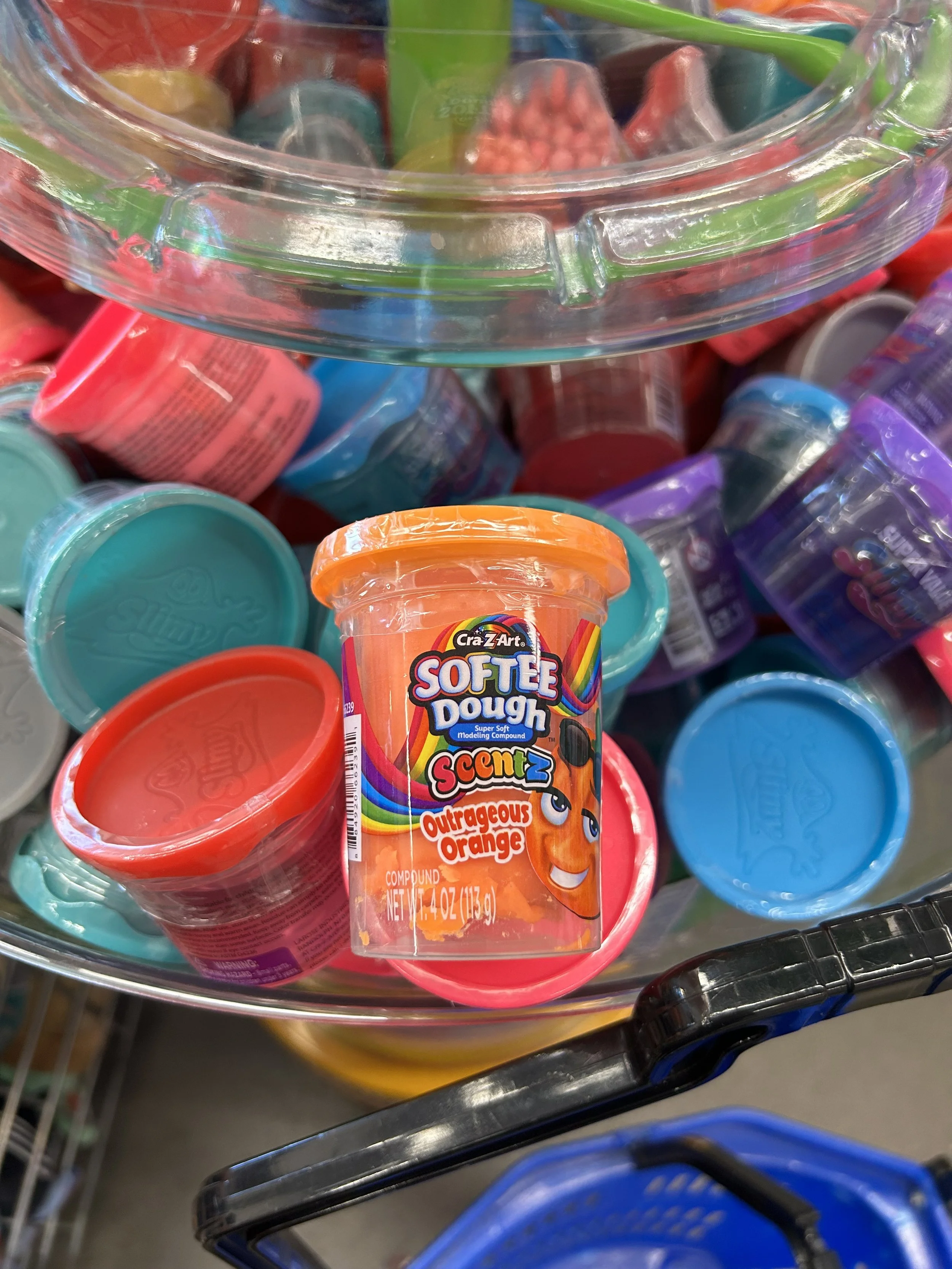
Teaching a 6-Year-Old with Everyday Objects: Real Lessons from My Studio
Real piano lesson ideas using everyday objects—perfect for wiggly students, no-practice days, and young beginners. Read on for help from a real piano teacher!
Over the past week, I’ve been sharing a small video series on Instagram and YouTube — Day _ of 10: looking for everyday objects to teach a 6-year-old — and it’s been a meaningful reminder of something I’ve learned again and again over the years:
A lot of real learning happens without new music, worksheets, or elaborate plans.
I wanted to gather a few of those ideas here and share what’s been working in real lessons — the kind of lessons where you look at the student in front of you and adjust.