How to Teach Piano Finger Numbers: A Simple Game for Young Beginners
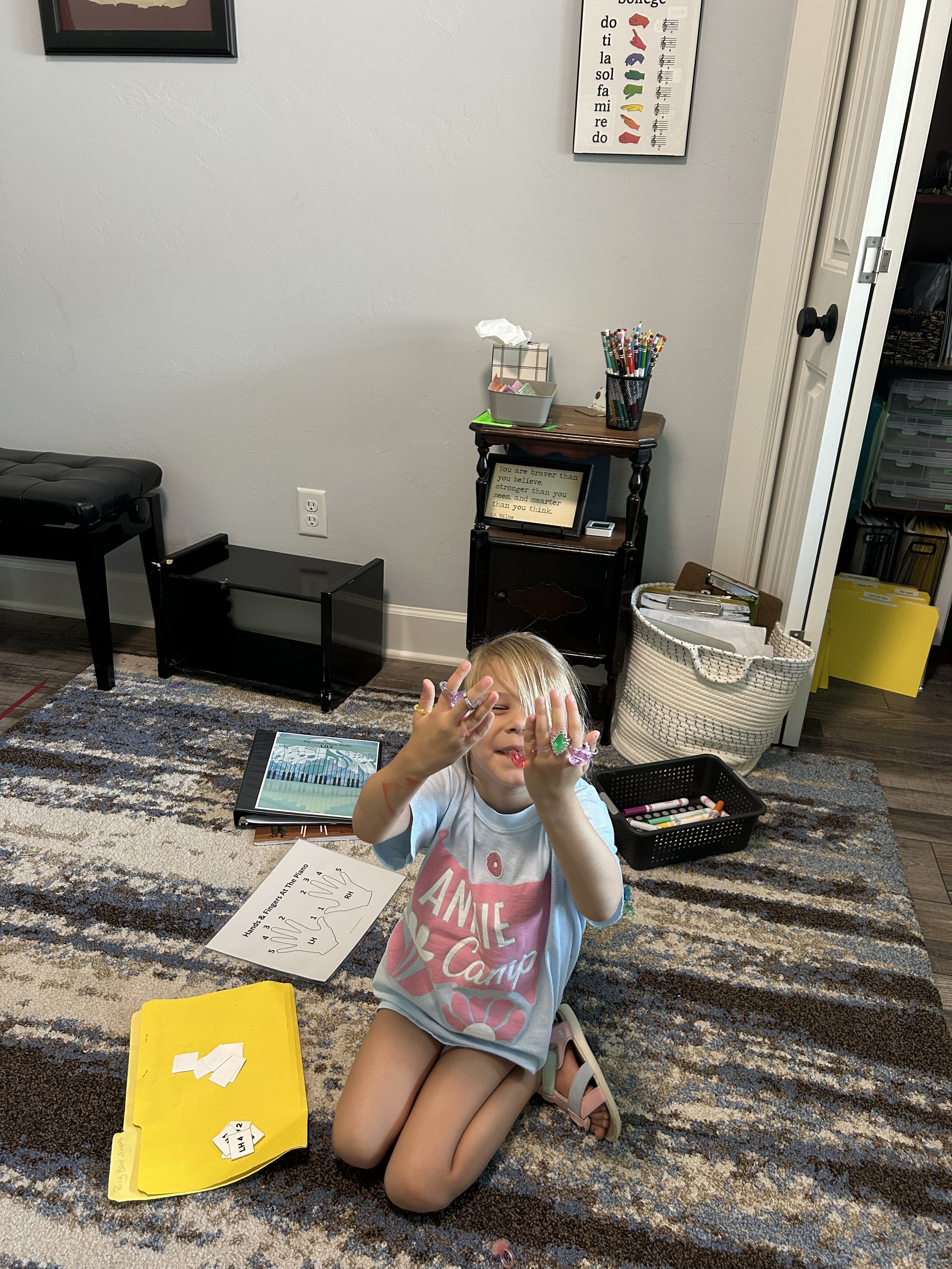
A new four-year-old came for her second piano lesson this week.
We were working on finger numbers.
As you know, finger numbers seem simple to us. But for many young beginners, they're surprisingly hard.
Why young beginners struggle with finger numbers
First, kids have to know their right hand from their left. This is pretty hard for young kids, and deserves another article here.
Then, they have to learn that there are only five finger numbers. I had one student who told me that there were 10 finger numbers, until I showed him my finger number diagram.
It’s also tough for kids to know where to start. Counting from the thumb takes time, but with repetition, it becomes second nature.
My four-year old student was a little confused, until I started playing the most POPULAR game in my studio - The Ring Game.
First Piano Lesson for a 4-Year-Old: Easy Lesson Plan
You've agreed to teach a four-year-old piano.
Now what are you actually going to do for the entire first lesson?
A traditional beginner piano lesson probably isn't going to work. Four-year-olds need to move, touch, listen, explore and change activities frequently.
The good news is that you don't need dozens of activities.
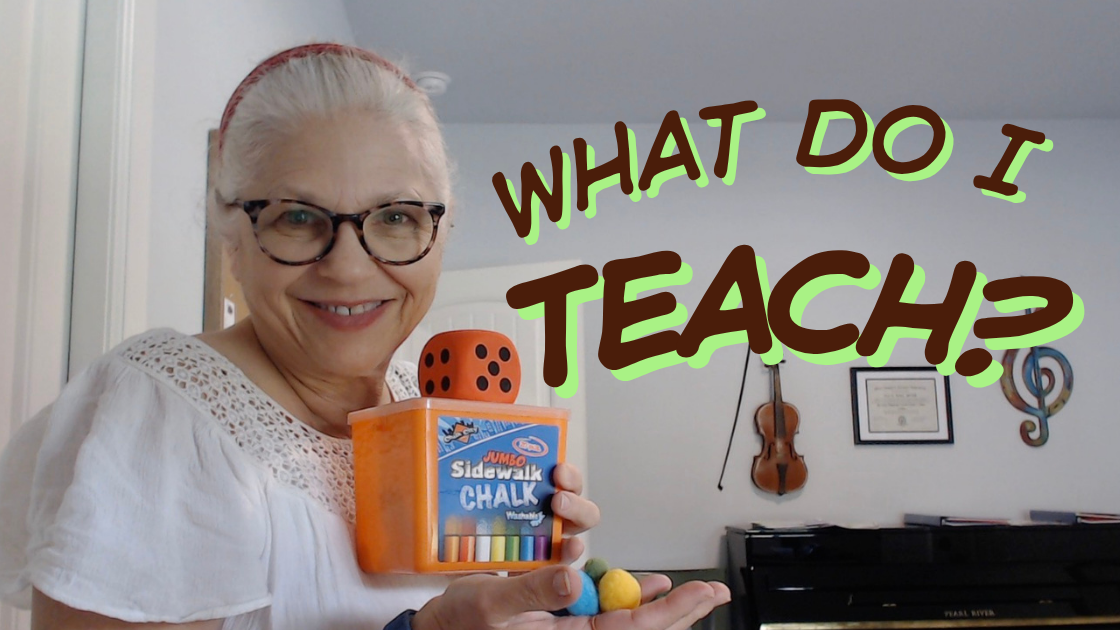
For this first preschool piano lesson, we're going to do just three things: move with sidewalk chalk, explore long and short sounds, and play a game with the black keys.
That's enough for a great first lesson.
Why I Don't Teach Counting Right Away in Beginning Piano
Have you ever asked a student to count out loud while they play? They look down at the music, hesitate for a moment, and finally say, "It's too hard. I can just play it."
If you've taught for very long, you already know what happens next. You encourage them, count with them, and try again. They whisper a few numbers, rush the whole note, skip over the half note, and before long, both of you are feeling frustrated.
I've learned that this little tug-of-war isn't usually about stubbornness. Most beginning students aren't refusing to count because they don't want to. They're trying to juggle finger numbers, note names, hand position, rhythm, and a dozen other new ideas all at once. Counting out loud simply becomes one thing too many.
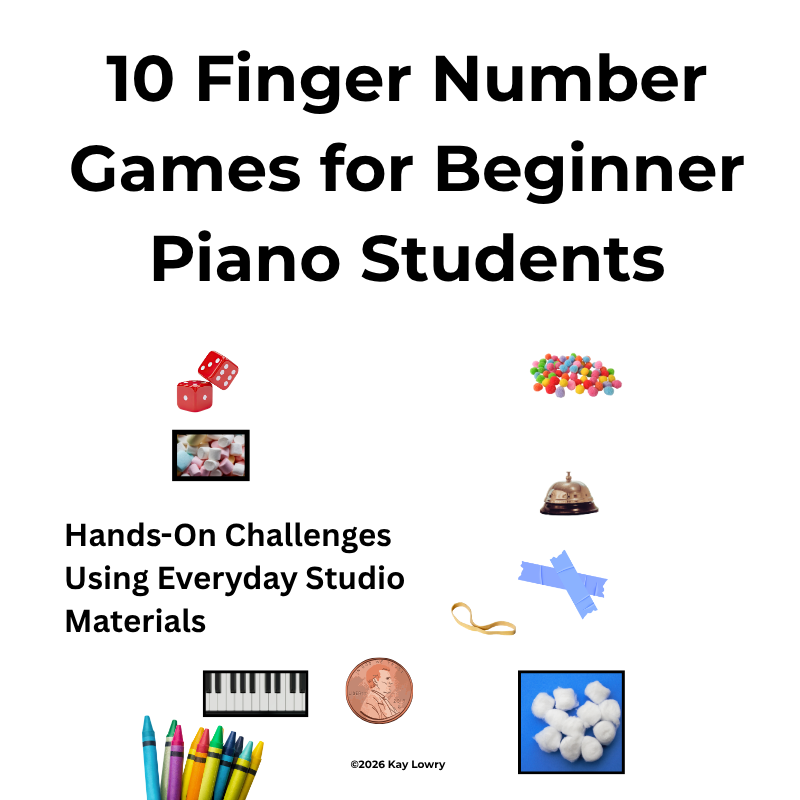
Finger Number Games for Beginner Piano: 4 Off-Bench Activities That Work
I've started a new group of beginners this summer.
And within the first few lessons — finger numbers.
I told one six-year-old we were going to learn our piano finger numbers. He lit up immediately.
"Oh, I already know that! 1, 2, 3, 4, 5, 6, 7, 8, 9, and 10!" — pointing confidently at each finger as he counted.
I pulled out my finger number graphic. The one where thumb = 1, pinky = 5.
He looked at it. Paused.
"Oh. I didn't know that."
And there it is.
How to Use Piano Worksheets Without Boring Young Beginners
If you've ever pulled out piano worksheets and watched your young beginner lose interest, you're not alone. The good news is that worksheets don't have to feel like schoolwork. They can be fun and exciting! When they're used at the right time and in the right way, they can become another enjoyable part of the lesson.
After teaching young beginners for more than 45 years, I've discovered that the worksheet itself usually isn't the problem. More often, it's how we use it. A worksheet works best when it supports something a child has already experienced.
Young Children Learn Through Experience
Imagine trying to teach a child what an apple tastes like by showing them a picture. You could color it, trace it, and talk about it—but sooner or later, they have to take a bite.
Music is much the same. Before children can understand steady beat, rhythm, or keyboard geography, they need to hear it, “speak” it (that means try it out with voice, instrument, movement) and read it, and THEN write it. That's why many of my beginner lessons start away from the piano.
4 Piano Lesson Ideas for Beginning Students This Fall
Fall is the best time to nail your first piano lesson routine — and if you teach beginning piano students, these four activities will have them hooked before the session is over.
September is coming.
And with it — new faces. New energy. New beginning piano students who have never touched a piano key in their life and are looking at you like, okay, what do we do now?
First piano lessons with beginners are everything. Set the tone right — and they're hooked. Fumble the vibe — and you spend October trying to recover it.
So here are four first piano lesson ideas I keep coming back to. Low-prep. No laminating. Just grab-and-go fun that also sneaks in some serious learning.
What Real Progress Looks Like in Beginner Piano Lessons
He started beginner piano lessons in November. Nine years old. Full of energy — and not exactly what you'd call "consistent."
He missed some lessons. Lost his book. More than once. Last week — broke his iPad. (That's the device he uses for Piano Maestro to check his piano homework. Gone.)
And yet.
Last weekend, he walked into a recital — in front of his whole family — and played a duet with me. Then turned around and played a solo.
Six months in. Holiday interruptions. Bad weather cancellations. A missing book. A broken iPad.
And there he was.
What Six Months of Piano Lessons Actually Looks Like
We have this idea — as piano teachers — of what progress is supposed to look like.
Consistent practice. Books that come out of the bag for home practice. Steady forward movement, week after week.
And sometimes it does look like that. But a lot of the time — especially with young beginners — it looks a lot more like this boy.
5 Easy Classical Piano Pieces for Beginners (That Actually Work for Kids)
If you’ve ever searched for easy classical piano pieces for beginners, you’ve probably run into this problem:
They’re not actually easy.
The notes jump all over the keyboard.
The rhythms feel unpredictable.
And your early students end up frustrated… instead of feeling successful.
So what should beginner classical music look like?
For young students, “easy” needs to mean:
A limited number of notes
A clear hand position (like middle C)
Simple, predictable rhythms
Patterns that support reading—not overwhelm it
When those pieces fall into place, something shifts.
Students don’t just play…
They start to feel like real musicians.
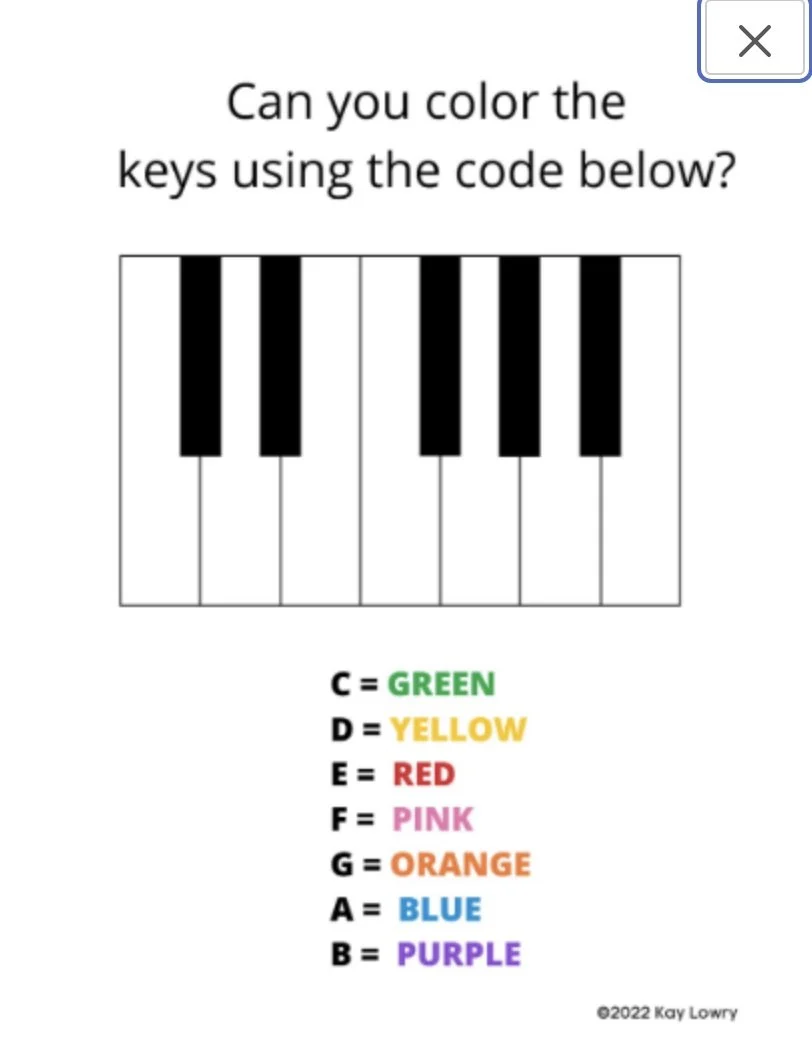
Free Piano Worksheets for Beginners (That Kids Actually Enjoy)
Learning piano starts long before reading notes on a staff.
If you’ve ever handed a beginner a worksheet and watched their eyes glaze over… you’re not alone.
Most piano worksheets are designed to test knowledge—not build it.
What young beginners really need is something different:
something they can see
something they can touch
something that actually makes sense before symbols are introduced
That’s where the right kind of worksheet makes all the difference.
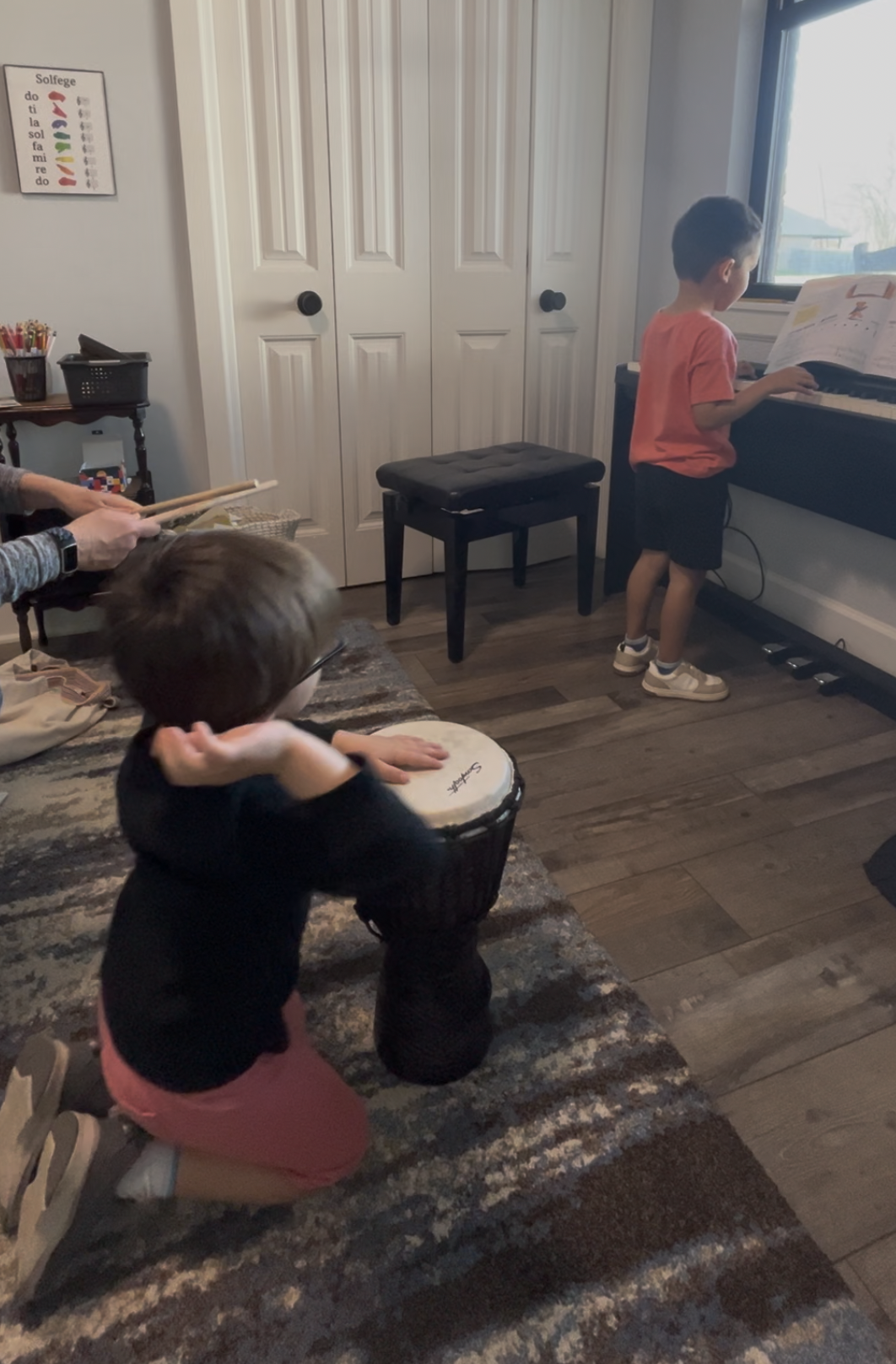
How to Teach Steady Beat Piano (Before Introducing Duets)
Learning how to teach steady beat piano is one of the most important steps in preparing beginner students for duet and ensemble playing.
If your students rush, stop, or fall apart when playing with a partner…
The problem usually isn’t the duet.
👉 It’s the steady beat.
🎯 Why Piano Duets Often Don’t Work (At First)
Many piano teachers are excited to introduce duets early—and for good reason. Playing with a partner builds listening skills, confidence, and musical joy.
But here’s what often happens:
Students speed up or slow down
They stop when the accompaniment begins
They struggle to listen while playing
And sometimes… they look at you like:
👉 “What are you playing?”
If you’ve experienced this, you’re not alone.
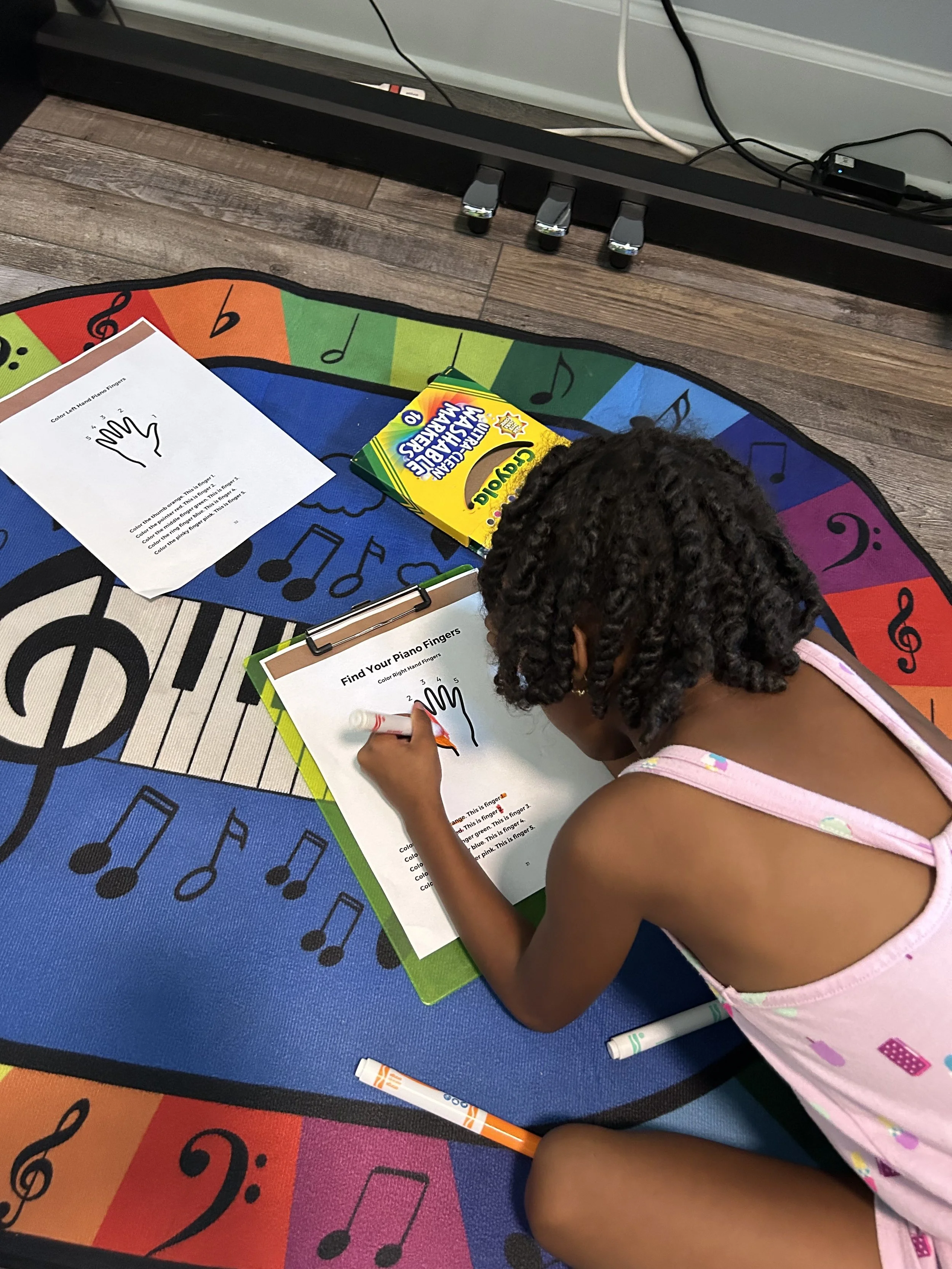
Free Piano Worksheets for Beginners (Ages 4–7)
Free Piano Worksheets for Beginners
Download these printable activities:
✔ Piano Keys Worksheets
✔ Rhythm Worksheets
✔ Finger Number Activities
Teaching young beginners at the piano is exciting — but it can also be challenging.
Before students are ready to read notes on the staff, they need time to explore the keyboard, understand rhythm, and build confidence at the piano.
That’s where printable activities can help.
What Do You Do With a Wiggly Piano Student? (A Black Key Game That Works)
f you’re looking for a no-practice piano lesson idea or a way to teach the group of three black keys, this simple floor game might become your new favorite strategy.
Because sometimes the problem isn’t the concept.
It’s the wiggles.
Teaching a 6-Year-Old with Everyday Objects: Real Lessons from My Studio
Real piano lesson ideas using everyday objects—perfect for wiggly students, no-practice days, and young beginners. Read on for help from a real piano teacher!
Over the past week, I’ve been sharing a small video series on Instagram and YouTube — Day _ of 10: looking for everyday objects to teach a 6-year-old — and it’s been a meaningful reminder of something I’ve learned again and again over the years:
A lot of real learning happens without new music, worksheets, or elaborate plans.
I wanted to gather a few of those ideas here and share what’s been working in real lessons — the kind of lessons where you look at the student in front of you and adjust.

My Solution for a Wiggly 6-Year-Old (and a No-Practice Piano Lesson That Actually Worked)
If you teach piano long enough, you know this lesson well.
The student arrives full of energy.
Practice didn’t happen.
Sitting still is clearly not an option.
Instead of forcing the piano bench, or nagging about counting out loud, this week I grabbed chalk and headed to my driveway.
And honestly?
It turned into a very productive activity. Not to mention her dad saw us as he came to pick her up. He was duly impressed!
A Simple Piano Hopscotch Game for Wiggly Students
I drew a hopscotch grid on the driveway and filled each square with something musical:
a simple note
a rest
or a piano key
Here’s how we played:
🎹 Little Fingers Jingle Bells: A Christmas Duet for Preschool Piano Students
When preschoolers play Jingle Bells — and stay engaged the whole time 🎶
If you’ve ever tried to teach Jingle Bells to a preschooler, you know how quickly things can fall apart.
Little fingers wander, attention drifts, and suddenly your adorable holiday moment turns into… chaos with sleigh bells.
That’s why I created Little Fingers Jingle Bells — a simple call-and-response duet designed just for preschoolers. It turns one of the most beloved Christmas songs into a joyful back-and-forth between teacher and student.
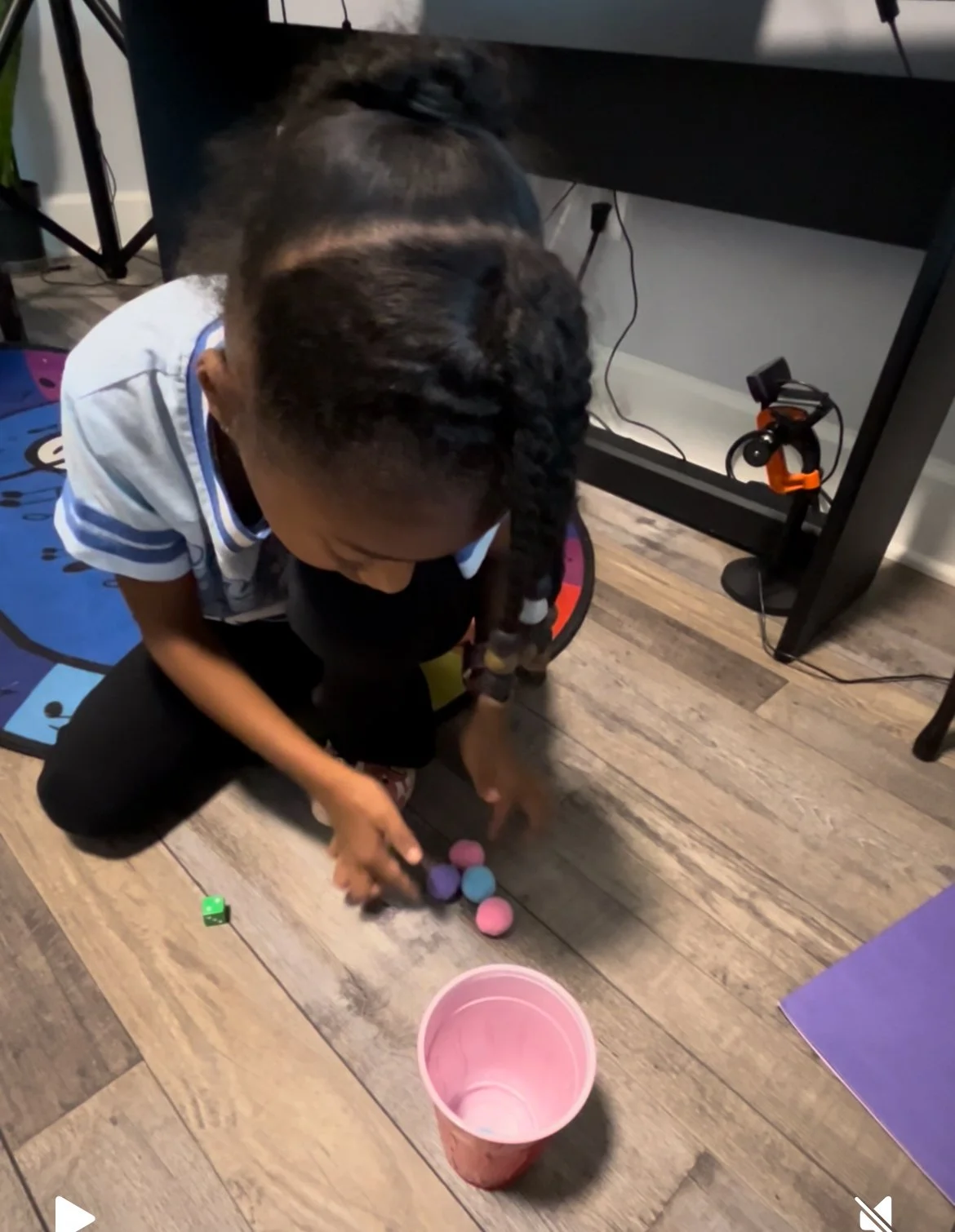
Finger Number Confusion? Try This Simple Piano Game for Beginners!
If your beginner piano students keep mixing up their finger numbers, try this fun and easy piano game that helps kids remember fingers through movement and play.
🎵 When Finger Numbers Just Won’t Stick…
If you’ve ever had a student mix up finger 2 with finger 4 (again), you know the struggle. 😅 You remind them, count together, even label fingers on paper—but a week later, they’re still guessing.
That’s why I love this simple, hands-on piano game that turns finger number review into an activity kids actually enjoy!
How to Teach Piano Duets to Kids: A Simple Ostinato Activity That Builds Teamwork
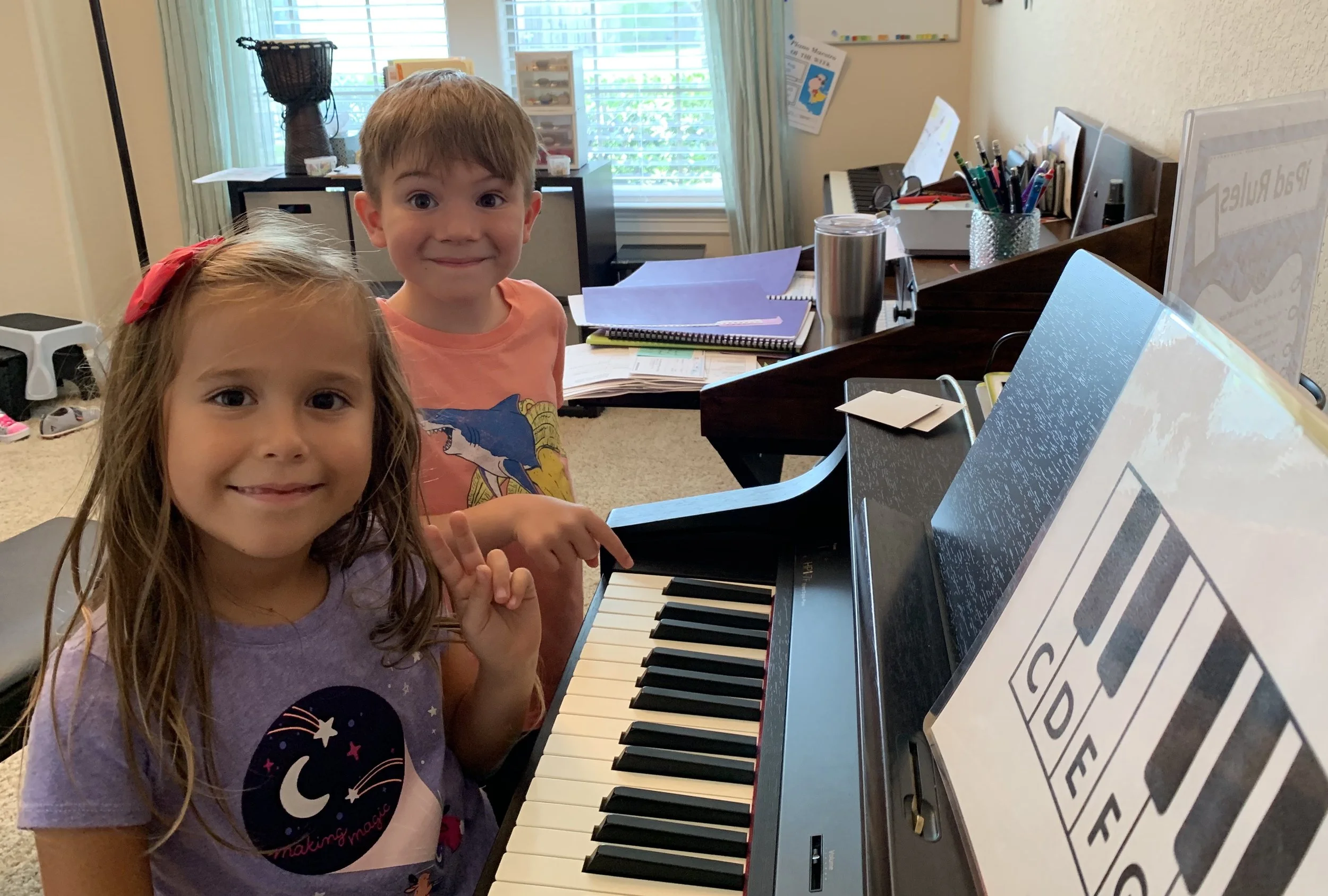
If you’ve ever wondered how to teach piano duets in a way that’s fun, interactive, and actually works for beginners, this simple ostinato activity will quickly become a favorite in your studio.
Teaching students to play together is one of the most rewarding parts of being a piano teacher. When two children share the bench, listen to each other, and keep a steady beat — real musical magic happens.
In the video above, you’ll see a quick, engaging way to introduce duet playing to beginners:
Student 1 plays a simple ostinato pattern — just a 5th that repeats.
Student 2 plays the melody on top.
That’s it! But what’s really happening is so much more. Students are learning:
🎵 Steady Beat: Feeling rhythm through repetition rather than counting aloud.
🎵 Listening: Adjusting to one another’s timing and dynamics.
🎵 Teamwork: Experiencing what it means to make music with someone else.

🎹 How to Teach Half Notes: A Simple Rhythm Fix That Actually Works
It happens to the best of us.
That student who forgets to hold the half note for two full beats.
You remind them. You count with them. You even say, “Remember, the half note gets two beats!”
…and still, the moment they start playing, poof — the second beat disappears.
If this sounds familiar, you’re not alone. Teaching rhythm to beginners can feel like you’re saying the same thing on repeat. But sometimes, the fix isn’t in more words — it’s in how we help them feel the beat.

6–7 Piano Etudes: Turning a Viral Meme into a Fun Way to Teach Scales
Another surprise from this week: 6–7 is still going strong!
If you’ve been around middle and elementary schoolers lately, you’ve probably seen the “6–7” hand motion that means absolutely nothing — except that it’s cool and slightly annoying to adults. 😆
So I did what any self-respecting piano teacher with an “evil plan” would do…
I turned it into a piano etude.
🎵 The 6–7 Piano Etude (Major Edition)
This short, catchy etude uses the C Major scale, with repeated emphasis on the 6th and 7th degrees

Pom-Pom Friends — A Sweet Reminder to Slow Down in Piano Lessons
Have you ever been reminded to slow waaaaay down in piano lessons?
That happened this week.
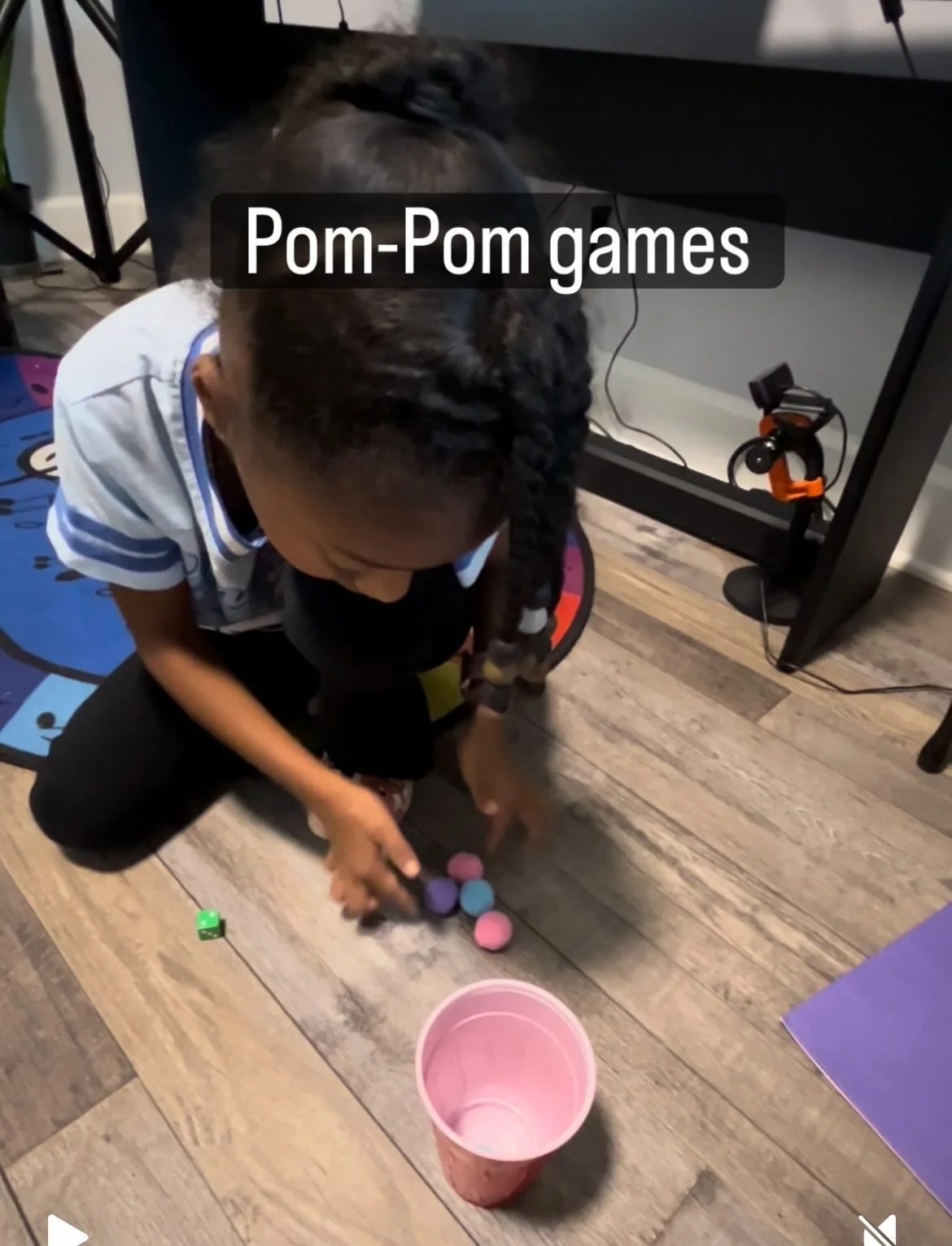
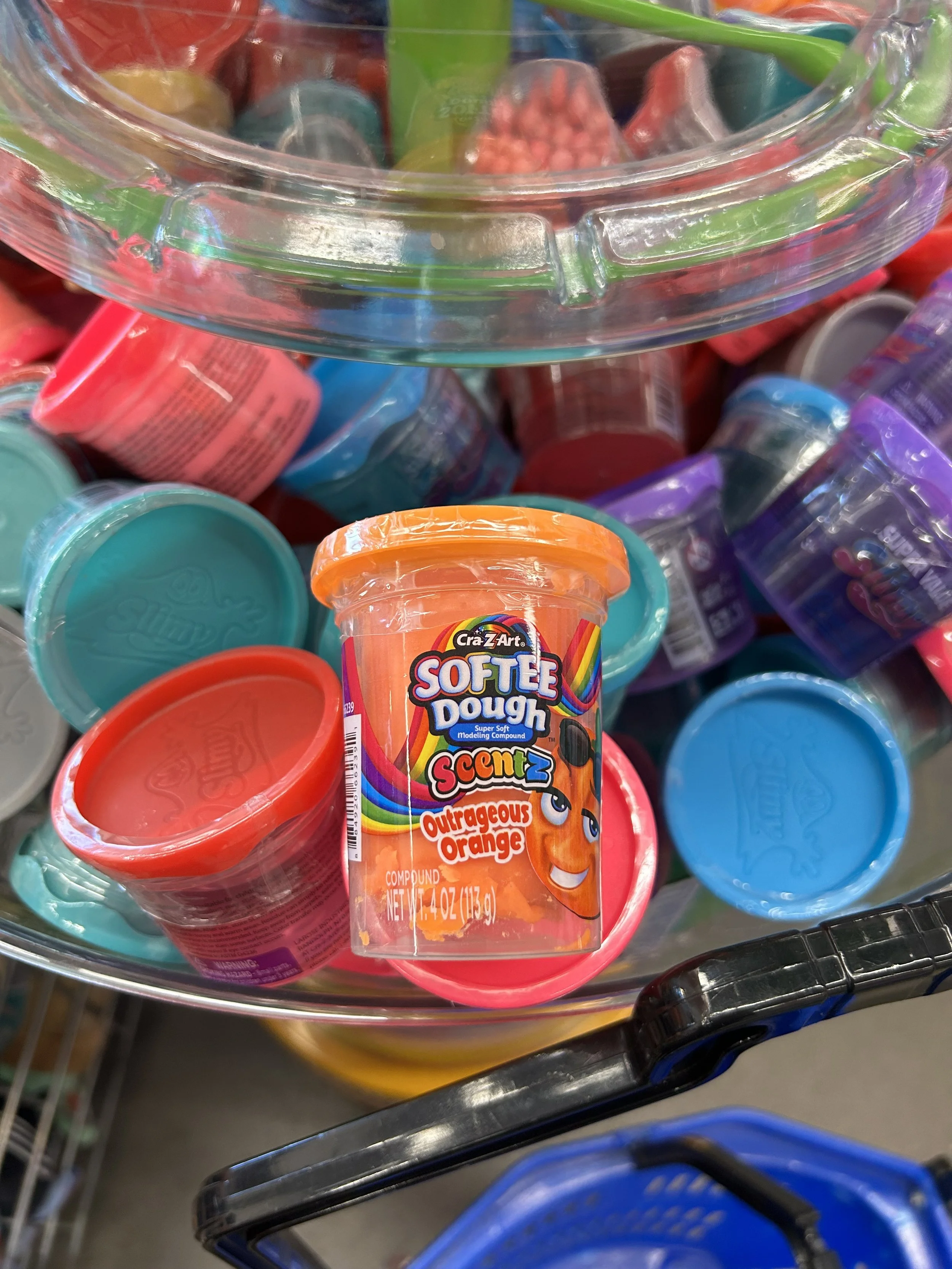
I’ve been wanting to use pom-poms as an off-bench activity for a while now — and finally did it!
We’ve been experimenting with touching a pom-pom using the fingertip, and picking them up using “doughnut” shapes:
🎯 1 and 3 together,
🎯 1 and 2,
(And yes, they want to try 1–4 and 1–5, but those happen less often — for obvious reasons!)
If you use My First Piano Adventures, this will sound familiar.