Sale Price:
$5.99
Original Price:
$8.99
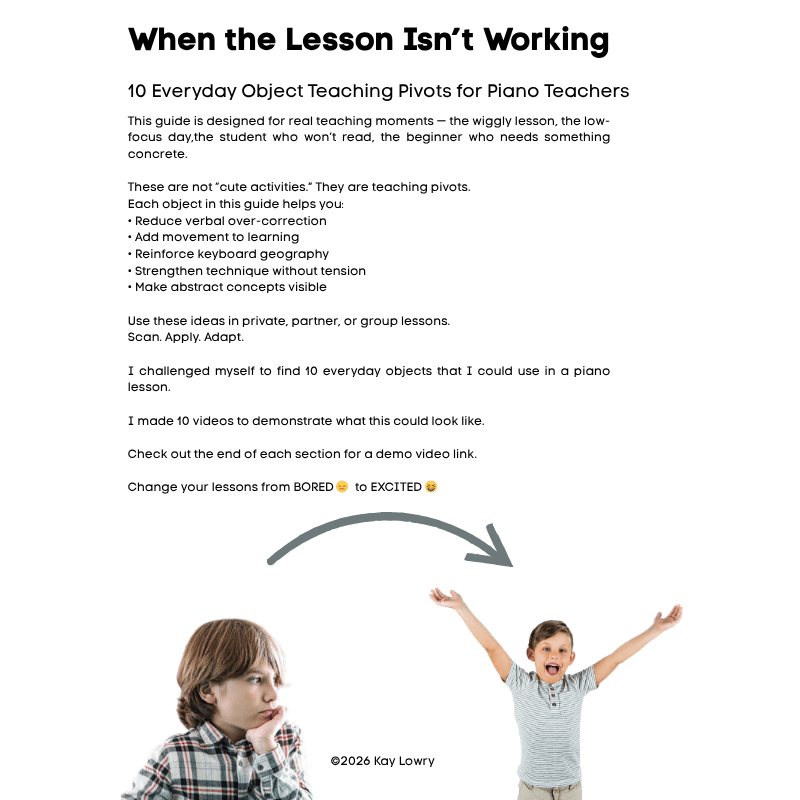
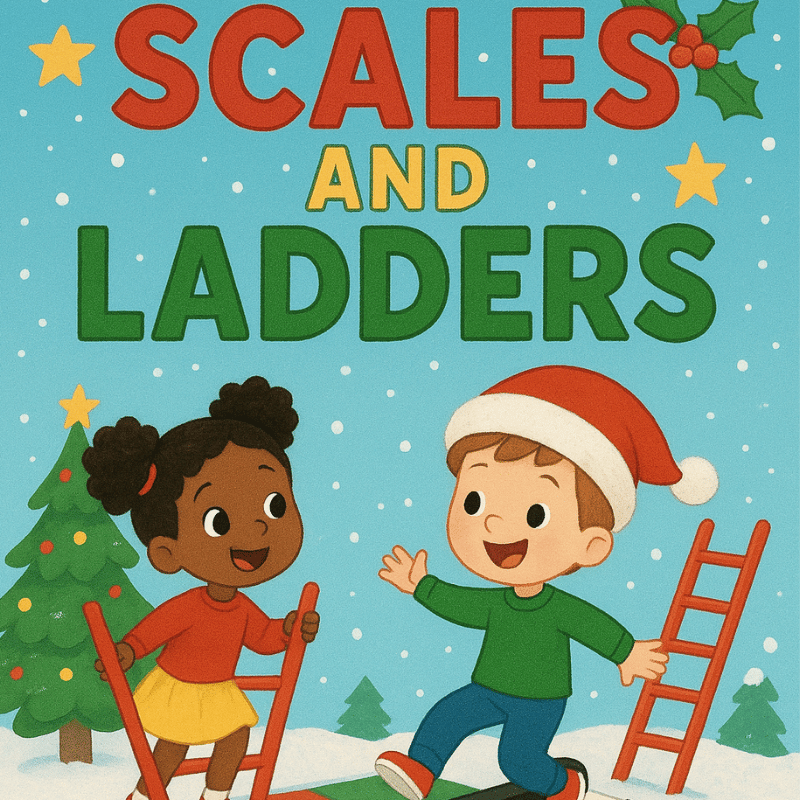
These piano games for beginners help young students learn through movement, play, and simple hands-on activities.
Learning piano starts with understanding the keyboard—but for many young students, piano keys can feel confusing or abstract.
These 10 piano key games for beginners help students move from simply recognizing white keys to confidently using them through play, movement, and creativity.
Designed for real teaching situations, these activities work beautifully when:
students are mixing up note names
attention is low (hello, wiggly 5-year-olds 👀)
you need a low-prep lesson that still feels meaningful
or you want to go beyond worksheets into real musical understanding
🎯 Who is this for?
Piano teachers working with young beginners (ages 4–9)
Students learning white keys, note names, and keyboard patterns
Teachers who want simple, no-prep lesson ideas that actually work
Studios that value hands-on, creative learning
🎲 What’s inside:
10 engaging piano key games
Activities using everyday materials (or none at all)
Flexible ideas for private lessons, partner lessons, or small groups
Easy-to-follow instructions you can use right away
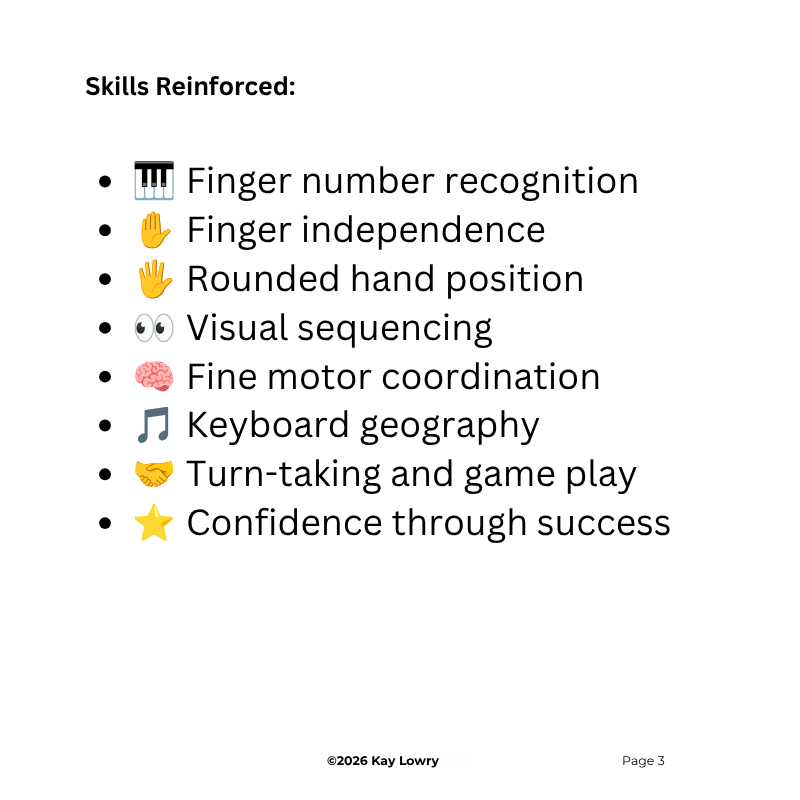
🎵 Skills this resource develops:
Piano key recognition
Note naming (A–G)
Keyboard geography and patterns
Listening and ear training
Early composing and improvisation
💡 Why teachers love these games:
These aren’t just “filler” activities.
Each game is designed to:
reinforce concepts in a hands-on, memorable way
support students who need extra time before reading on the staff
keep young beginners engaged and confident
give you go-to ideas for no-practice or low-focus lessons
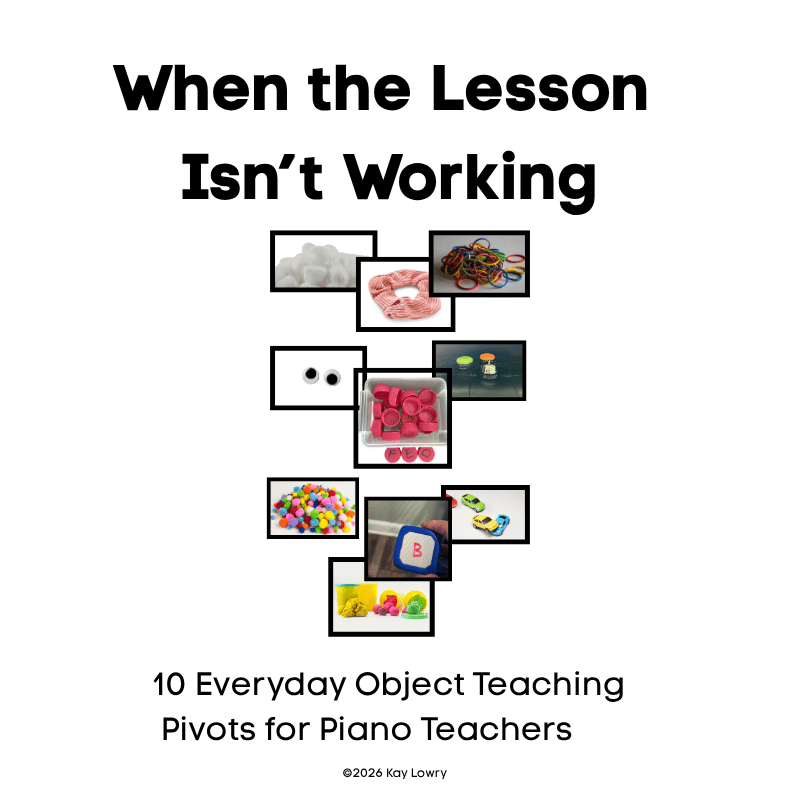
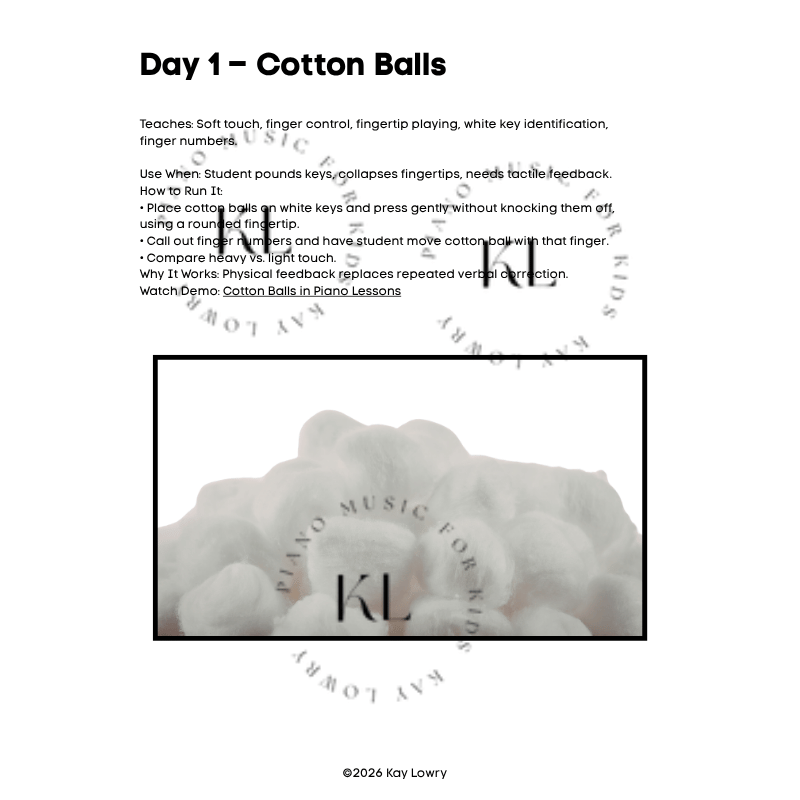
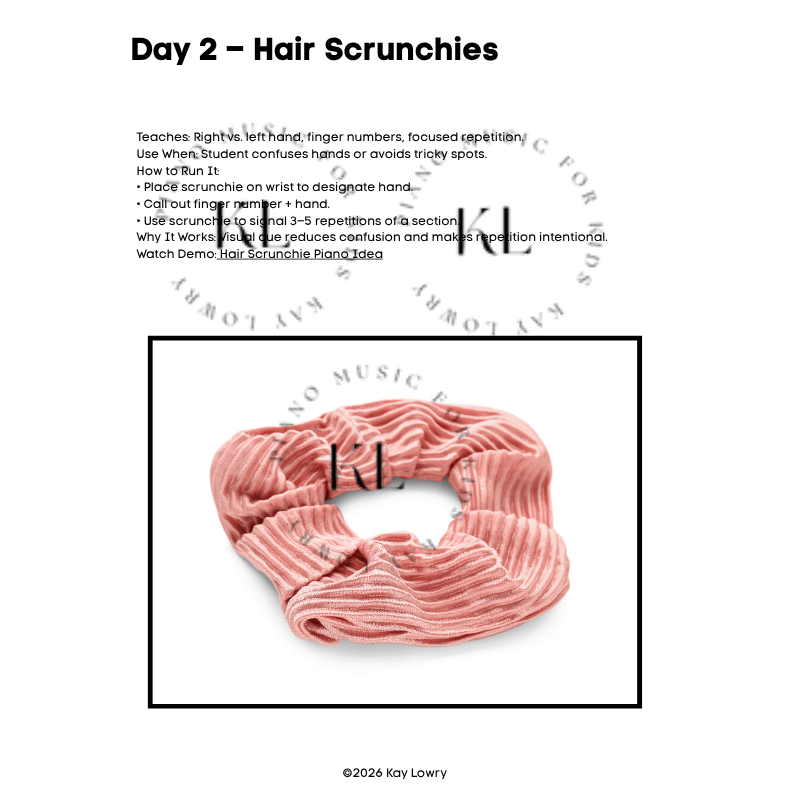
Best of all - these games use normal HOUSEHOLD objects that you probably already have, such as:
sidewalk chalk
paper clips
index cards
clothespins
and more!
✨ A quick note:
These activities are intentionally simple—so you can adapt them to your teaching style and your students.
No fancy prep. No extra purchases.
Just effective teaching through play.
❓ FAQ
What age group is this best for?
This resource is ideal for ages 4–9, especially beginners who are just learning piano keys and note names.
Do I need special materials?
No. Most games use everyday items like popsicle sticks, dice, or small objects you already have in your studio.
Can I use this in group lessons?
Yes! These games work well in private lessons, partner lessons, and small groups.
Is this a printable resource?
Yes. You’ll receive a digital download with instructions for each game.
Does this teach note reading on the staff?
This resource focuses on keyboard understanding first—helping students build confidence with piano keys before (or alongside) reading music.
How is this different from worksheets?
Worksheets help with recognition.
These games help students experience and apply what they’re learning—through movement, listening, and creativity.
These piano games for beginners help young students learn through movement, play, and simple hands-on activities.
Learning piano starts with understanding the keyboard—but for many young students, piano keys can feel confusing or abstract.
These 10 piano key games for beginners help students move from simply recognizing white keys to confidently using them through play, movement, and creativity.
Designed for real teaching situations, these activities work beautifully when:
students are mixing up note names
attention is low (hello, wiggly 5-year-olds 👀)
you need a low-prep lesson that still feels meaningful
or you want to go beyond worksheets into real musical understanding
🎯 Who is this for?
Piano teachers working with young beginners (ages 4–9)
Students learning white keys, note names, and keyboard patterns
Teachers who want simple, no-prep lesson ideas that actually work
Studios that value hands-on, creative learning
🎲 What’s inside:
10 engaging piano key games
Activities using everyday materials (or none at all)
Flexible ideas for private lessons, partner lessons, or small groups
Easy-to-follow instructions you can use right away
🎵 Skills this resource develops:
Piano key recognition
Note naming (A–G)
Keyboard geography and patterns
Listening and ear training
Early composing and improvisation
💡 Why teachers love these games:
These aren’t just “filler” activities.
Each game is designed to:
reinforce concepts in a hands-on, memorable way
support students who need extra time before reading on the staff
keep young beginners engaged and confident
give you go-to ideas for no-practice or low-focus lessons
Best of all - these games use normal HOUSEHOLD objects that you probably already have, such as:
sidewalk chalk
paper clips
index cards
clothespins
and more!
✨ A quick note:
These activities are intentionally simple—so you can adapt them to your teaching style and your students.
No fancy prep. No extra purchases.
Just effective teaching through play.
❓ FAQ
What age group is this best for?
This resource is ideal for ages 4–9, especially beginners who are just learning piano keys and note names.
Do I need special materials?
No. Most games use everyday items like popsicle sticks, dice, or small objects you already have in your studio.
Can I use this in group lessons?
Yes! These games work well in private lessons, partner lessons, and small groups.
Is this a printable resource?
Yes. You’ll receive a digital download with instructions for each game.
Does this teach note reading on the staff?
This resource focuses on keyboard understanding first—helping students build confidence with piano keys before (or alongside) reading music.
How is this different from worksheets?
Worksheets help with recognition.
These games help students experience and apply what they’re learning—through movement, listening, and creativity.
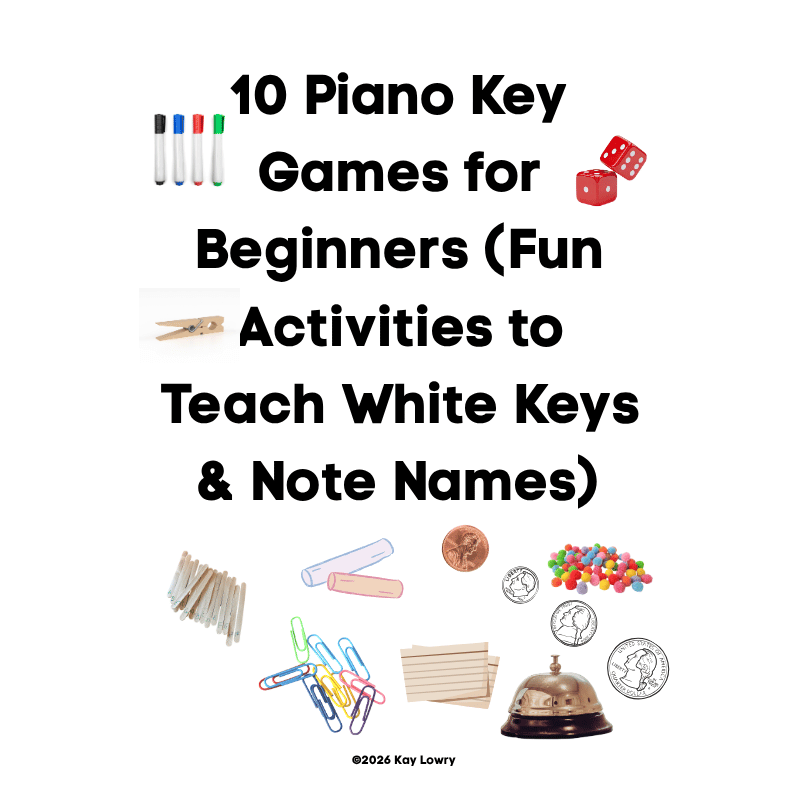 Image 1 of 4
 Image 2 of 4
 Image 3 of 4
 Image 4 of 4