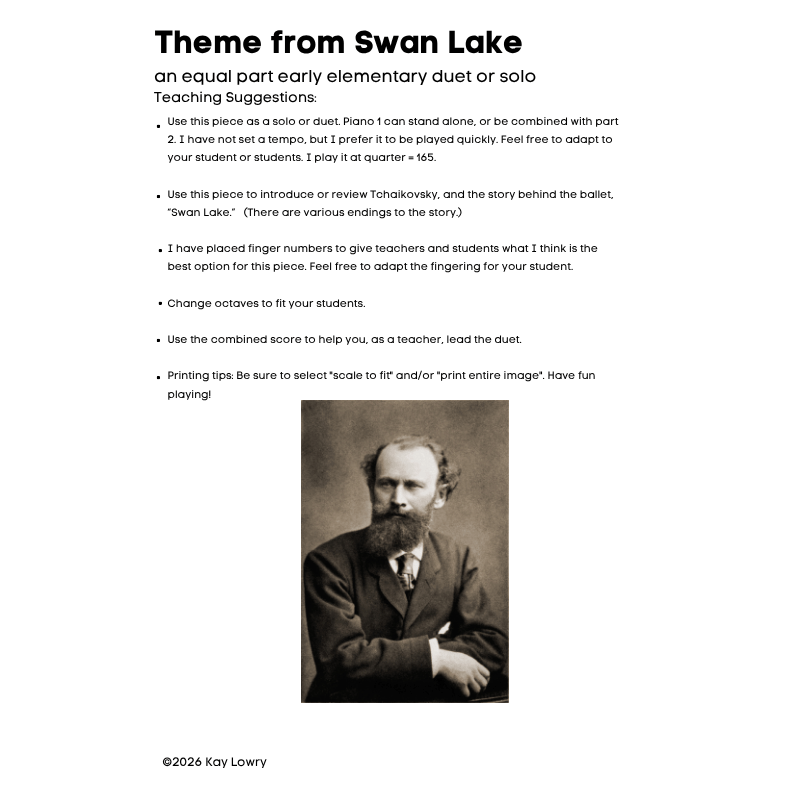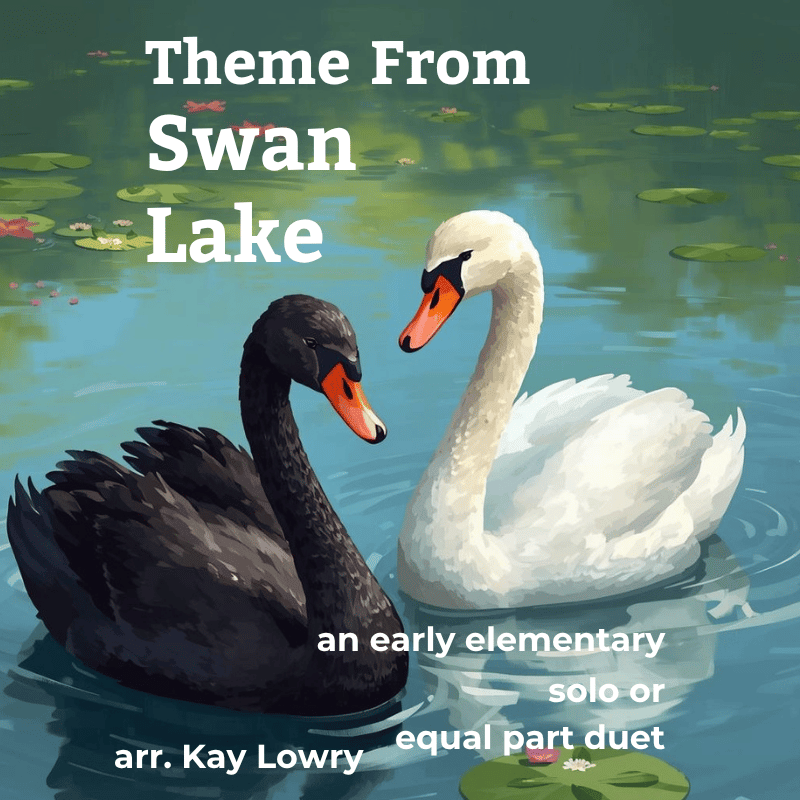
Looking for easy Swan Lake piano sheet music for beginners that actually works for early elementary students?
There’s something magical about introducing your students to classical music they recognize—and Swan Lake is one they instantly connect with.
But most arrangements are too advanced… or just don’t sit well under small hands.
This version is different.
It’s designed specifically for early elementary students who are still building confidence reading on the staff—while giving them a rich, musical experience right away.
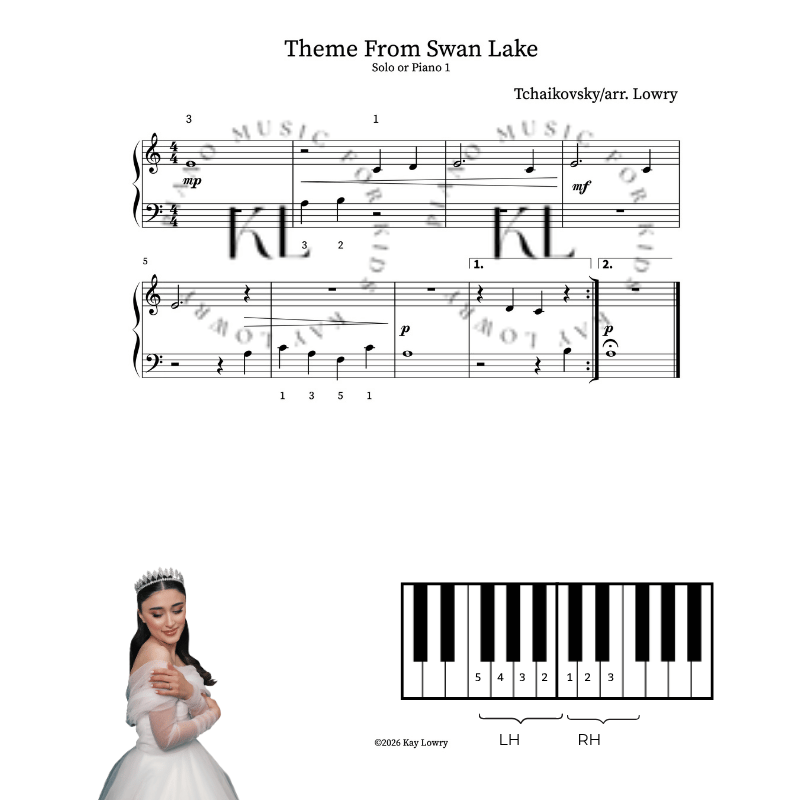
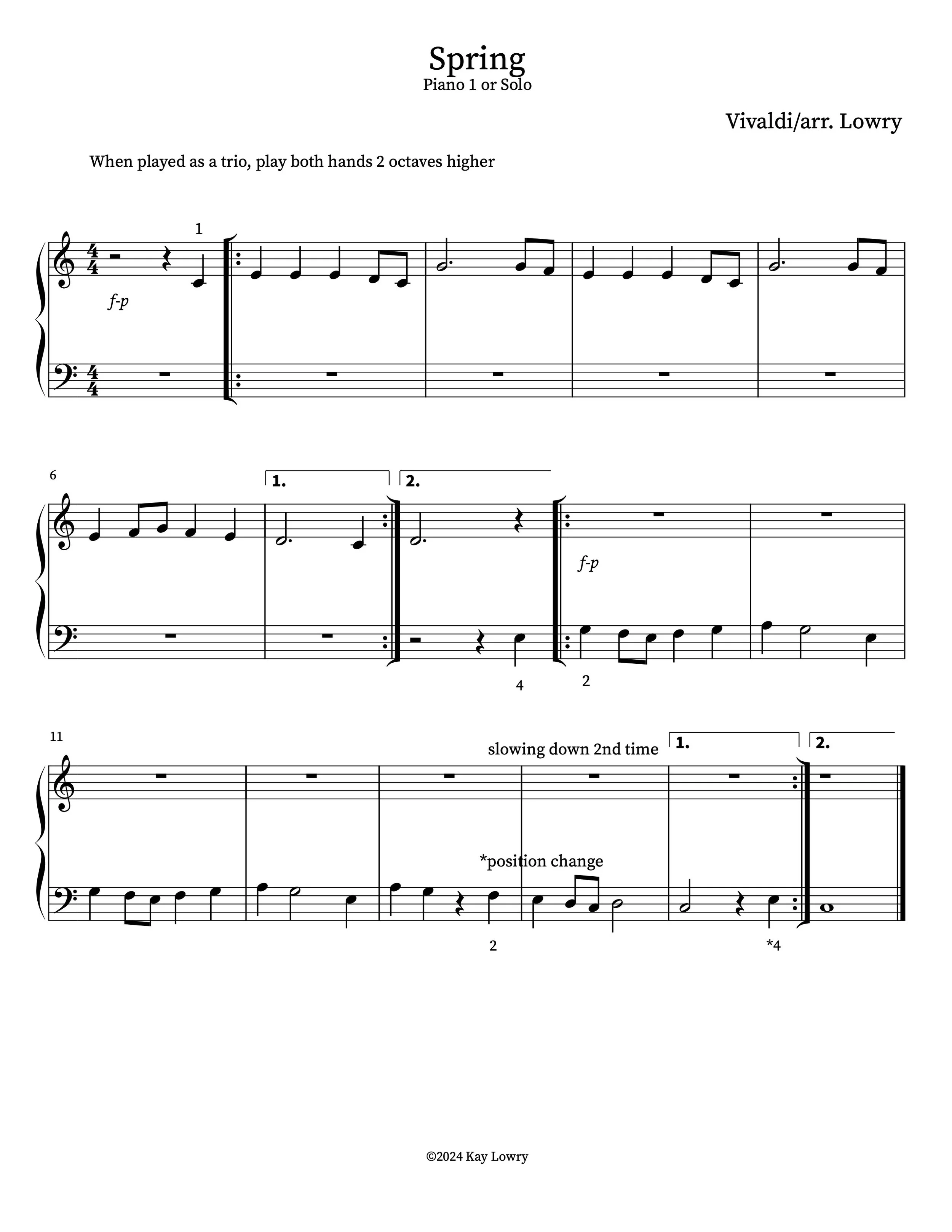
Middle C position for both hands
Only 6 notes to read on the staff
Simple rhythms (quarter, half, whole notes)
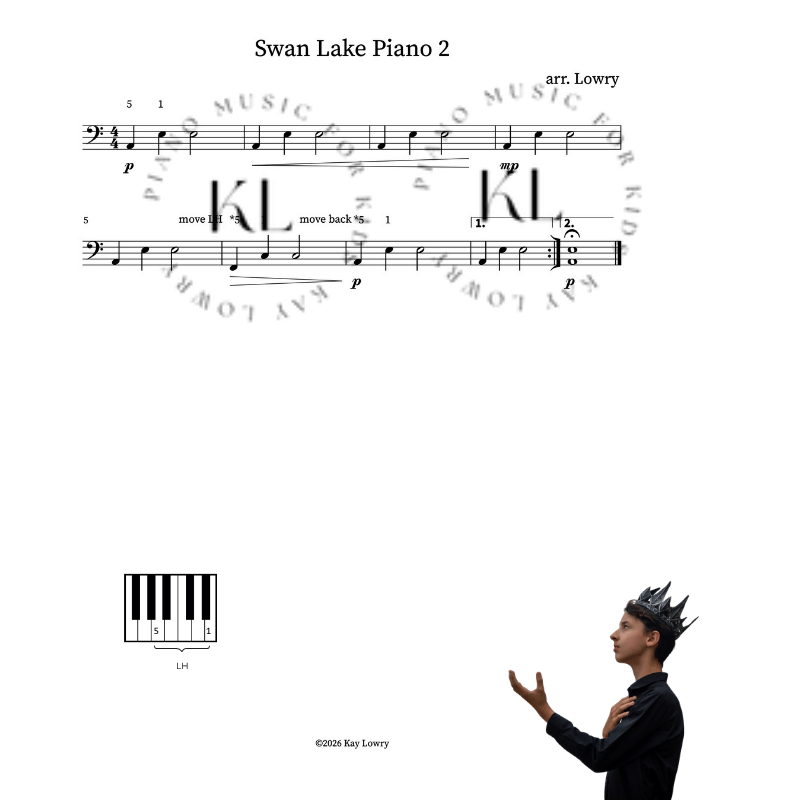
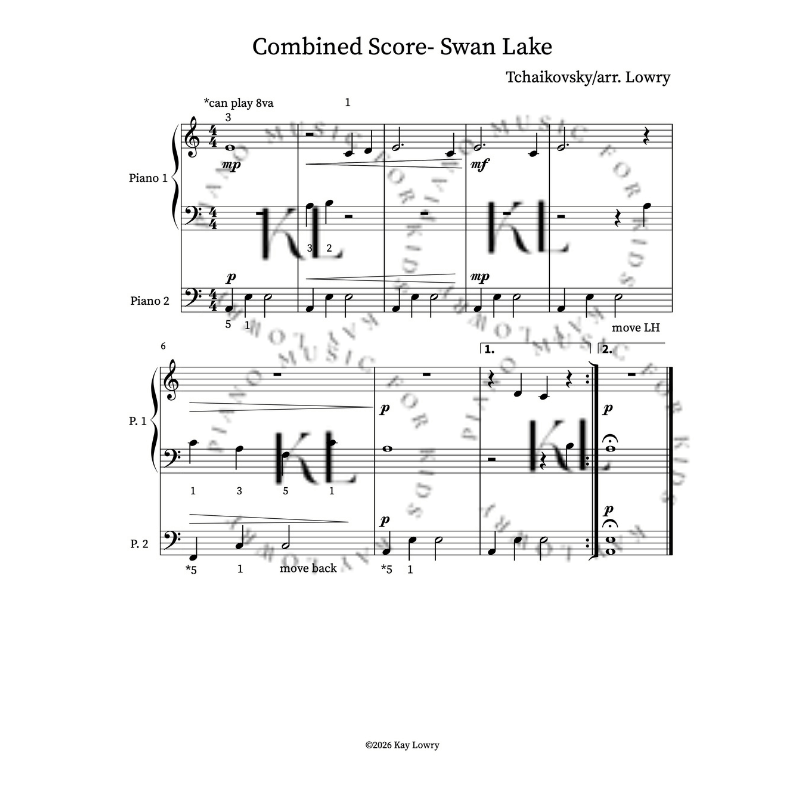
Equal part duet – both players feel successful
Optional solo version included
Bass clef patterns that are easy to learn and repeat
Includes a first and second ending for musical form
🎵 Why Teachers Love It
You get the best of both worlds:
✔ A famous classical theme students recognize
✔ A level that actually matches beginner ability
And because it works as both a solo and duet, you can:
Use it in private lessons
Pair students together
Play alongside your student for support
Feature it in recitals with confidence
💡 Teaching Tip
Have your student play Part 1 while you model Part 2 first—then switch.
The repeated patterns in the duet help reinforce steady beat and listening skills without overwhelming them.
🟩 Frequently Asked Questions
Frequently Asked Questions (FAQ)
What level is this Swan Lake arrangement?
This piece is designed for early elementary piano students using middle C position and limited notes on the staff.
Can this be played as a solo?
Yes! It includes both a solo version and an equal part duet.
What rhythms are used in this piece?
Only quarter notes, half notes, and whole notes—perfect for beginners.
Is this good for recitals?
Absolutely. The recognizable melody and duet option make it a strong recital piece for young students.
Does this help with reading music?
Yes—students read only 6 notes on the staff, making it ideal for reinforcing early reading skills without overload.
Looking for easy Swan Lake piano sheet music for beginners that actually works for early elementary students?
There’s something magical about introducing your students to classical music they recognize—and Swan Lake is one they instantly connect with.
But most arrangements are too advanced… or just don’t sit well under small hands.
This version is different.
It’s designed specifically for early elementary students who are still building confidence reading on the staff—while giving them a rich, musical experience right away.
Middle C position for both hands
Only 6 notes to read on the staff
Simple rhythms (quarter, half, whole notes)
Equal part duet – both players feel successful
Optional solo version included
Bass clef patterns that are easy to learn and repeat
Includes a first and second ending for musical form
🎵 Why Teachers Love It
You get the best of both worlds:
✔ A famous classical theme students recognize
✔ A level that actually matches beginner ability
And because it works as both a solo and duet, you can:
Use it in private lessons
Pair students together
Play alongside your student for support
Feature it in recitals with confidence
💡 Teaching Tip
Have your student play Part 1 while you model Part 2 first—then switch.
The repeated patterns in the duet help reinforce steady beat and listening skills without overwhelming them.
🟩 Frequently Asked Questions
Frequently Asked Questions (FAQ)
What level is this Swan Lake arrangement?
This piece is designed for early elementary piano students using middle C position and limited notes on the staff.
Can this be played as a solo?
Yes! It includes both a solo version and an equal part duet.
What rhythms are used in this piece?
Only quarter notes, half notes, and whole notes—perfect for beginners.
Is this good for recitals?
Absolutely. The recognizable melody and duet option make it a strong recital piece for young students.
Does this help with reading music?
Yes—students read only 6 notes on the staff, making it ideal for reinforcing early reading skills without overload.