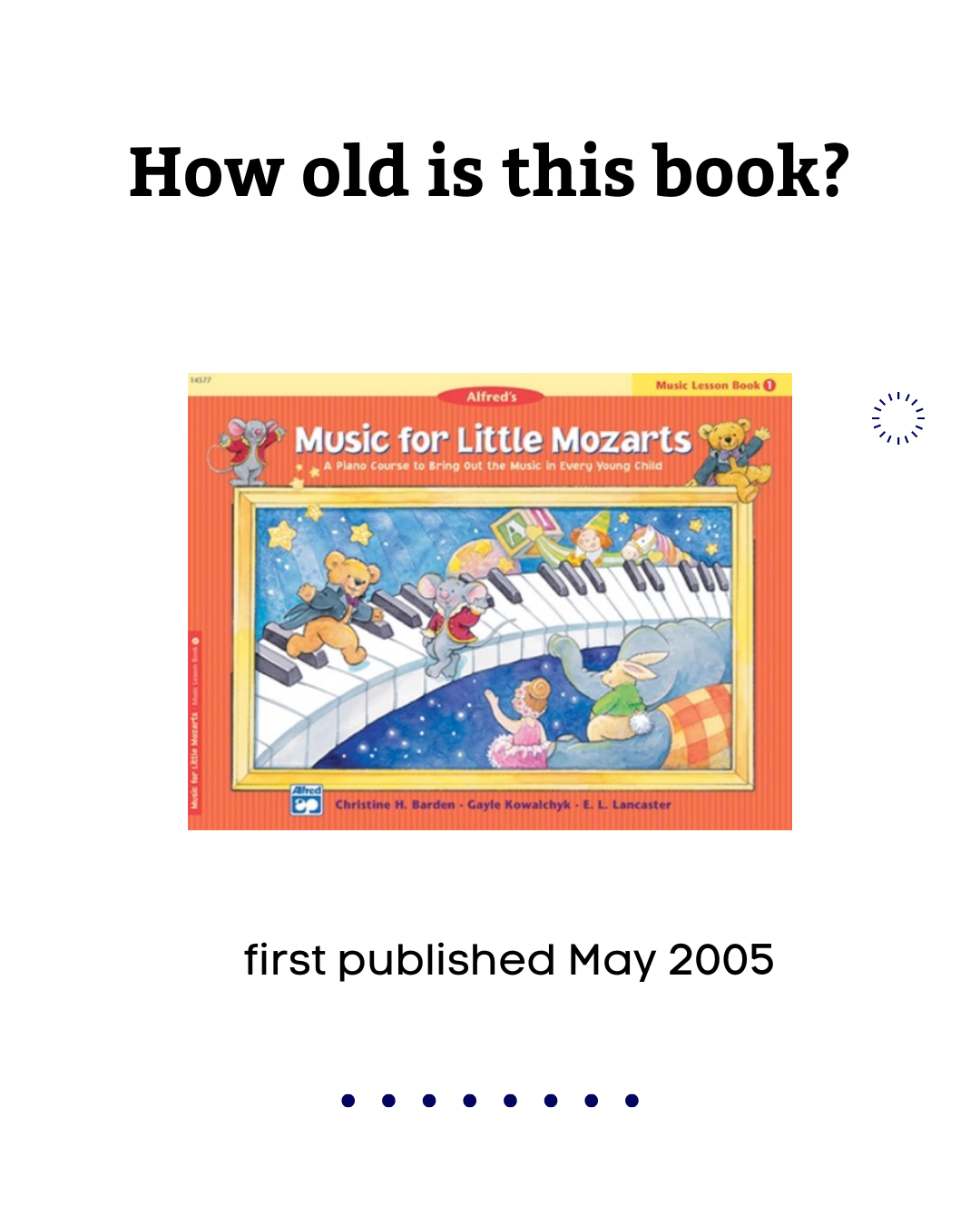
The Good and the Bad of Preschool Piano Books
Check out my opinions on this very popular, but dated, curriculum for young piano students.
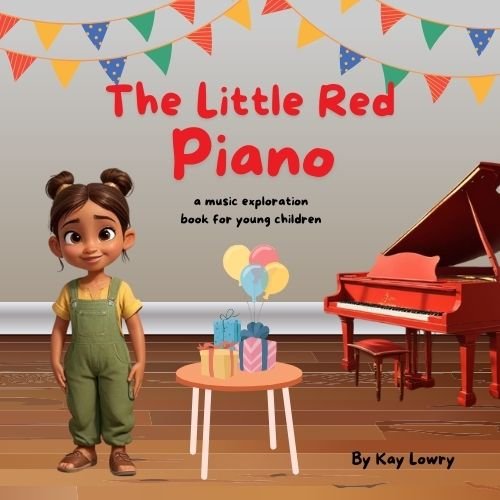
How I Started Teaching Piano to Preschool Children
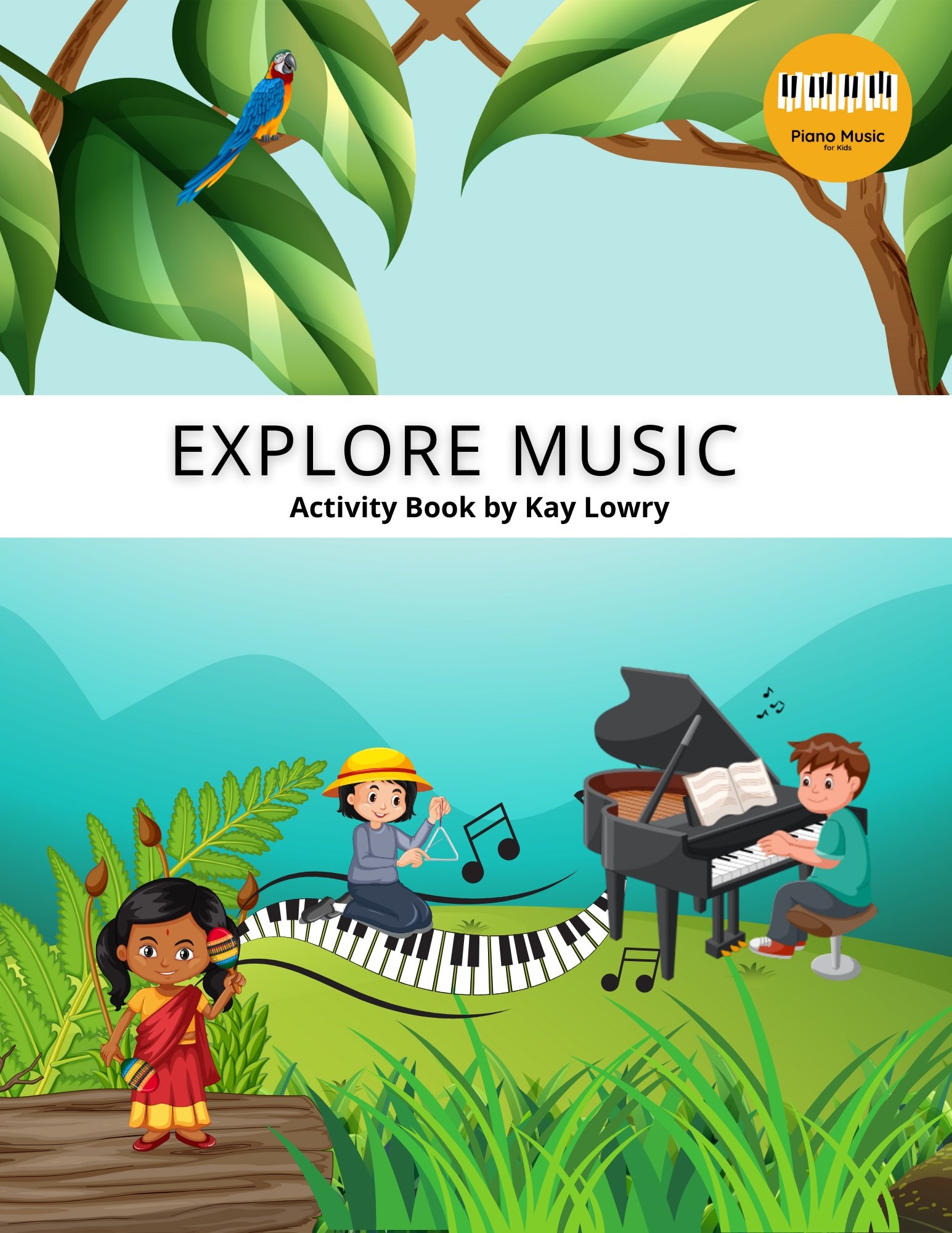
Finally, a music exploration book for young kids!
Research shows that music is beneficial for the developing brain. Music helps children with: motor development, social skills, speech, language, memory, confidence, and creativity.
Piano teachers can use this book with young students to give them a foundation for musical studies. Using this tool is a wonderful way to give kids a fun and accessible entry into music.
Special needs students can also benefit from this book. Children like the way the concepts are broken down into steps they can achieve
Benefits of Taking Piano Lessons for Kids
Giving kids the gift of music is a wonderful goal! Teaching children to grasp and value music can be challenging, yet achievable and immensely rewarding!
I provide resources to help parents and teachers have EASY and FUN ways to help kids in their musical journey. Unlocking the joy of music for young minds has never been more delightful! With this engaging workbook, the child will embark on a journey of discovery, making learning an experience they will enjoy.
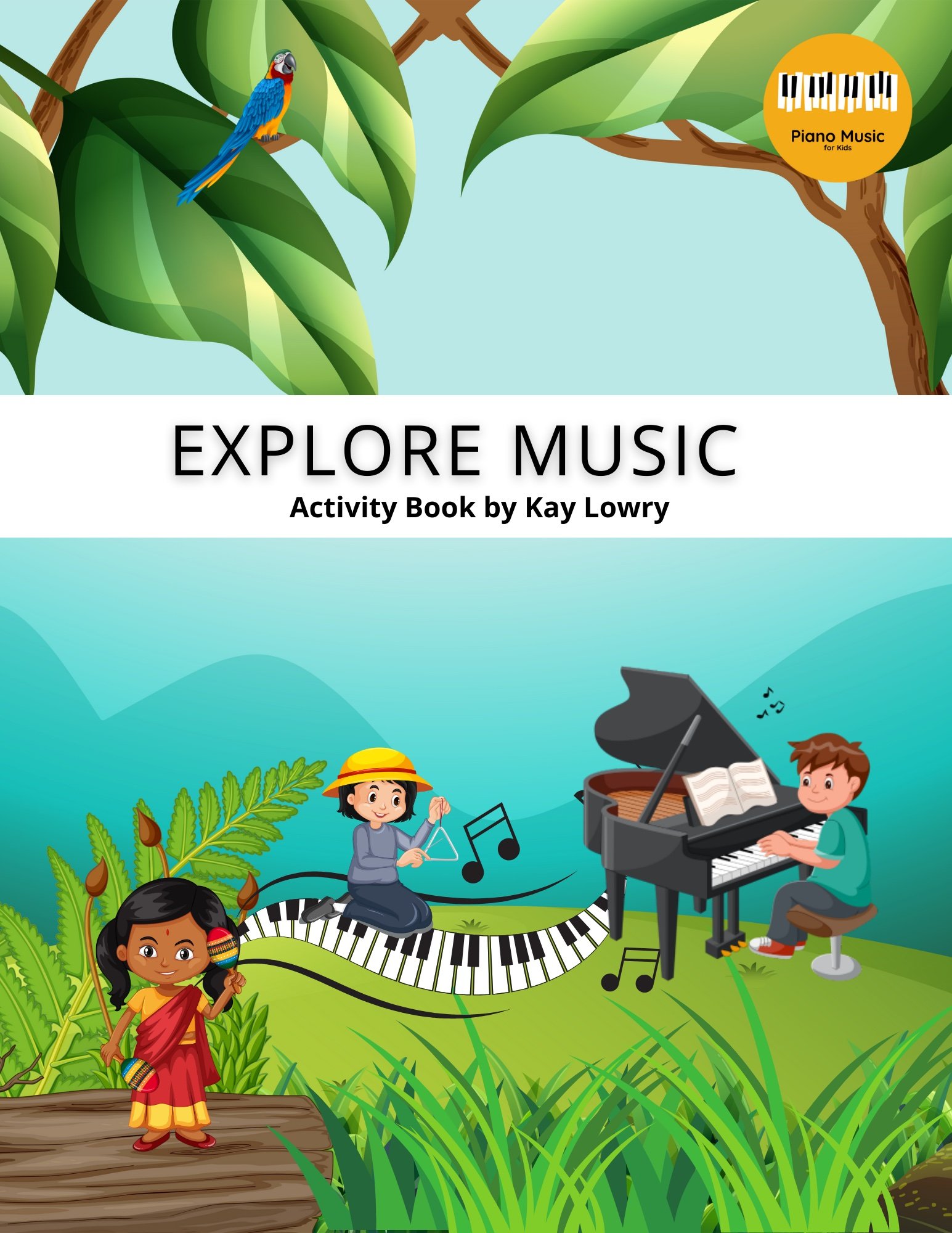
This book contains captivatingly cute lessons that young kids love! Engaging exercises and activities are included and the pages are beautifully illustrated. Containing clear and concise instructions, “Explore Music” is designed for young learners aged 4-7.
A Love for Color - My Synesthesia > Music
I just thought I was weird. (which I now know is a common trait for creative, musical people!)
My synesthesia comes and goes. I hope that as I pay more attention to it - I experience it more often.
Here's how it works for me: when I play or hear a certain key, I get an "impression" of a certain color. I have talked to many people about this and done some research. Apparently, different people have different color associations than I do. That's okay. Some people have different forms of synesthesia - it can be associated with any two forms of perceptions.
What you need to know about kids who have GAPS
Gaps show up in piano lessons all the time.
Here are some examples of places gaps can arise: 1) notation. Notation is an abstract representation of sound. Kids are literal.
2) rhythm. Some kids just don't have rhythm experience in their bodies, which leads to difficulty in counting and playing.
3) technique. Playing the piano with proper technique is a foreign feeling.
4) listening. Some students have difficulty hearing and discriminating pitches, rhythms, timbre, or form
What you need to know - Kids have GAPS in piano learning
Gaps show up in piano lessons all the time.
Here are some examples of places gaps can arise: 1) notation. Notation is an abstract representation of sound. Kids are literal.
2) rhythm. Some kids just don't have rhythm experience in their bodies, which leads to difficulty in counting and playing.
3) technique. Playing the piano with proper technique is a foreign feeling.
4) listening. Some students have difficulty hearing and discriminating pitches, rhythms, timbre, or form
New Preschool Piano Book Coming Soon!
In a previous post - I shared how I went from playing on a toy piano, to becoming a piano teacher.
My heart is for the kids that are young, have special needs, or just need to fill in the gaps. Most books go too quickly for young kids, and they are not suited for them. I want a book that will meet kids where they are at!
I am writing and beta testing a method book that will be NOTHING like anything you have seen. Yet, the format will be such that you can pick it up, and without much trouble at all, just open it and TEACH. And, it won't be expensive. And, it won't be hidden behind a paywall or subscription service. Your hard-earned money is just that; I feel the same about my dollars.
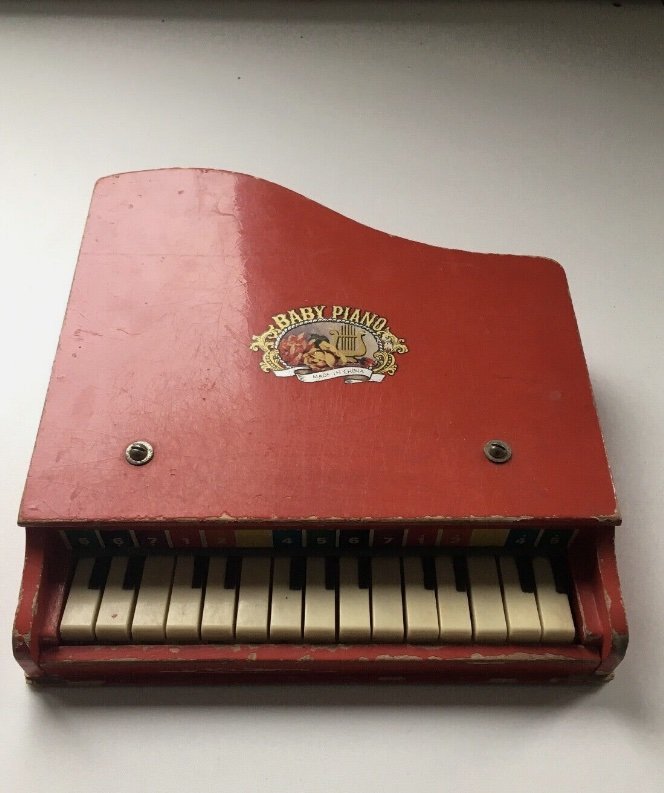
It all started with a little red toy piano.
I was three years old. I received a red toy piano for my birthday.
I can't describe how fascinated I was with this little instrument. It was as if this toy was calling to me.
I really wanted a teacher. Of course, being a child in the 1960s (oops - now you can guess how old I really am!) meant that no one would take on a child that young.
On top of that, my dad was in the military - and overseas in the Vietnam War. Not a good time. My parents were not particularly musical. They were very PRACTICAL. Being in the military meant moving around. Pianos were big and heavy at that time.
5 Piano Teachers You Need to Know!
3 Top Time Savers for Piano Teachers
Time wasters for teachers….
This week, I broke my own rule!
Explore Music - an activity book for kids

Spring Fever - Is There a Cure?
Spring Fever is a real thing. (At the time of this writing, it's spring in Oklahoma. In the US, that means end-of-school is near!)
There is no pill or vaccine that will help. Only one thing I have found that relieves the symptoms -
No-Pressure Fun!
End-of-school-year BURNOUT
End-of-school-year burnout.
Kids are DONE. Truth be told, I kinda feel the same.
What to do during lessons, when we all have what used to be called "spring fever"? (More on that, later.)
Here's a roundup of resources that I have used in the past. The purpose of these activities is to have fun, and still learn something!
When a girl froze in a recital…..
What to do when a jr. high girl FREEZES in a recital, and can't even remember where to put her hands?
Yup, this happened to me.
In 2003, this horrifying thing happened to one of my students. If she were 5 or 6, maybe I could have gone to the stage to help her. As it was - she was 13 going on 16, and she just left the stage, humiliated.
That's when I promised myself I would do my best to NEVER let that happen again. I developed a system of preparing students for memorized performances that has not failed (as long as they apply themselves to the process.)
Music History Made Easy!
Read on for an excellent course that makes music history fun for kids!
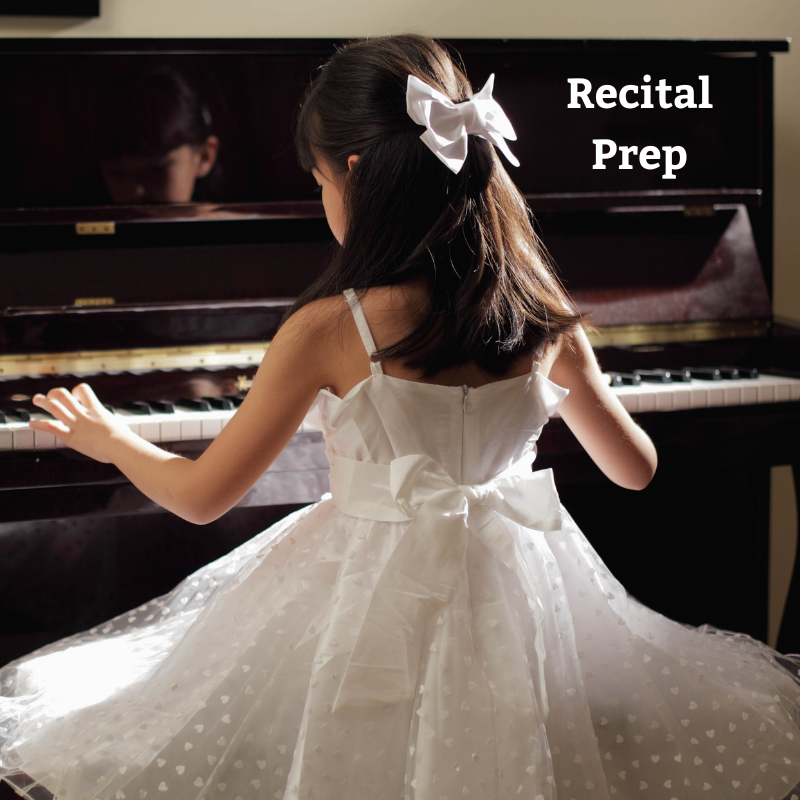
Why do we require piano students to memorize?
Learn how we got started on memorizing piano pieces, and what we as teachers can do to help.

Spring Fever - what is it and do you have it?
After Easter - THEN WHAT?
It's a holiday let-down, that's what! I refuse to stop the fun. But let's get real: in the US - we are heading towards the end of the school term. BURNOUT is all around us. What to do? Going back to my childhood, grown-ups always talked about kids getting "Spring Fever". It's not a real illness. It's a term that describes that feeling of burnout, being antsy, and really wanting a break. I captured this feeling for my students with the MODERN song, "Spring Fever" - which features an ultra-cool backing track. Can you believe my students ask for this song, year after year? Because it's written in two levels, I can accomodate that request a few times. Here's the low-down on Spring Fever:
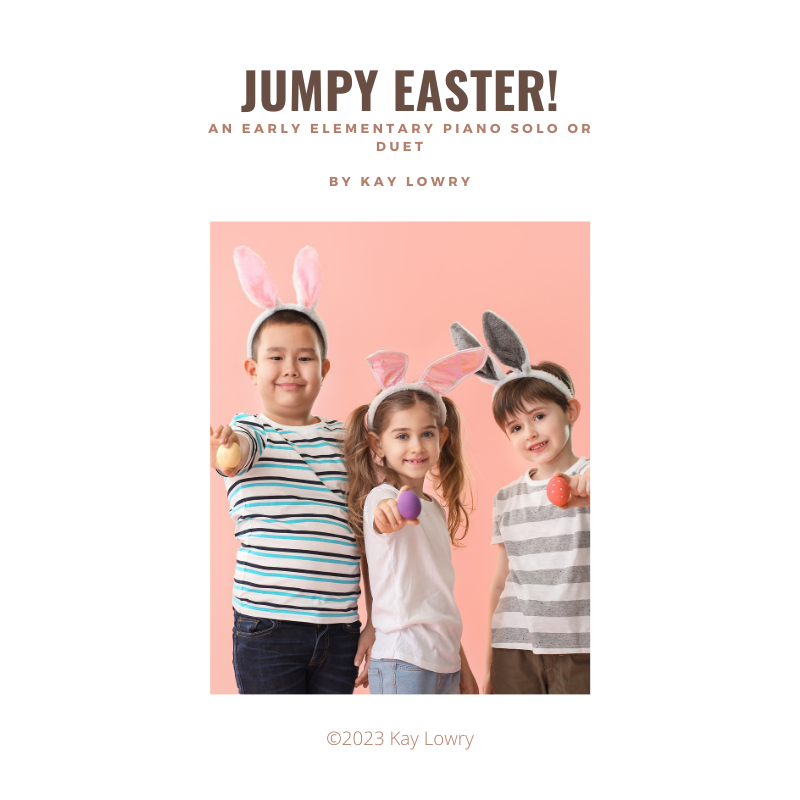
Easter Fun - Kids are Jumpy, Antsy, and Hyper!
I don't usually write about spring flowers, Easter bunnies, or mild topics when it comes to kids.
I like to write about what kids are thinking about - like CANDY and having FUN!