🎹 Little Fingers Jingle Bells: A Christmas Duet for Preschool Piano Students
When preschoolers play Jingle Bells — and stay engaged the whole time 🎶
If you’ve ever tried to teach Jingle Bells to a preschooler, you know how quickly things can fall apart.
Little fingers wander, attention drifts, and suddenly your adorable holiday moment turns into… chaos with sleigh bells.
That’s why I created Little Fingers Jingle Bells — a simple call-and-response duet designed just for preschoolers. It turns one of the most beloved Christmas songs into a joyful back-and-forth between teacher and student.

🎹 How to Teach Half Notes: A Simple Rhythm Fix That Actually Works
It happens to the best of us.
That student who forgets to hold the half note for two full beats.
You remind them. You count with them. You even say, “Remember, the half note gets two beats!”
…and still, the moment they start playing, poof — the second beat disappears.
If this sounds familiar, you’re not alone. Teaching rhythm to beginners can feel like you’re saying the same thing on repeat. But sometimes, the fix isn’t in more words — it’s in how we help them feel the beat.
🎹 How to Teach Piano Keys to Young Beginners (Ages 4–7)
If you’ve ever felt overwhelmed trying to find the perfect piano lesson ideas for young beginners, you are not alone. Teaching piano to 4–7 year olds can be joyful, imaginative, and yes—sometimes a little chaotic!
I’m Kay from PianoMusicForKids.com, and today I want to share a simple, creative way to teach your students the white keys on the piano. This approach blends movement, sound, and imagination, helping your youngest students explore music with their whole being.
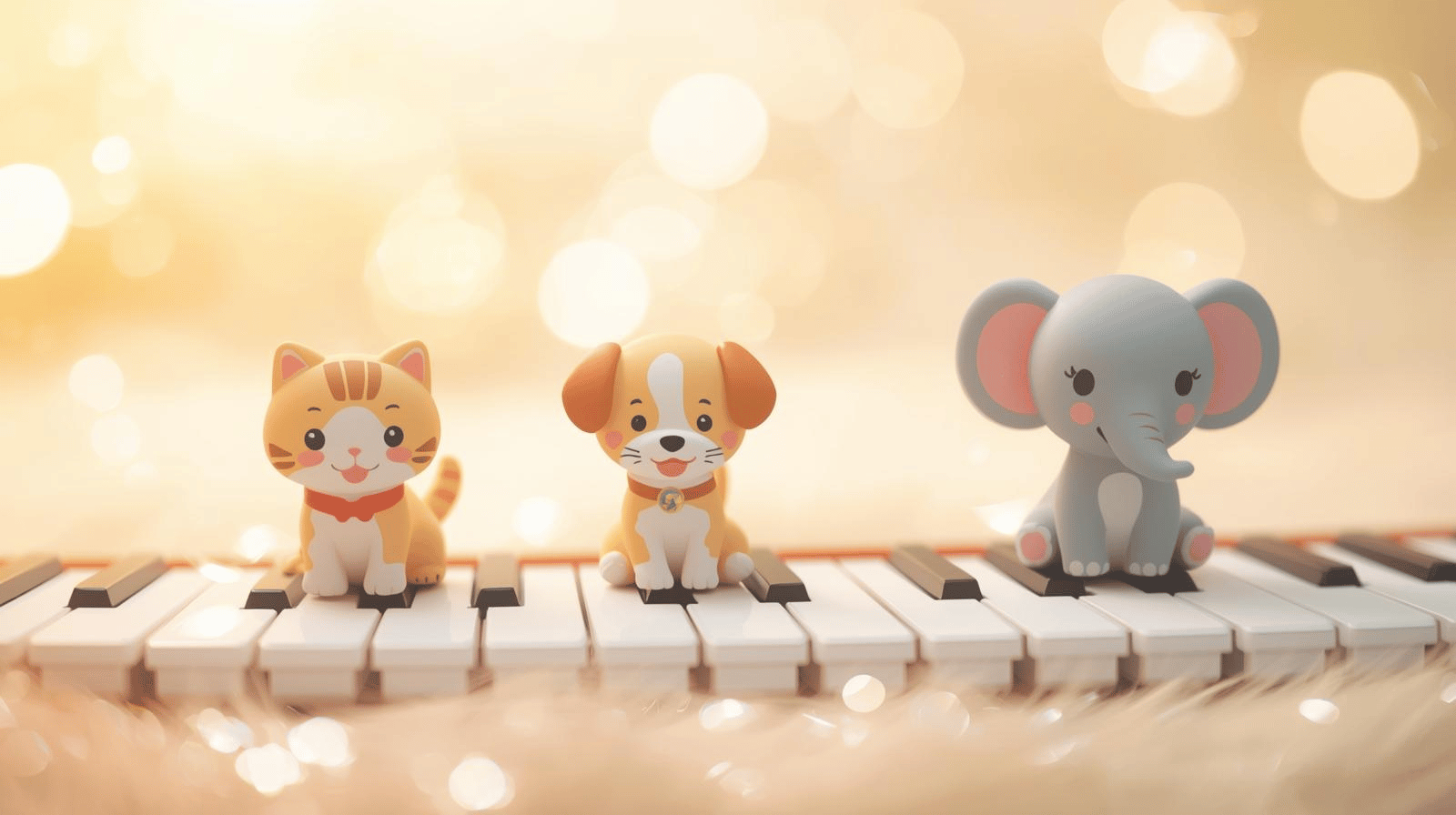
Meet the Cat, Dog, and Elephant: A Story to Teach the Piano Keys
Teaching little ones to find their way around the piano keys becomes pure magic with this “Music Street” story—an imaginative way to help kids remember where C, D, and E live on the keyboard.
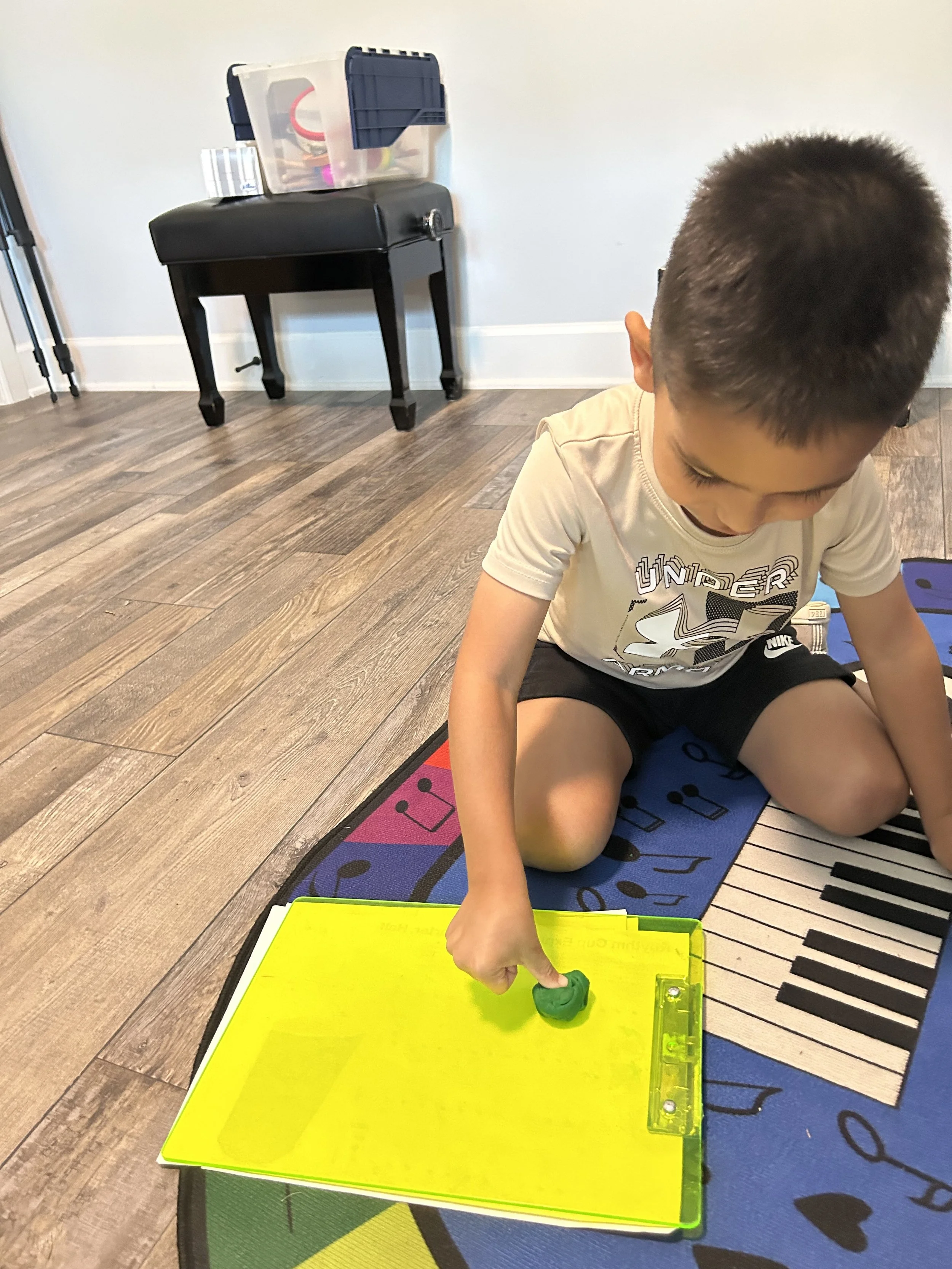
One Morning I Woke Up and Wrote Down Everything I Know About Teaching Beginners
If you’ve ever wondered how to teach a piano lesson to a 4-year-old without feeling scattered or overwhelmed, The Piano Expedition gives you a clear, creative roadmap to guide your youngest students with confidence.

🎹 When Overwhelm Meets Purpose: Reclaiming the Heart of Beginner Piano Teaching
🧭 A Clear Path for Every Age and Stage
Whether you’re wondering how to teach piano to a 4-year-old, or what kinds of activities actually work for a 5-year-old beginner, you’ll find answers inside The Piano Expedition.
Each monthly framework includes:
🎵 Age-specific lesson plans — Know exactly what to teach and when.
🎨 Creative off-bench activities — Movement, games, and manipulatives that make learning stick.
🎒 Flexible pacing guides — So you can adjust for every student’s needs.
You’ll know how to guide a 4-year-old through rhythm play and finger numbers… how to help a 5-year-old connect patterns on the keys to notation… and how to keep early learners engaged without burnout.

Stop Burning Out: How to Teach Piano with More Energy and Less Stress
As piano teachers, we’ve all been there—facing the overwhelming task of planning yet another lesson, trying to stay creative, and wishing there was a magic solution to make it all easier. Some days, the only thing getting us through is that extra cup of coffee ☕. But let’s be real—coffee isn’t enough to sustain us for an entire semester of teaching.
What we really need is a system—a flexible framework that takes the pressure off and keeps our teaching fresh and inspiring.
This is where The Piano Expedition comes in.

🎹 Teaching Kids That Music Moves in Directions
One of my favorite moments in a beginner piano lesson is watching a child’s face light up when they realize: music doesn’t just sit still—it moves.
In this activity from The Little Red Piano, my student explored the keyboard by playing all the white notes while we chanted a simple rote song together. Nothing fancy. No sheet music. Just sound, movement, and discovery.

Preschool Rhythm Activities: Long & Short Sounds with Xylophone 🎶
One of the best ways to teach preschoolers rhythm is through movement, sound, and play. Instead of drilling note values or clapping patterns, we can give young learners something they feel and experience—and that’s where songs like “Long Sprinkles, Short Sprinkles” come in.
Piano Games AND Music Writing? Yes, You Can Have Both!
If you teach young beginners, you’ve probably felt this tension before: should piano lessons be focused on fun games or serious music theory books?
Many teachers swap in games to keep students engaged but end up leaving out the foundational writing practice that helps students internalize what they’ve learned. Others go the opposite direction, focusing heavily on worksheets but losing that joyful, playful spark that makes kids love piano.
But here’s the good news—you don’t have to choose. 🎲✏️
Explore and Improv at Piano with your Youngest Students
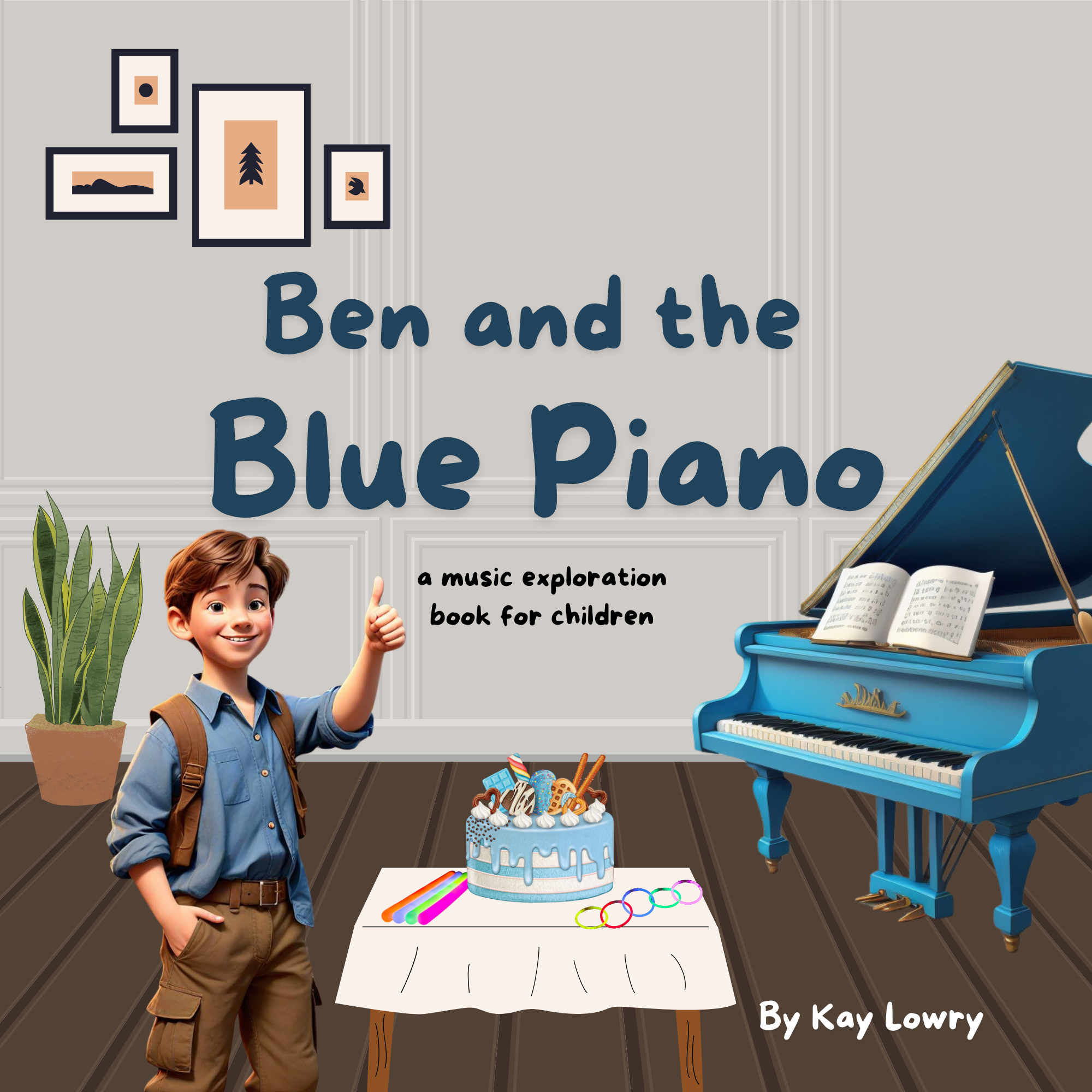
Finally, a music exploration book for young kids—now available as a digital download!
Research shows that music plays a vital role in early childhood development, enhancing motor skills, social interaction, speech, memory, confidence, and creativity. Ben and the Blue Piano is designed for children ages 4-7, including special needs students or any child who loves to create their own songs and learn at their own pace.
This engaging resource introduces foundational musical concepts through play, exploration, and movement. Perfect for piano teachers and parents, the digital format makes it even easier to incorporate music learning into lessons—whether in-person or online.
Wild Notes: A Nature & Music Camp That Inspires Young Learners
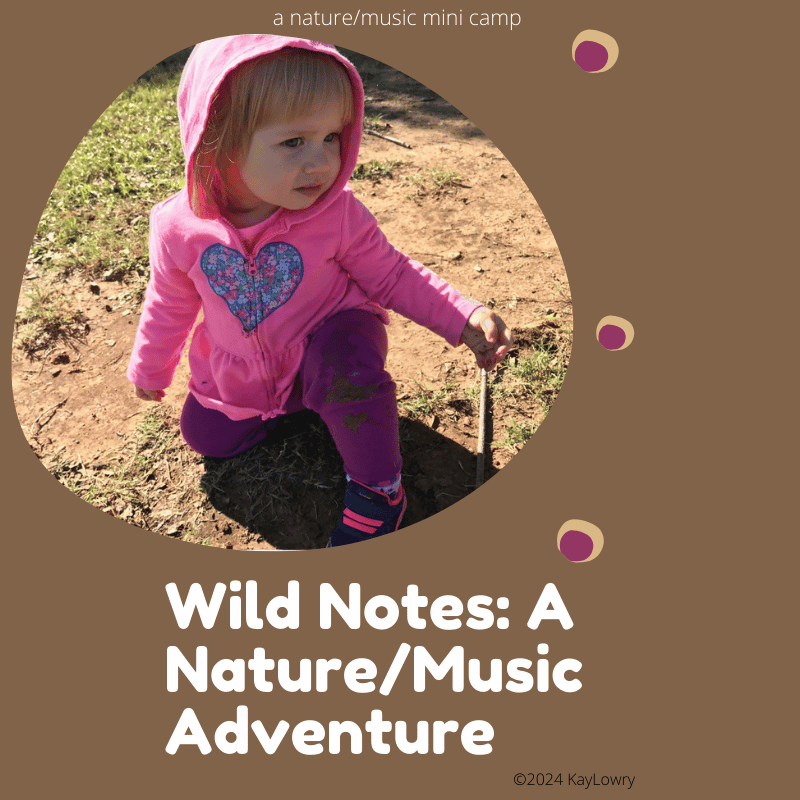
What if you could bring the sounds of nature into your music studio? Imagine children giggling as they shake homemade instruments, tapping rhythms inspired by raindrops, and listening to the wind while creating their own musical stories. With Wild Notes: A Nature & Music Camp for Young Children, you can turn this vision into reality!
This engaging 4-day camp is designed for kids ages 4-9, blending music-making with sensory nature exploration. Perfect for summer programs, community events, or studio workshops, it helps young learners connect with the world around them while developing their musical skills.
Finding the right tool for the job - Preschool Piano
As parents and teachers, we all want to give kids the best start in life, and research has shown that music plays a vital role in developing young minds. From improving motor skills and social abilities to boosting confidence and creativity, the benefits of music are endless. But how do we introduce music to little ones in a way that’s engaging and effective?
This is where our music exploration book for young kids comes in. Designed especially for preschoolers and special needs students, this book lays a strong foundation for musical studies
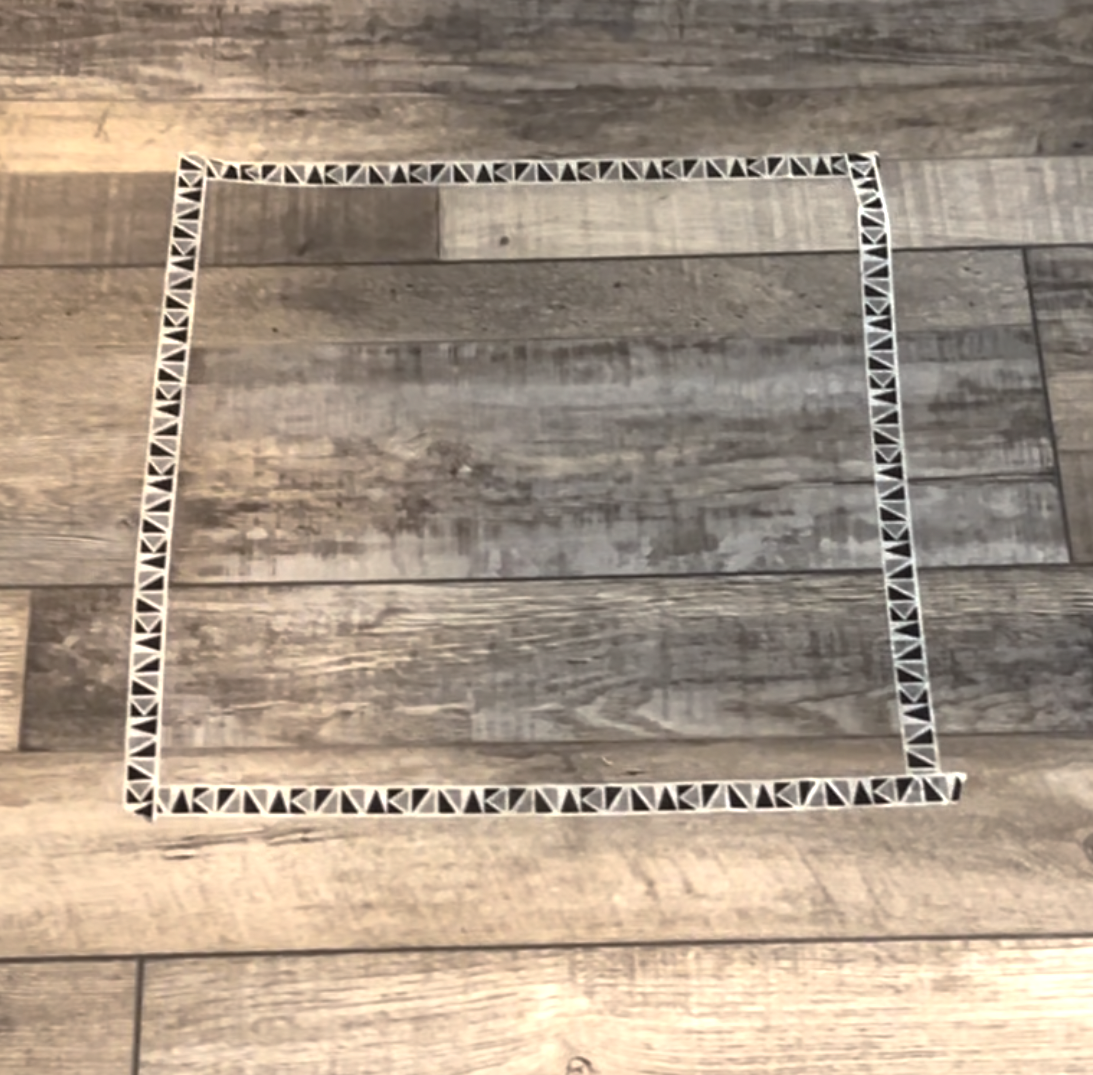
A Fun, Interactive Rhythm Game for Piano Lessons
Yesterday, I worked with one of my beginner students who often struggles to hold her half notes for the full two beats. It's a common challenge with younger students, especially when they haven’t yet felt the rhythm in their bodies. For kids, understanding rhythm is much easier when they can experience it physically. That’s why I came up with a simple game that gets them moving, and it only requires a small amount of space and some washi tape.
Why Teaching Steady Beat First Might Not Be the Best Approach for Young Pianists
Did you know that steady beat is not the first thing you should teach to a young child? Although it’s the first lesson in many piano books, it’s not the ideal starting point for a child's musical journey. Instead, the first thing a child needs to learn is how to listen to long and short sounds
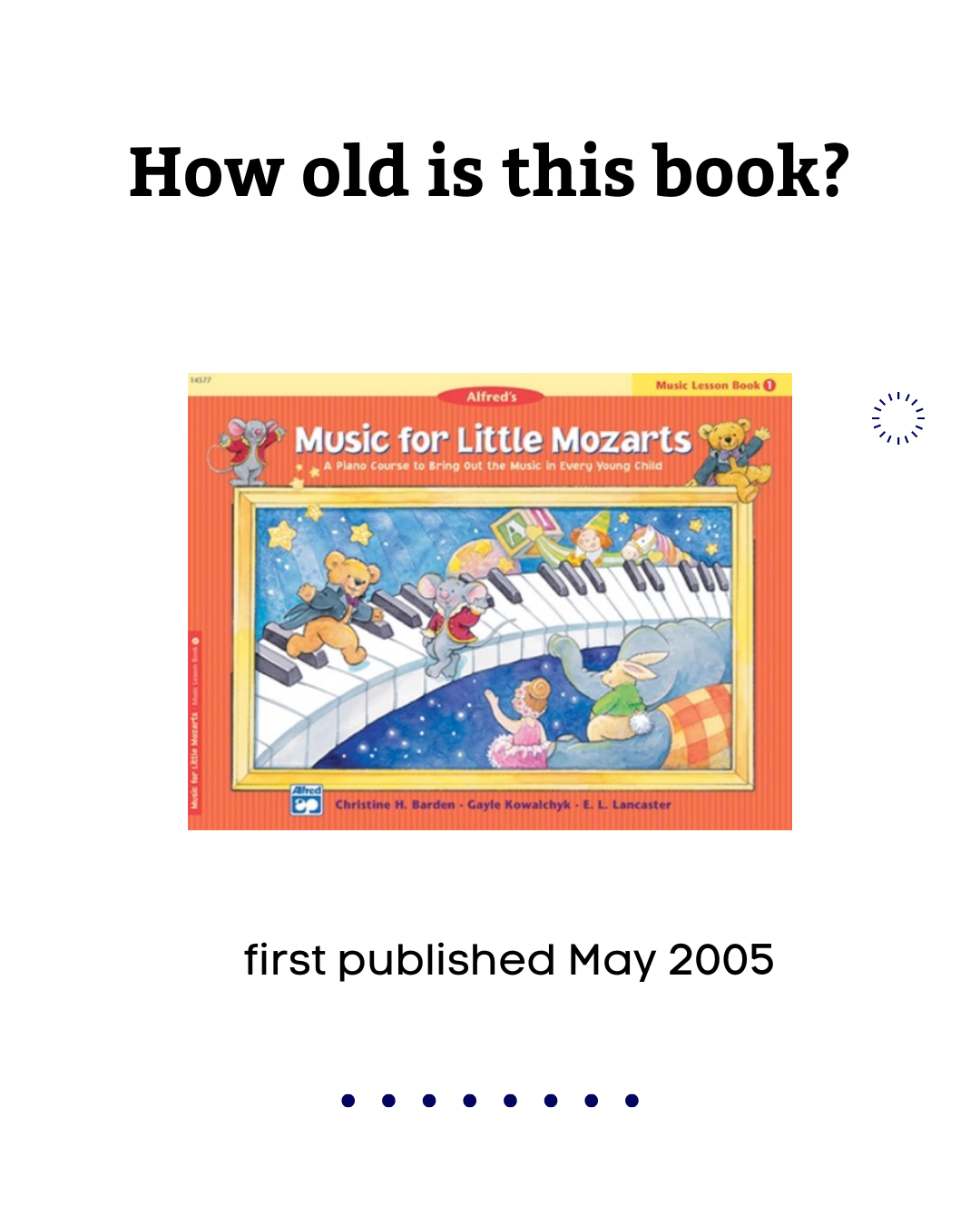
The Good and the Bad of Preschool Piano Books
Check out my opinions on this very popular, but dated, curriculum for young piano students.
New Preschool Piano Book Coming Soon!
In a previous post - I shared how I went from playing on a toy piano, to becoming a piano teacher.
My heart is for the kids that are young, have special needs, or just need to fill in the gaps. Most books go too quickly for young kids, and they are not suited for them. I want a book that will meet kids where they are at!
I am writing and beta testing a method book that will be NOTHING like anything you have seen. Yet, the format will be such that you can pick it up, and without much trouble at all, just open it and TEACH. And, it won't be expensive. And, it won't be hidden behind a paywall or subscription service. Your hard-earned money is just that; I feel the same about my dollars.
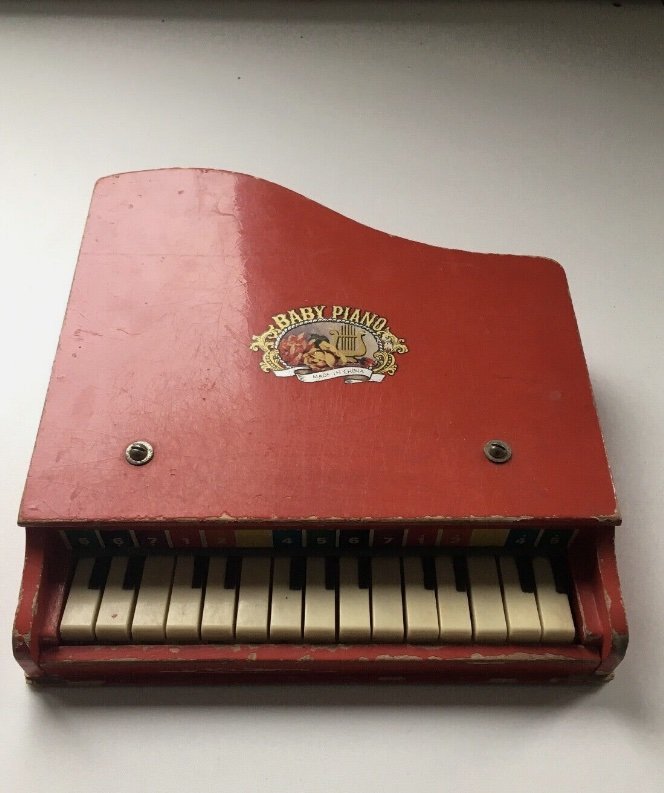
It all started with a little red toy piano.
I was three years old. I received a red toy piano for my birthday.
I can't describe how fascinated I was with this little instrument. It was as if this toy was calling to me.
I really wanted a teacher. Of course, being a child in the 1960s (oops - now you can guess how old I really am!) meant that no one would take on a child that young.
On top of that, my dad was in the military - and overseas in the Vietnam War. Not a good time. My parents were not particularly musical. They were very PRACTICAL. Being in the military meant moving around. Pianos were big and heavy at that time.