5 Easy Classical Piano Pieces for Beginners (That Actually Work for Kids)
If you’ve ever searched for easy classical piano pieces for beginners, you’ve probably run into this problem:
They’re not actually easy.
The notes jump all over the keyboard.
The rhythms feel unpredictable.
And your early students end up frustrated… instead of feeling successful.
So what should beginner classical music look like?
For young students, “easy” needs to mean:
A limited number of notes
A clear hand position (like middle C)
Simple, predictable rhythms
Patterns that support reading—not overwhelm it
When those pieces fall into place, something shifts.
Students don’t just play…
They start to feel like real musicians.
Here are 5 classical pieces that can work beautifully for early elementary students—when they’re simplified the right way.
🎵 Swan Lake (Pyotr Ilyich Tchaikovsky)
Why kids love it:
It’s dramatic, expressive, and instantly recognizable—even for young students.
Why most versions don’t work:
Many arrangements include:
Wide hand movement
Too many notes at once
Rhythmic complexity
What to look for instead:
A version in middle C position
Only 5–6 notes to read
Simple rhythms (quarter, half, whole notes)
When simplified this way, Swan Lake becomes one of the most powerful early classical experiences you can offer.
👉 I created a version like this that works as both a solo and equal-part duet, so students can succeed right away while still sounding musical. Take a peek here:
https://www.pianomusicforkids.com/store/p/swan-lake-easy-piano-sheet-music-beginner-duet-solo-early-elementary-middle-c-position
🎵 Ode to Joy (Ludwig van Beethoven)
Why kids love it:
The melody is repetitive and predictable—which builds confidence quickly.
Why it works for beginners:
Stepwise motion
Easy to memorize
Naturally reinforces reading patterns
What to watch for:
Some versions introduce:
dotted rhythms
Chord-heavy accompaniment
Look for arrangements that keep:
A steady 5-finger position
Minimal harmonic complexity
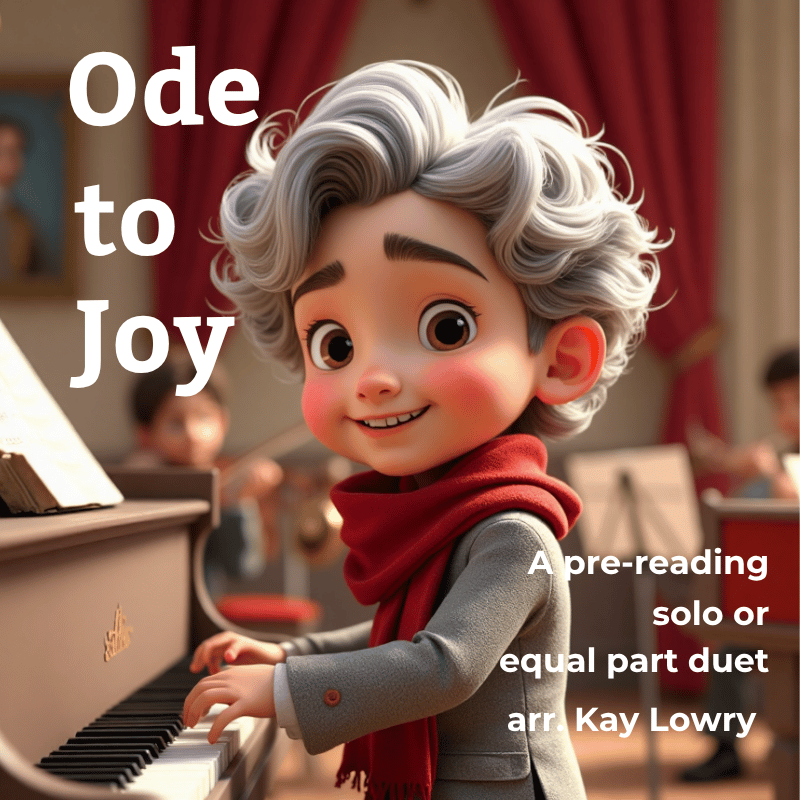
Here’s my simple version of “Ode to Joy” -
https://www.pianomusicforkids.com/store/p/ode-to-joy-a-pre-reading-solo-or-equal-part-duet?rq=Ode%20to%20Joy
🎵 Für Elise (Ludwig van Beethoven)
Why kids love it:
They recognize it almost immediately—and love saying, “I know that song!”
Why most versions fail beginners:
Fast tempo
Large hand jumps
Complex rhythmic groupings
How to make it work:
Use only the opening theme, simplified with:
A limited note range
Slower tempo
Clear patterning
Even a small portion of Für Elise can be incredibly motivating at this level. I arranged the first bit for equal part duet (let’s be honest - that’s the part the want to play, anyway!)
https://www.pianomusicforkids.com/store/p/fur-elise-a-pre-reading-solo-or-equal-part-duet?rq=Fur%20Elise
🎵 Spring from The Four Seasons (Antonio Vivaldi)
Why kids love it:
It feels light, happy, and energetic—perfect for young students.
Why it’s tricky:
Original melodies often include:
Fast note patterns
Violin-style phrasing that doesn’t translate easily to piano
What to look for:
A simplified melodic line
Repetition of small patterns
Comfortable hand positions
When adapted well, this piece brings a sense of movement and excitement into lessons.
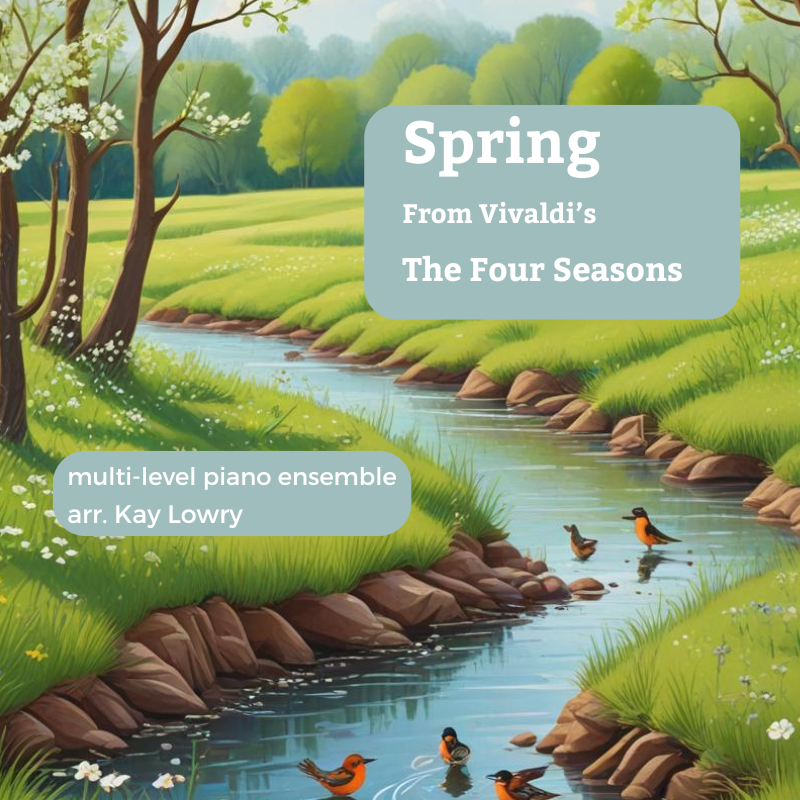
I love the iconic melody! Here’s the simple arrangement:
https://www.pianomusicforkids.com/store/p/spring-from-vivaldis-the-four-seasons-a-studio-licensed-elementary-piano-solo-or-ensemble?rq=Spring
🎵 In the Hall of the Mountain King (Edvard Grieg)
Why kids love it:
It builds intensity—and kids LOVE that.
Why it works so well for beginners:
Repeating patterns
Gradual buildup
Strong rhythmic drive
Teaching advantage:
This piece is perfect for:
Reinforcing steady beat
Exploring dynamics (soft → loud)
Keeping students fully engaged
I especially love to teach this one in the fall - around Halloween. Throw in the concept of accelerando as the students repeat the piece. (They want to do this anyway!)
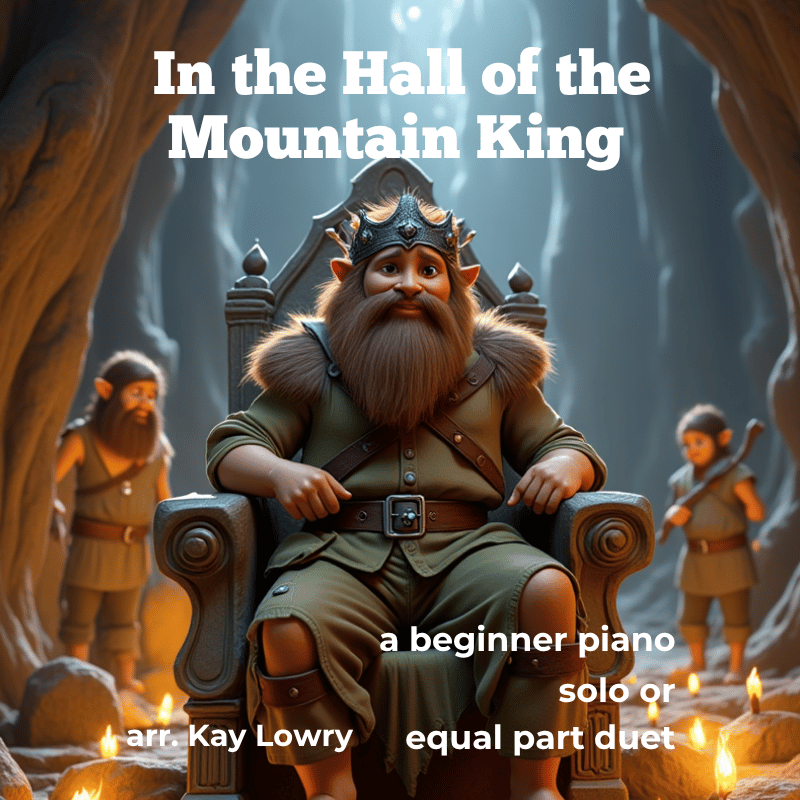
Here’s a peek at my arrangement:
https://www.pianomusicforkids.com/store/p/in-the-hall-of-the-mountain-king-beginner-piano-solo-or-duet?rq=In%20the%20Hall
🎹 Why These Pieces Matter
Introducing classical music early isn’t just about exposure.
It builds:
Listening skills
Pattern recognition
Musical expression
Student motivation
The key is choosing music that meets students where they are—not where we wish they were.
🎯 A Simple Shift That Changes Everything
When beginners can play something recognizable…
Something musical…
Something that actually sounds like a real piece…
They don’t just learn faster.
They stay.
They engage.
They begin to see themselves as musicians.
❓ Frequently Asked Questions (FAQ)
What are the best classical piano pieces for beginners?
The best beginner pieces use a limited note range, simple rhythms, and predictable patterns while still sounding musical and recognizable.
Can early elementary students play classical piano music?
Yes—when the music is properly simplified, even young beginners can successfully play well-known classical themes.
What level is early elementary piano?
Early elementary students are typically learning basic staff reading, simple rhythms, and staying within a fixed hand position like middle C.
Why do “easy” piano pieces still feel hard?
Many arrangements are labeled “easy” but still include too many notes, complex rhythms, or large hand movements that overwhelm beginners.