Free Piano Worksheets for Beginners (That Kids Actually Enjoy)
Learning piano starts long before reading notes on a staff.
If you’ve ever handed a beginner a worksheet and watched their eyes glaze over… you’re not alone.
Most piano worksheets are designed to test knowledge—not build it.
What young beginners really need is something different:
something they can see
something they can touch
something that actually makes sense before symbols are introduced
That’s where the right kind of worksheet makes all the difference.
🎹 What Makes a Good Beginner Piano Worksheet?
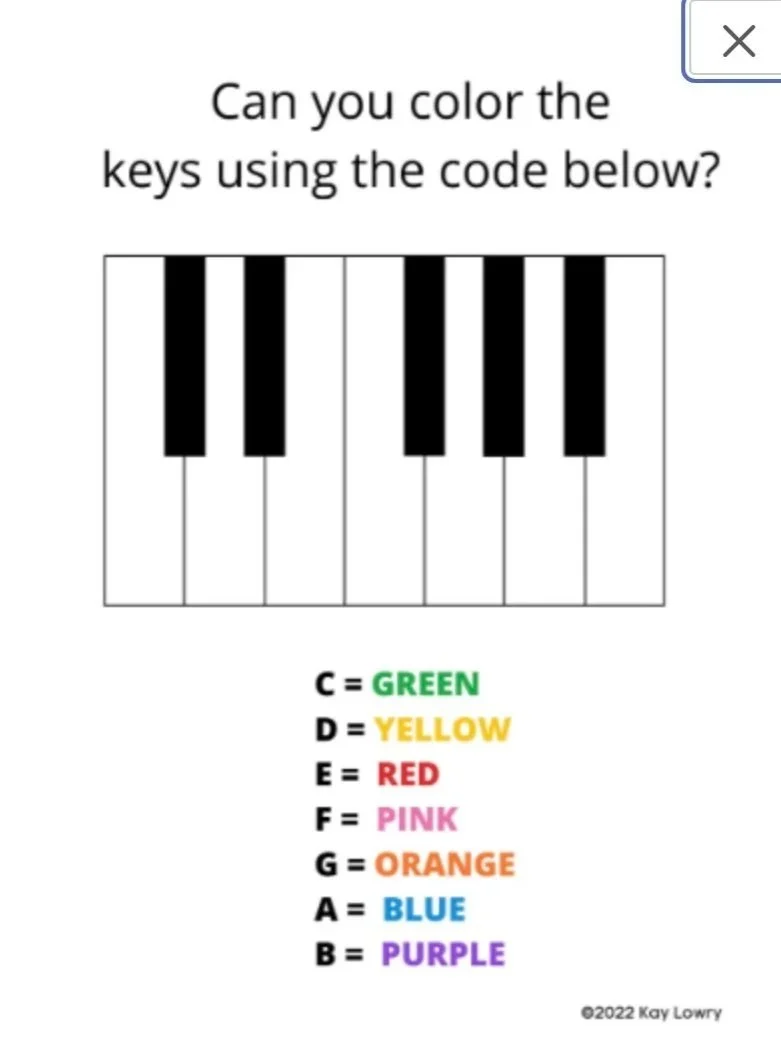
coloring page piano keys
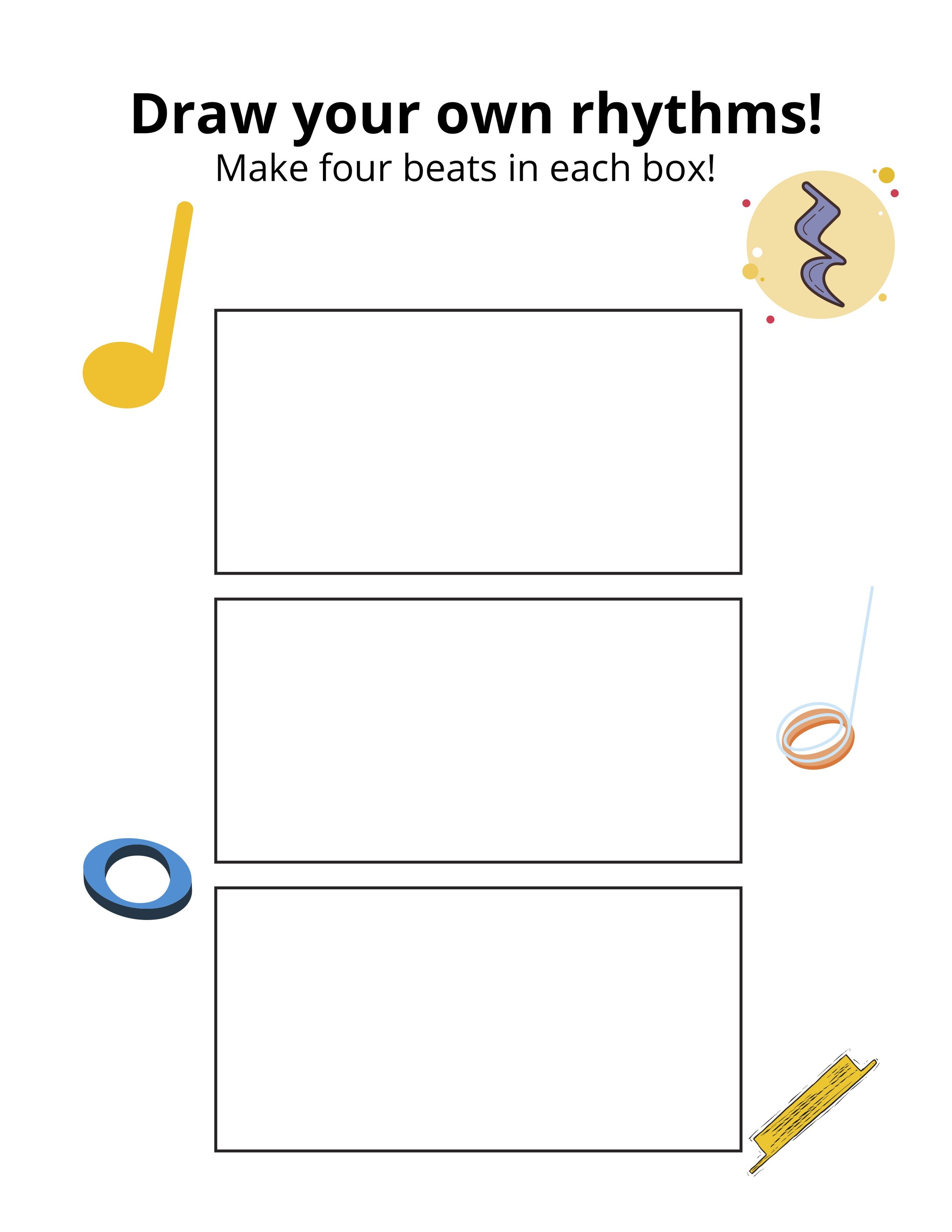
free rhythm worksheet
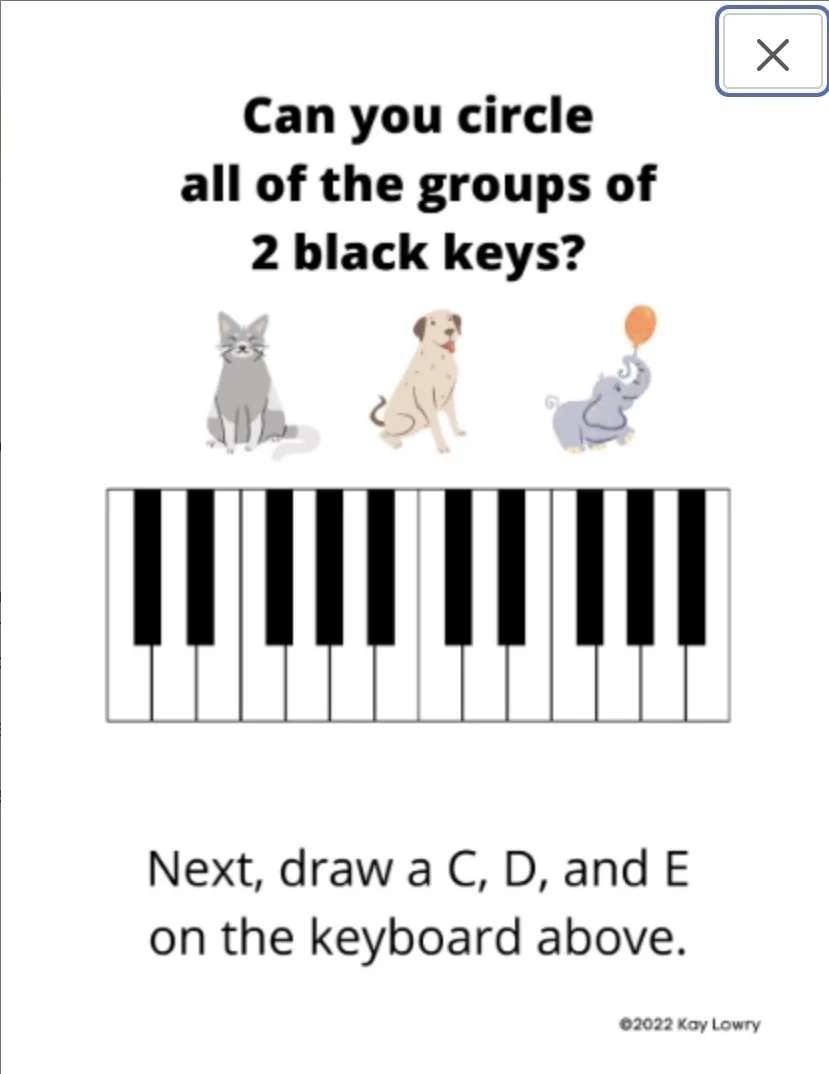
free piano keys worksheet
With young students (especially ages 4–7), worksheets should feel more like activities than assignments.
Look for worksheets that:
use color and visuals (not just black and white notes)
focus on one concept at a time
connect directly to what students do at the piano
allow for movement, pointing, or interaction
When worksheets are done well, they don’t replace the lesson—they extend it. Or - they reinforce and remind students of what they already know.
This builds confidence!
🎵 Start with Piano Keys (Before Reading Music)
One of the biggest mistakes I see is jumping too quickly into note reading.
I get it. At a recent conference - I put out a poll to teachers. The question - “What is one thing you wish your beginners would do?” One teacher answered, “Read notes.” I know, I know! We all want that.
But before note reading, students need to understand:
how the keyboard is organized
groups of 2 and 3 black keys
high vs. low
patterns and direction
And they need to know these things VERY well!
Simple activities like:
coloring groups of white keys
circling patterns of black keys
tracing direction (up/down)
creating their own patterns
…help students build confidence quickly—because they can see and understand what they’re doing.
🥁 Build Rhythm Through Play
Rhythm is another area where worksheets can either help… or completely confuse beginners.
Instead of starting with counting, I like to begin with:
patterns
movement
visual spacing
Worksheets that require long explanations will LOSE kids before they start!
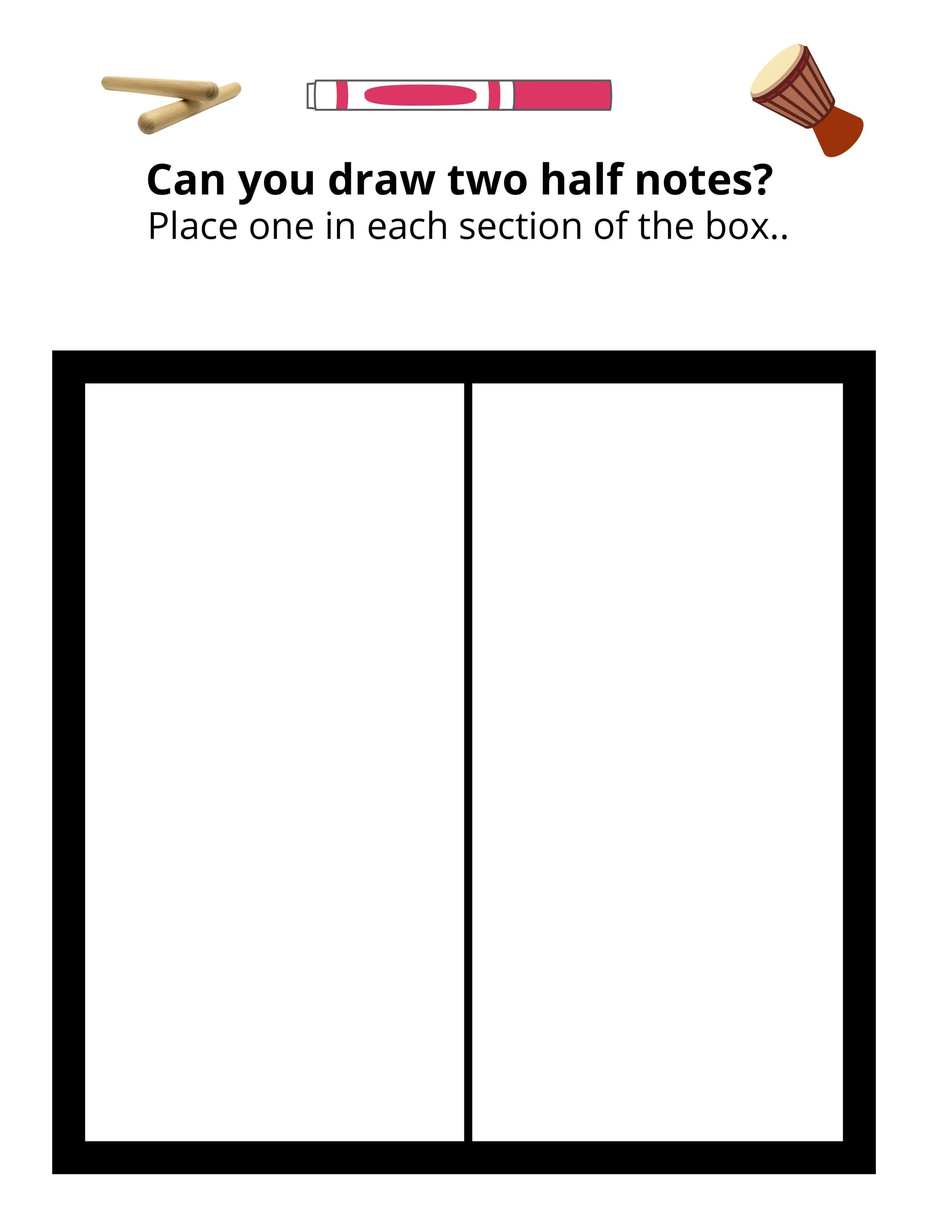
free rhythm lesson
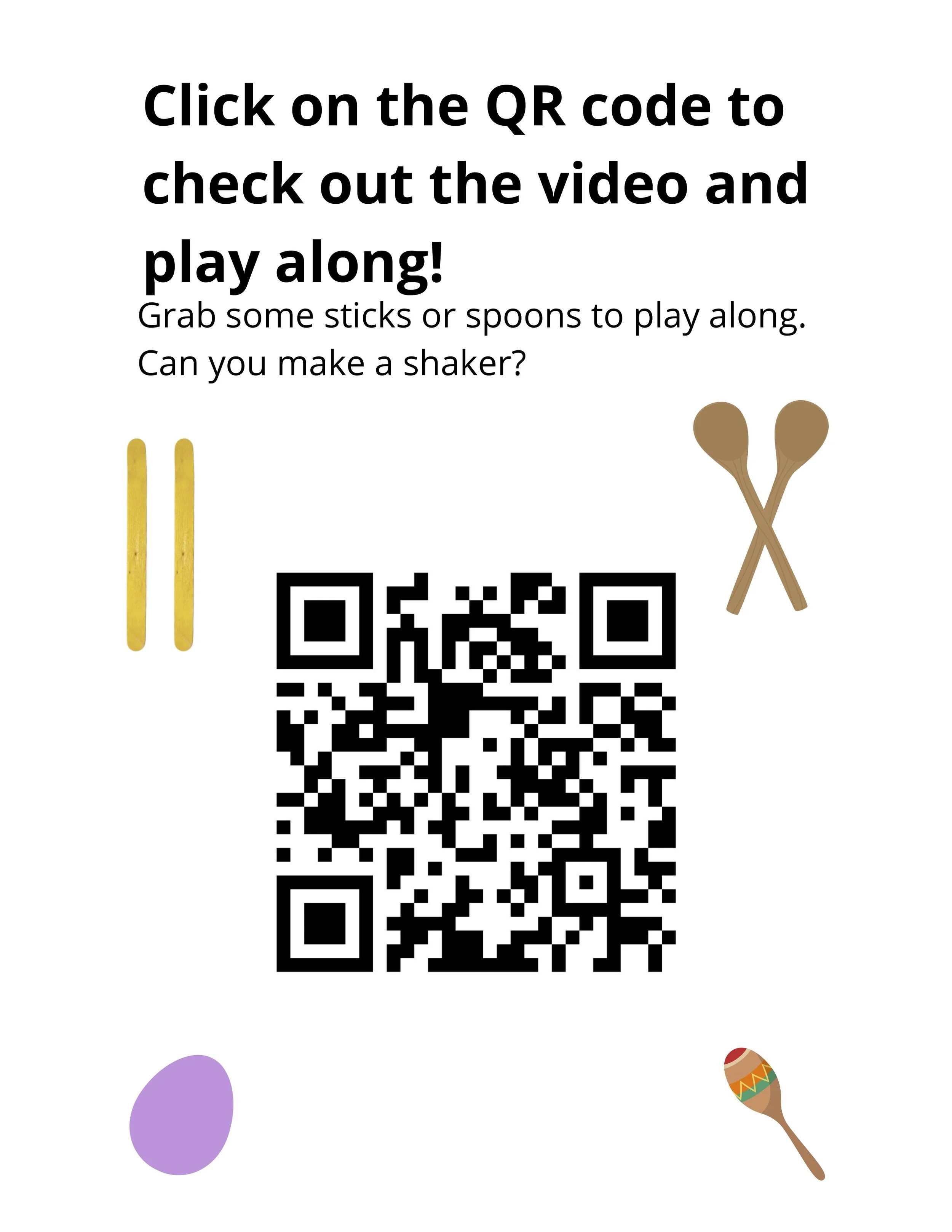
free rhythm activity
Worksheets that include:
large, easy-to-see notes
simple patterns to clap or tap
visual representations of long and short sounds
QR codes for interactive play!
…help students feel and see rhythm as they learn.
💡 How I Use Worksheets in Lessons
Here’s what this looks like in real life:
We move (clap, tap, march, sing)
We play something at the piano
Then we connect it to a worksheet
The worksheet becomes:
👉 a bridge between experience → understanding
Not busywork.
🎁 Free Beginner Piano Worksheets (Try This First)
If you’re looking for something simple to start with, I’ve put together a set of beginner-friendly pages you can try with your students.
They focus on:
piano key patterns
early rhythm concepts
hands-on, visual learning
👉 Download the free beginner piano worksheets here
📘 Want a Ready-to-Use Set for Your Studio?
If you find yourself constantly searching for worksheets that actually work with young beginners, I combined my most-used pages into one simple set:
The Beginner Value Bundle includes:
Explore Piano Keys worksheets
Explore Rhythm worksheets
These are the same types of pages I use in my own lessons to help students:
understand before they read
stay engaged
build real confidence at the piano
👉 Take a look at the Beginner Value Bundle here
🎯 Final Thought
With young beginners, the goal isn’t to move faster.
It’s to build a foundation that actually lasts.
The right worksheet—used at the right time—can make that process feel natural, engaging, and even fun.