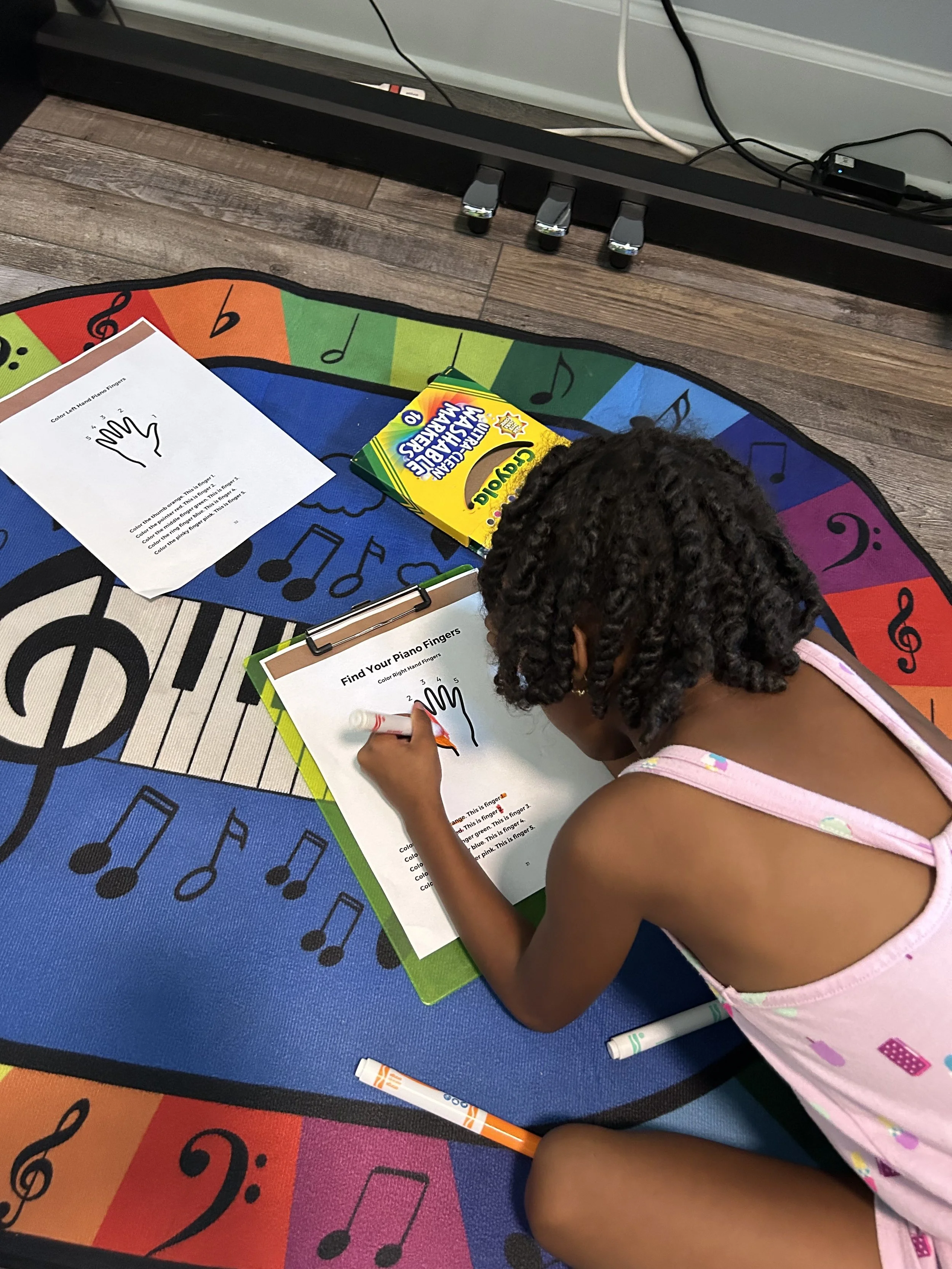
Free Piano Worksheets for Beginners (Ages 4–7)
Free Piano Worksheets for Beginners
Download these printable activities:
✔ Piano Keys Worksheets
✔ Rhythm Worksheets
✔ Finger Number Activities
Teaching young beginners at the piano is exciting — but it can also be challenging.
Before students are ready to read notes on the staff, they need time to explore the keyboard, understand rhythm, and build confidence at the piano.
That’s where printable activities can help.
🎹 How to Teach Piano Keys to Young Beginners (Ages 4–7)
If you’ve ever felt overwhelmed trying to find the perfect piano lesson ideas for young beginners, you are not alone. Teaching piano to 4–7 year olds can be joyful, imaginative, and yes—sometimes a little chaotic!
I’m Kay from PianoMusicForKids.com, and today I want to share a simple, creative way to teach your students the white keys on the piano. This approach blends movement, sound, and imagination, helping your youngest students explore music with their whole being.
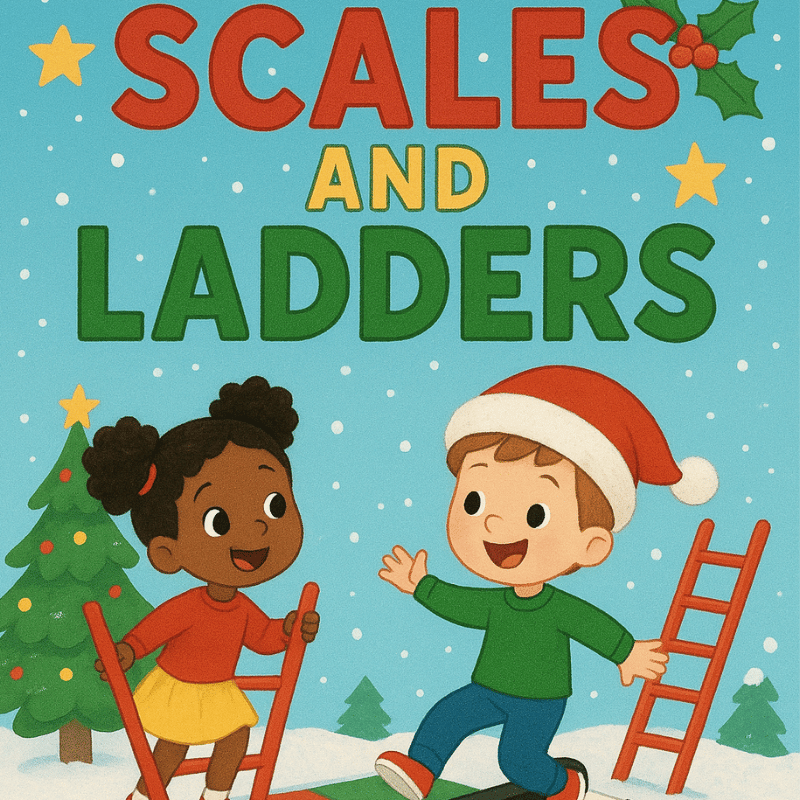
🎄 Scales and Ladders: The Piano Game That Makes Scale Practice Fun Again
If you’ve ever run a scale challenge in your studio, you know the drill.
Students work hard and race toward their goals — learning, laughing, and collecting prizes along the way.
And then… reality hits.
A few weeks later, C Major sounds like it’s never been played before. 😅
That’s when I realized: my students needed a fun, ongoing way to keep scales fresh — long after our studio-wide challenge was over.
So when my team member Kennedy O’Daniel designed a Christmas-themed game that turns scale review into a musical adventure, I knew teachers everywhere would love it.
It’s called 🎹 Scales and Ladders 🎹, and it’s as festive as it is effective.
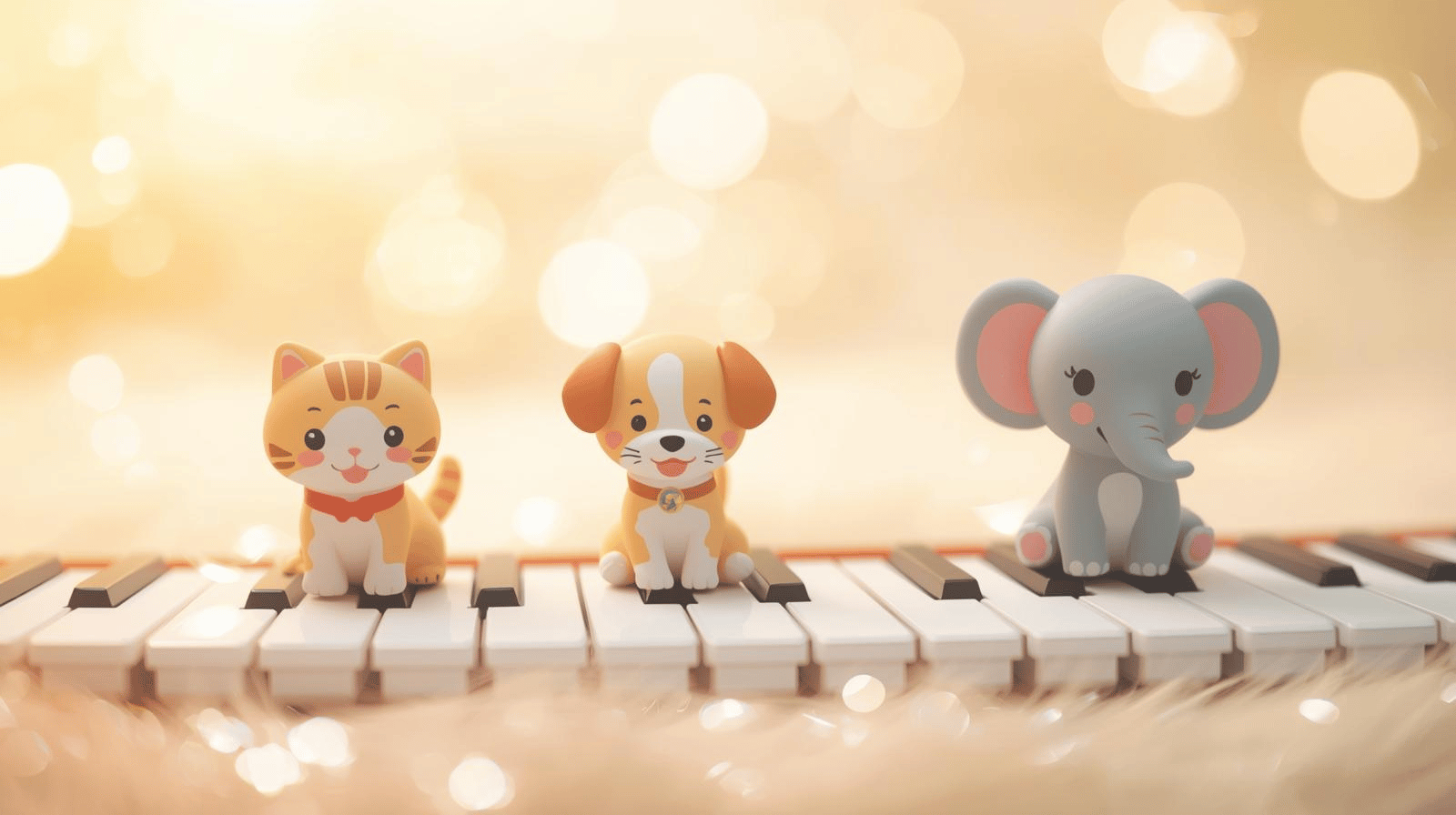
Meet the Cat, Dog, and Elephant: A Story to Teach the Piano Keys
Teaching little ones to find their way around the piano keys becomes pure magic with this “Music Street” story—an imaginative way to help kids remember where C, D, and E live on the keyboard.
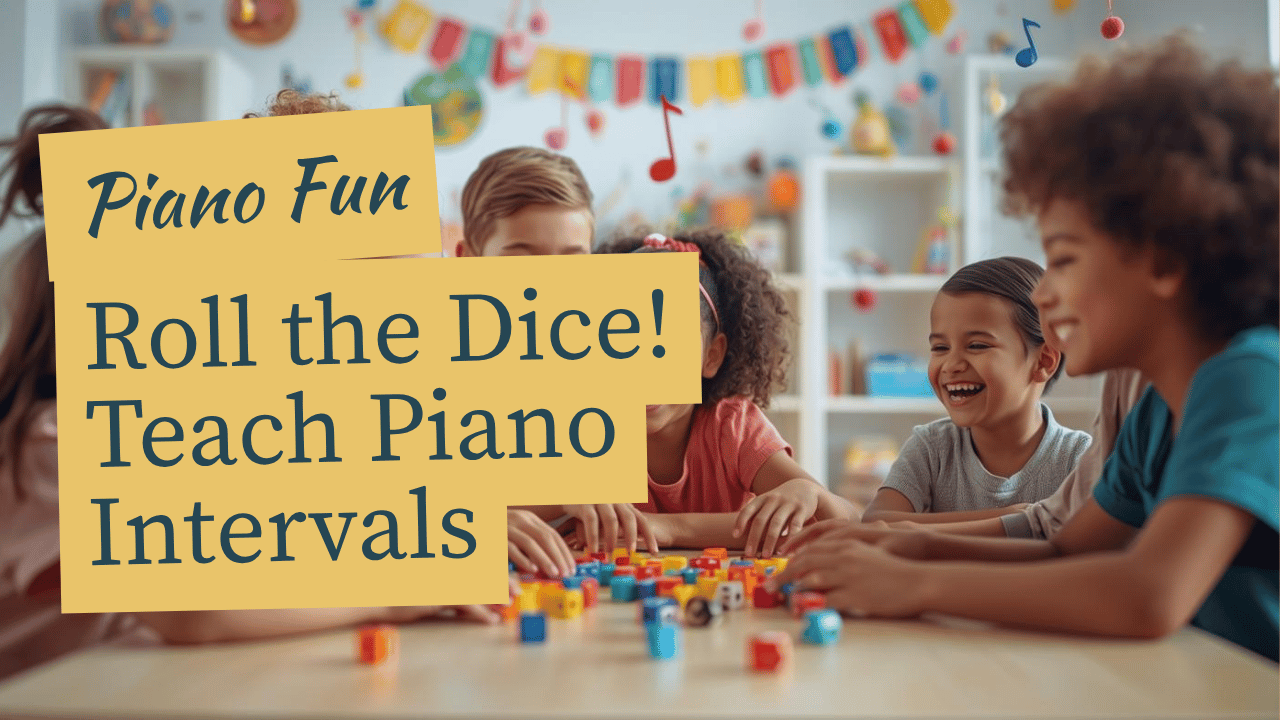
🎲 Teaching Piano Intervals with Dice: A Fun Group Activity for Young Beginners
If you’re searching for a fun, hands-on way to teach piano intervals to young beginners, this creative dice game for group piano lessons helps students understand how notes move up and down the keyboard through play.
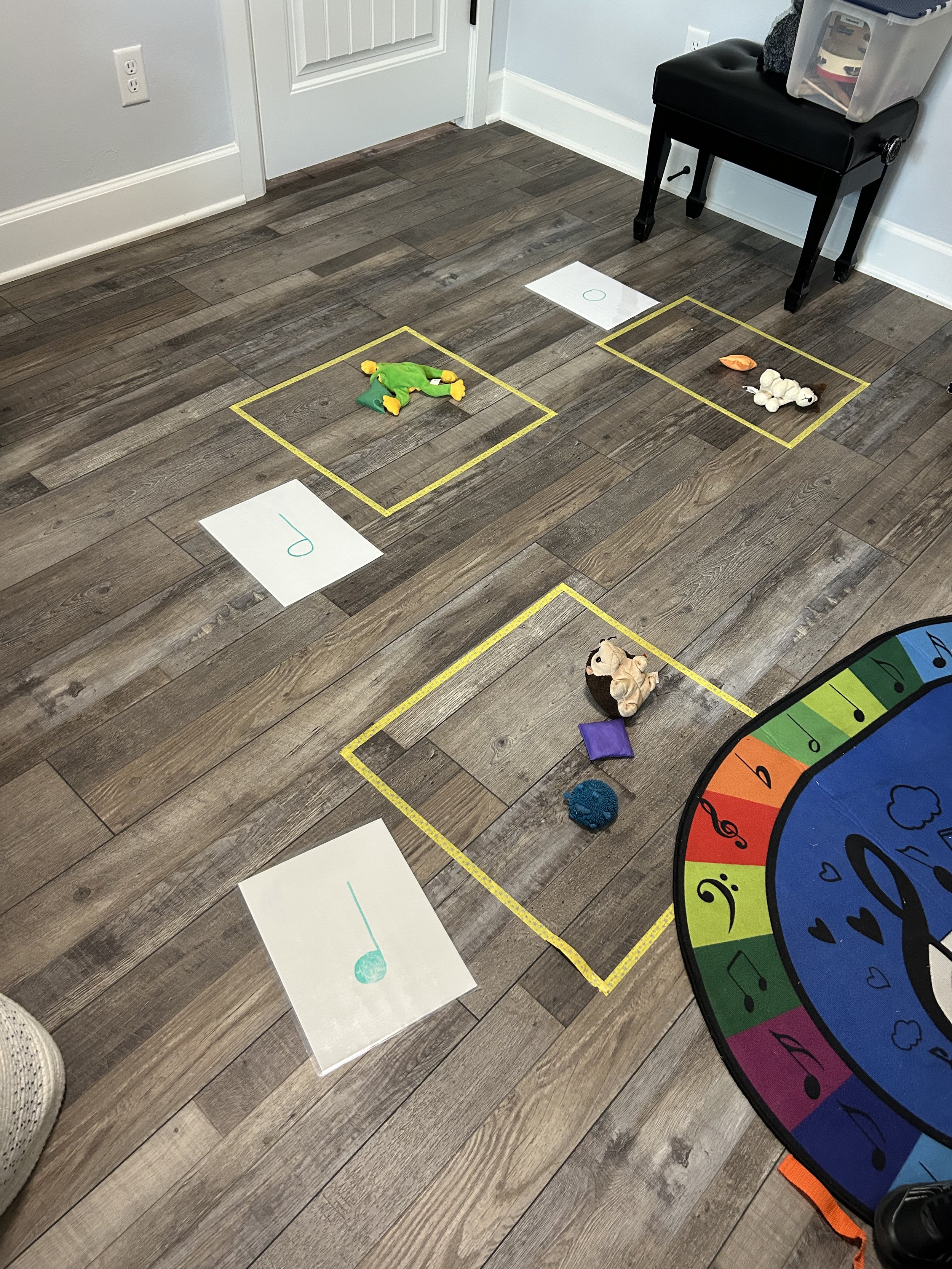
Off-Bench Piano Activities: Teaching Musical Steps with Movement 🎹
👉 Off-bench piano activities are one of the best ways to help beginner students learn musical steps, rhythm, and note reading through movement before they ever sit at the piano.
Piano Games AND Music Writing? Yes, You Can Have Both!
If you teach young beginners, you’ve probably felt this tension before: should piano lessons be focused on fun games or serious music theory books?
Many teachers swap in games to keep students engaged but end up leaving out the foundational writing practice that helps students internalize what they’ve learned. Others go the opposite direction, focusing heavily on worksheets but losing that joyful, playful spark that makes kids love piano.
But here’s the good news—you don’t have to choose. 🎲✏️

Free Piano Key Worksheets for Beginners: Make Learning Fun and Stress-Free
Teaching beginners to find their way around the piano keys is one of the first (and most important) steps in piano lessons. But let’s be honest—traditional theory books and endless drills can make this stage feel dull for students and exhausting for teachers. That’s why I created a set of free piano key worksheets that turn review into something colorful, memorable, and fun.
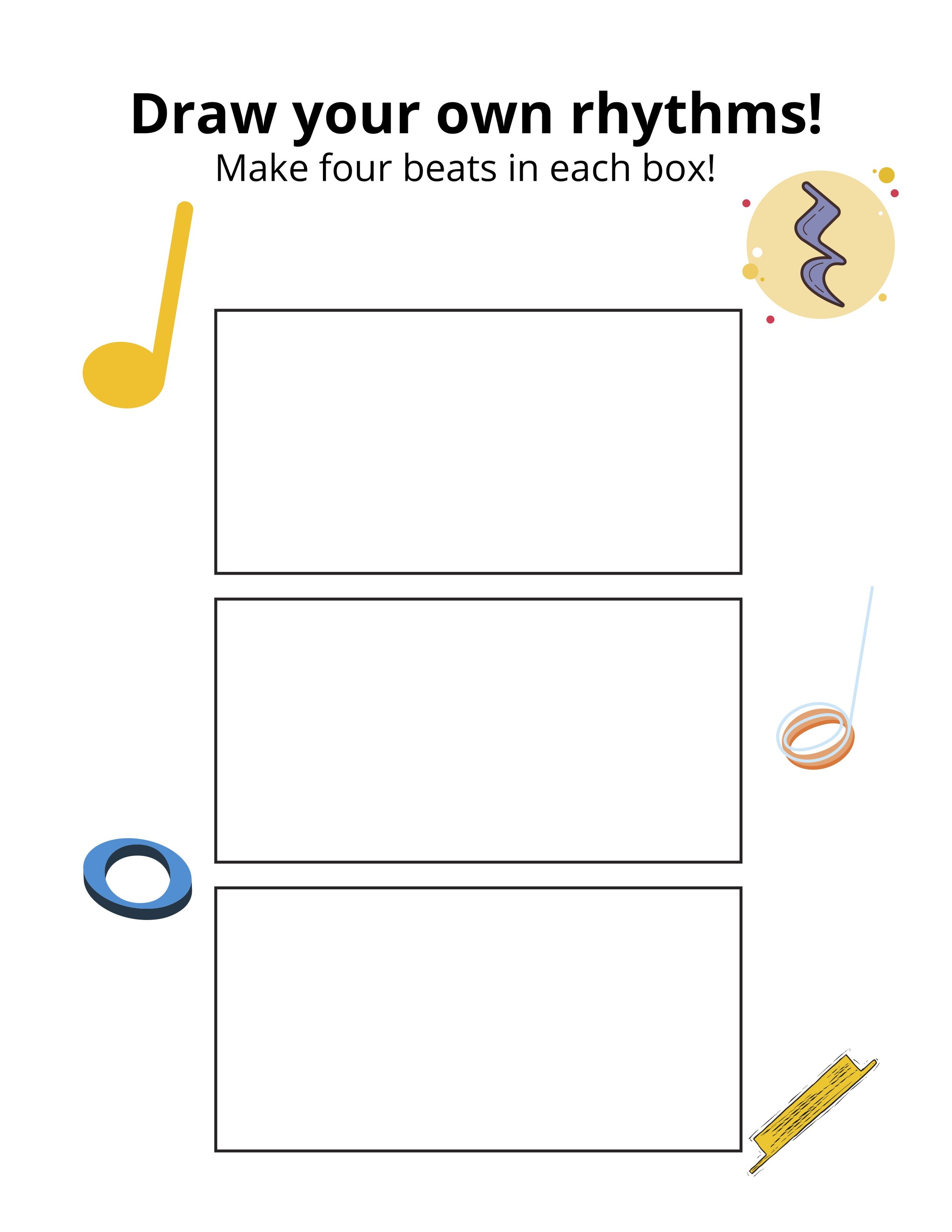
🎹 Beginner Piano Worksheets That Help Your Students Actually Learn the White Keys and Basic Rhythms
If you’ve been teaching beginner piano students for any length of time, you’ve probably asked yourself:
“Do my students really know the white keys and rhythm values—or are they just guessing?”
You’re not alone.
White key names and basic rhythms are foundational skills, but they take more than just a few lessons to truly sink in. And if we move on too quickly, we risk building everything else on shaky ground.
That’s why I created this free, printable resource:

Creative Piano Teaching Resources:Fun Piano Key Worksheets for Young Kids
Are you a piano teacher who's constantly searching for innovative ways to keep your youngest students engaged? Do you find yourself wishing for resources that combine fun, effective learning, and a touch of magic? I hear you, and you are not alone!
As piano teachers, we pour our hearts into nurturing a love for music in our students. But let's be honest, those initial lessons on the piano can sometimes feel… well, a little less than inspiring for tiny hands and short attention spans. You've probably tried flashcards, tried singing songs, and even brought in some musical games. Yet, the struggle to make those white keys "stick" in a memorable and exciting way is real. Why do they always forget?
You want your students to feel excited to learn, not just to tolerate it. You want them to grasp fundamental concepts without tears or glazed-over eyes. And most importantly, you want to ignite a lifelong passion for piano, starting from those very first notes