
Pom-Pom Friends — A Sweet Reminder to Slow Down in Piano Lessons
Have you ever been reminded to slow waaaaay down in piano lessons?
That happened this week.
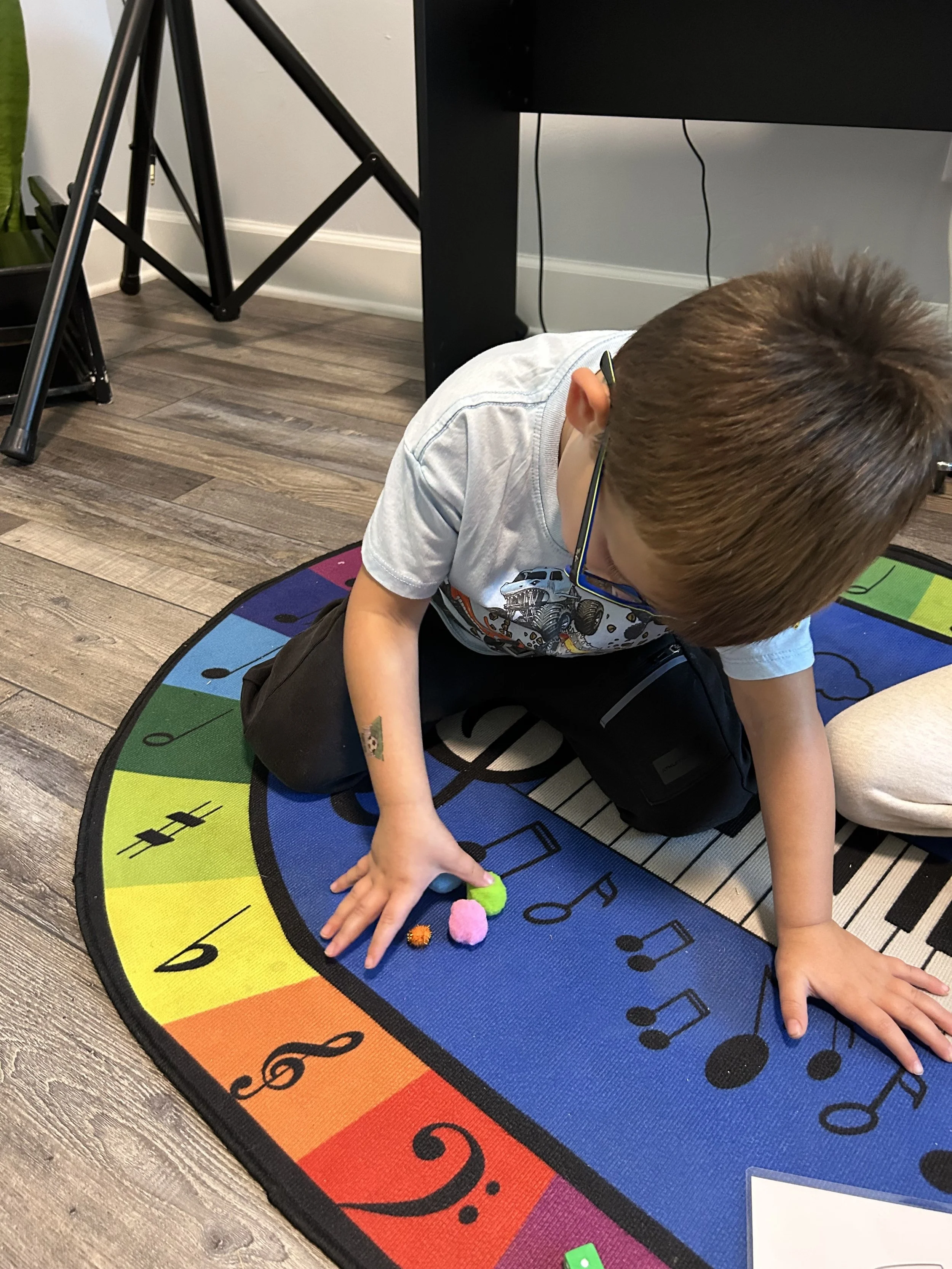
I’ve been wanting to use pom-poms as an off-bench activity for a while now — and finally did it!
We’ve been experimenting with touching a pom-pom using the fingertip, and picking them up using “doughnut” shapes:
🎯 1 and 3 together,
🎯 1 and 2,
(And yes, they want to try 1–4 and 1–5, but those happen less often — for obvious reasons!)
If you use My First Piano Adventures, this will sound familiar.
🎵 How to Teach Two Kids at One Piano — Without the Chaos!
Teaching two kids at one piano can be fun, musical, and organized — with the right roles, materials, and creative strategies.

Bring Holiday Cheer to Your Studio with “Ding, Dong, Merrily on High” – Elementary Piano Solo & Duet for Young Beginners
Imagine your elementary piano students’ eyes lighting up as they play a joyful holiday tune together. The first sparkling notes of Ding, Dong, Merrily on High fill the room, and suddenly everyone — teachers, students, and families — is smiling. This studio-licensed elementary piano solo and equal-part duet is perfect for beginner students, holiday recitals, and group lessons.
If you’re a piano teacher looking for beginner holiday piano music that builds confidence, develops ensemble skills, and delights students, this piece is your perfect solution.
🎹 How to Teach Piano Keys to Young Beginners (Ages 4–7)
If you’ve ever felt overwhelmed trying to find the perfect piano lesson ideas for young beginners, you are not alone. Teaching piano to 4–7 year olds can be joyful, imaginative, and yes—sometimes a little chaotic!
I’m Kay from PianoMusicForKids.com, and today I want to share a simple, creative way to teach your students the white keys on the piano. This approach blends movement, sound, and imagination, helping your youngest students explore music with their whole being.
🎄 Scales and Ladders: The Piano Game That Makes Scale Practice Fun Again
If you’ve ever run a scale challenge in your studio, you know the drill.
Students work hard and race toward their goals — learning, laughing, and collecting prizes along the way.
And then… reality hits.
A few weeks later, C Major sounds like it’s never been played before. 😅
That’s when I realized: my students needed a fun, ongoing way to keep scales fresh — long after our studio-wide challenge was over.
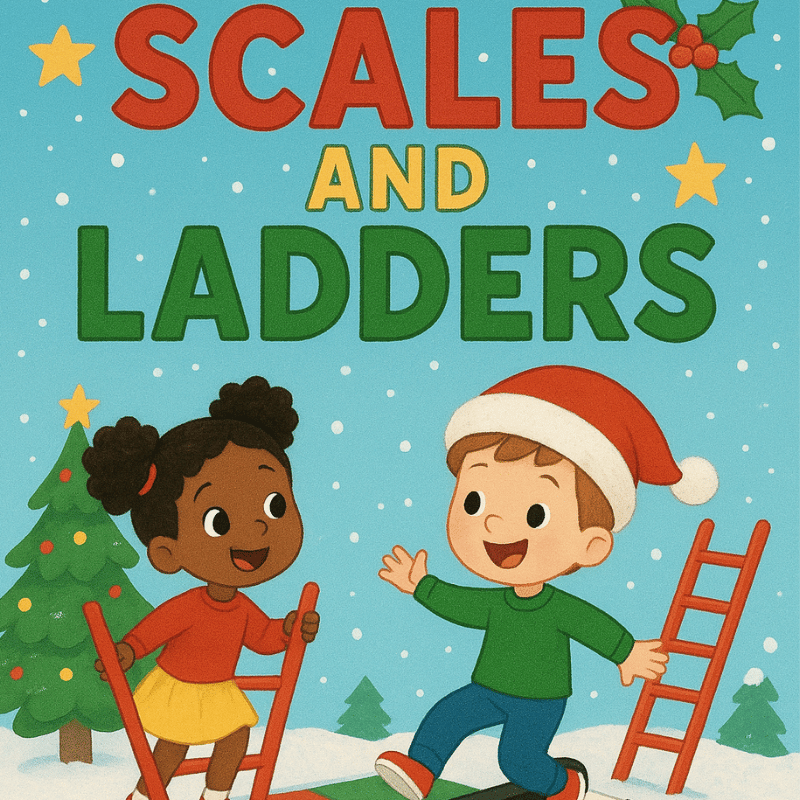
So when my team member Kennedy O’Daniel designed a Christmas-themed game that turns scale review into a musical adventure, I knew teachers everywhere would love it.
It’s called 🎹 Scales and Ladders 🎹, and it’s as festive as it is effective.
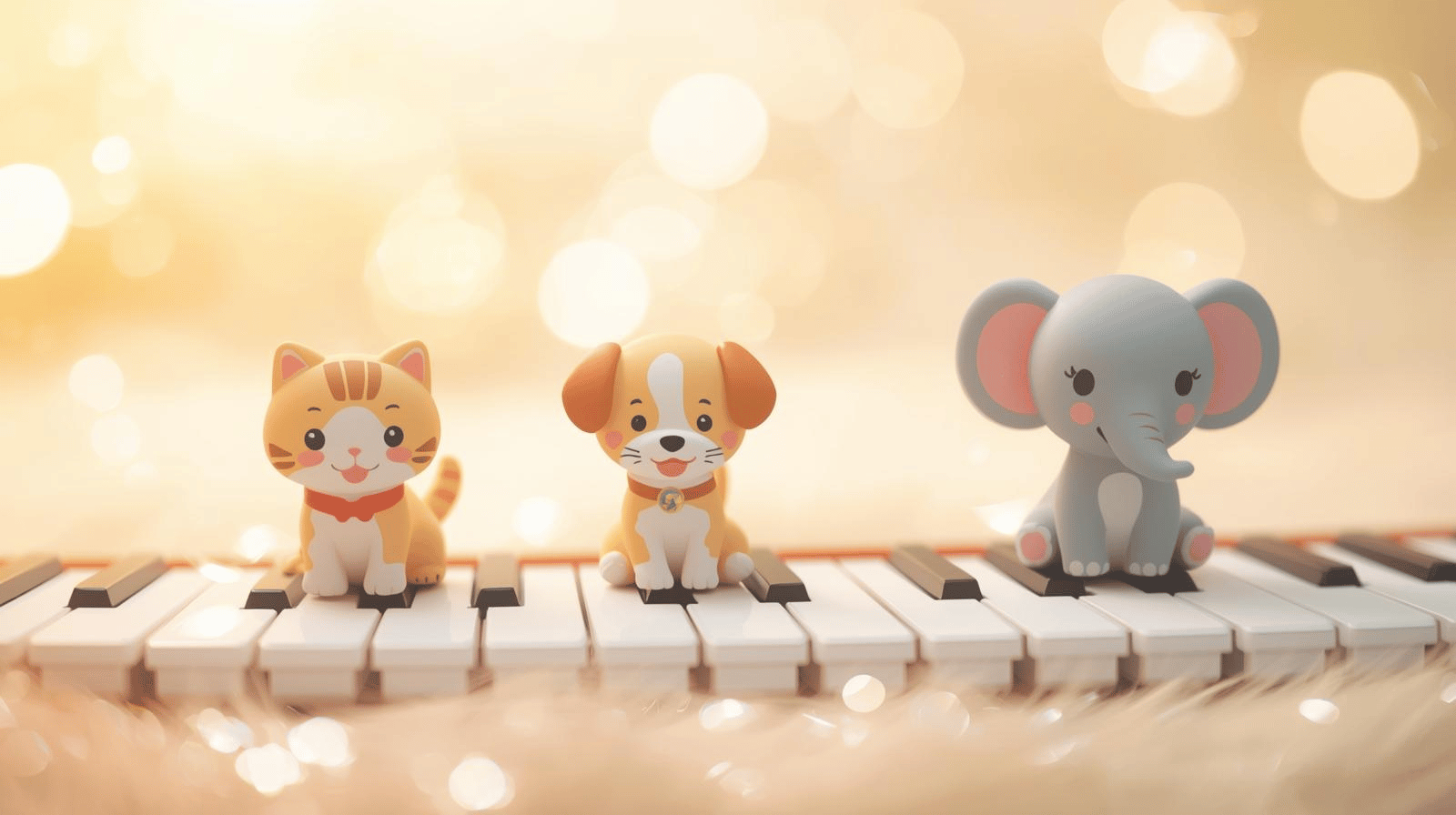
Meet the Cat, Dog, and Elephant: A Story to Teach the Piano Keys
Teaching little ones to find their way around the piano keys becomes pure magic with this “Music Street” story—an imaginative way to help kids remember where C, D, and E live on the keyboard.
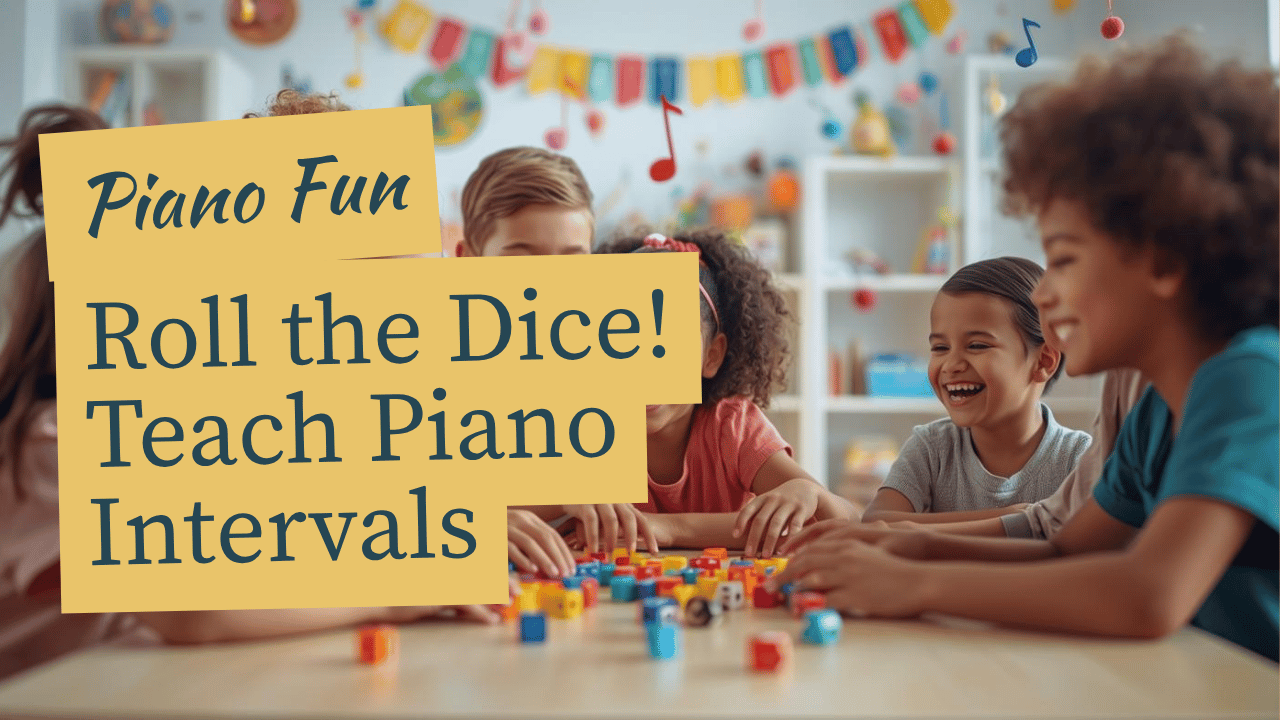
🎲 Teaching Piano Intervals with Dice: A Fun Group Activity for Young Beginners
If you’re searching for a fun, hands-on way to teach piano intervals to young beginners, this creative dice game for group piano lessons helps students understand how notes move up and down the keyboard through play.
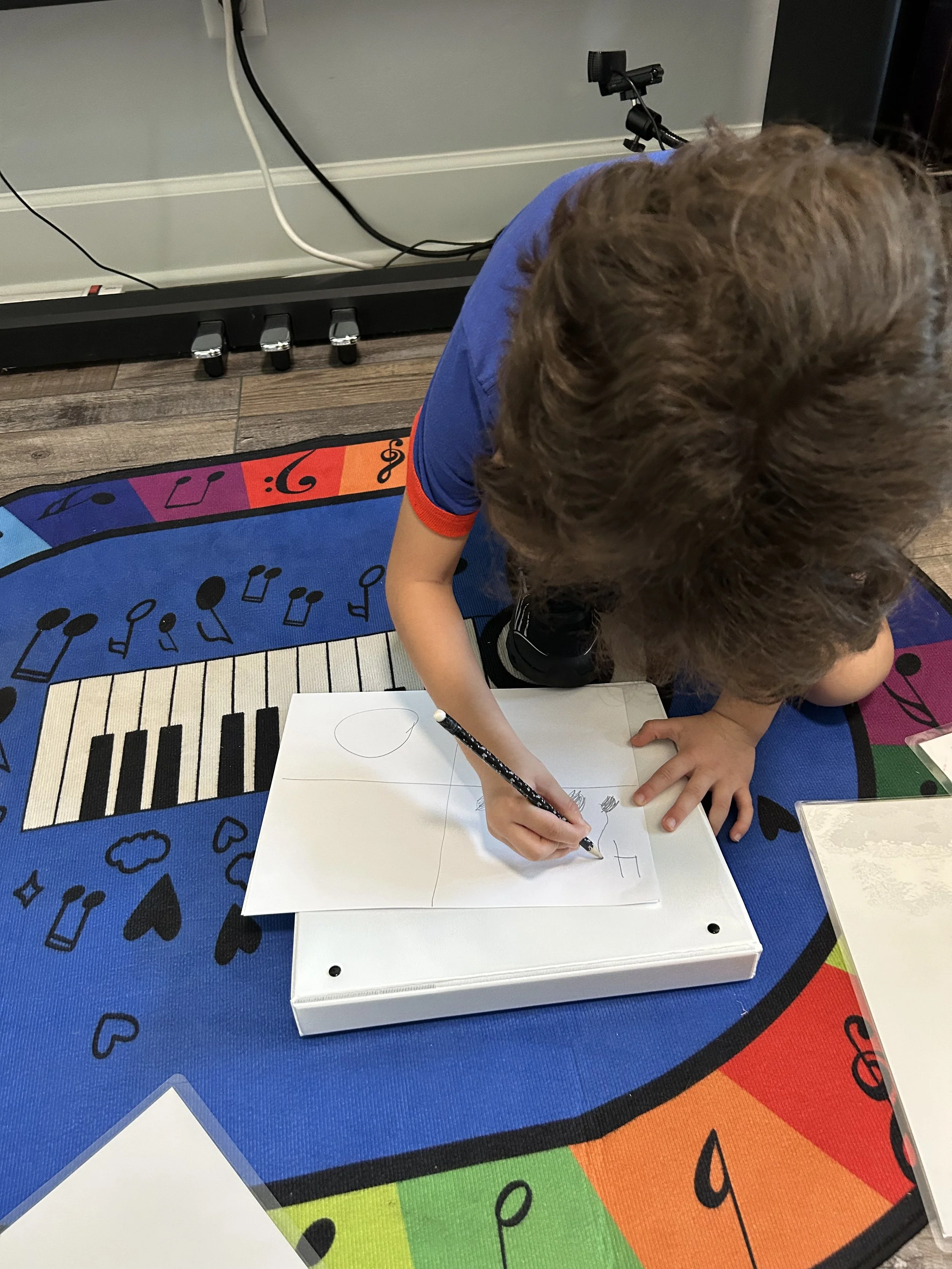
Free Piano Key Worksheets for Beginners: Make Learning the Keyboard Fun and Visual
These free piano key worksheets help beginners identify black key patterns, letter names, and keyboard groups—without endless drills or confusion.
Let’s be honest—some of us never outgrew our coloring obsession. 😅
And that’s a good thing. Because coloring isn’t just fun—it’s one of the most powerful ways to help young piano students learn and remember new concepts.
That’s exactly why I created the free Explore Piano Keys worksheets: a colorful, hands-on way for beginners to recognize black key patterns, letter names, and keyboard geography without the pressure of a theory book.
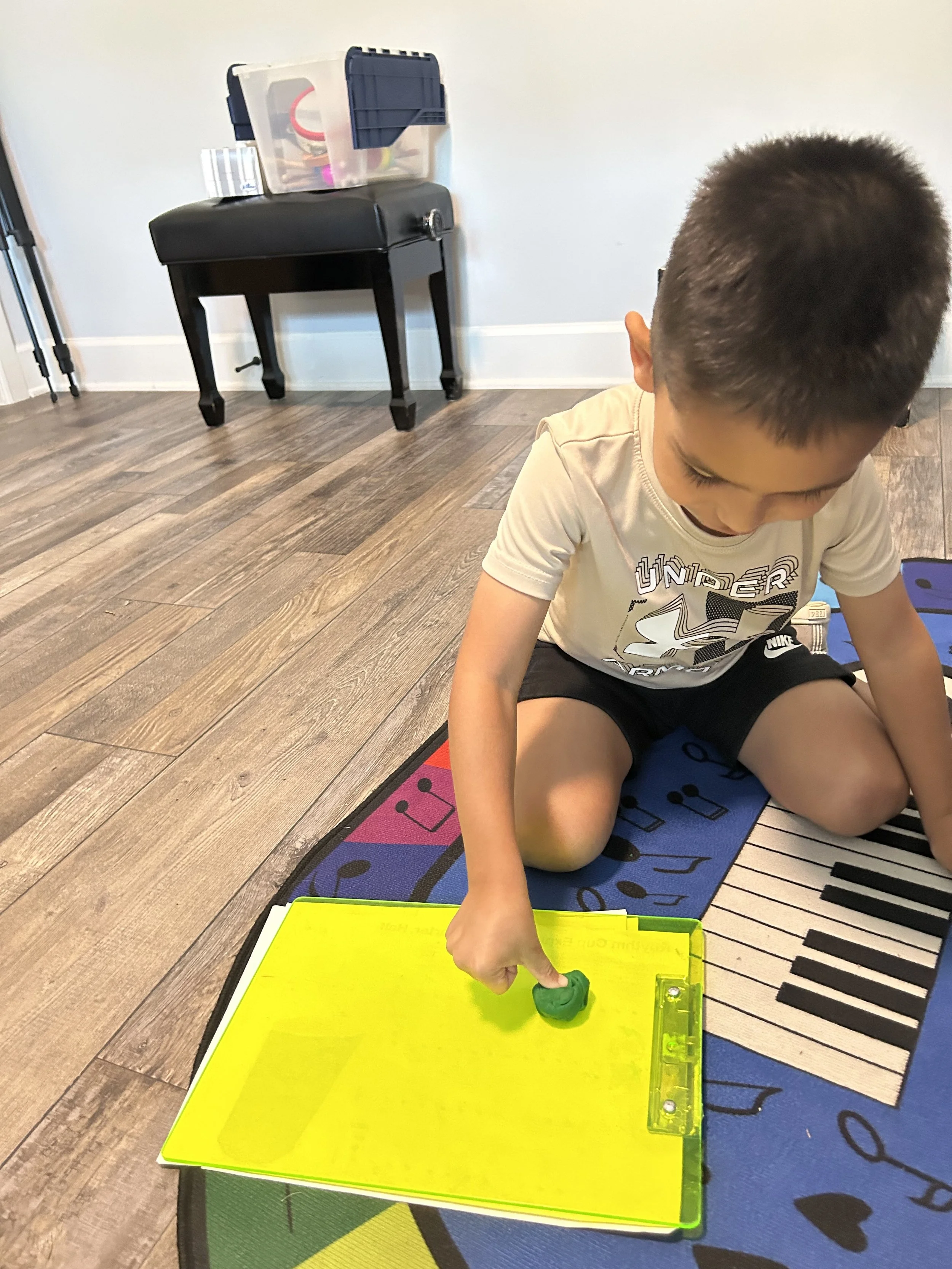
One Morning I Woke Up and Wrote Down Everything I Know About Teaching Beginners
If you’ve ever wondered how to teach a piano lesson to a 4-year-old without feeling scattered or overwhelmed, The Piano Expedition gives you a clear, creative roadmap to guide your youngest students with confidence.

🎹 When Overwhelm Meets Purpose: Reclaiming the Heart of Beginner Piano Teaching
🧭 A Clear Path for Every Age and Stage
Whether you’re wondering how to teach piano to a 4-year-old, or what kinds of activities actually work for a 5-year-old beginner, you’ll find answers inside The Piano Expedition.
Each monthly framework includes:
🎵 Age-specific lesson plans — Know exactly what to teach and when.
🎨 Creative off-bench activities — Movement, games, and manipulatives that make learning stick.
🎒 Flexible pacing guides — So you can adjust for every student’s needs.
You’ll know how to guide a 4-year-old through rhythm play and finger numbers… how to help a 5-year-old connect patterns on the keys to notation… and how to keep early learners engaged without burnout.
Stop Burning Out: How to Teach Piano with More Energy and Less Stress
As piano teachers, we’ve all been there—facing the overwhelming task of planning yet another lesson, trying to stay creative, and wishing there was a magic solution to make it all easier. Some days, the only thing getting us through is that extra cup of coffee ☕. But let’s be real—coffee isn’t enough to sustain us for an entire semester of teaching.
What we really need is a system—a flexible framework that takes the pressure off and keeps our teaching fresh and inspiring.
This is where The Piano Expedition comes in.

🎹 Little Fingers Jingle Bells: The Perfect Preschool Piano Christmas Song
If you’re searching for an easy Christmas piano song for preschoolers, Little Fingers Jingle Bells is the perfect choice for your youngest beginners.
Teaching “Jingle Bells” to preschoolers and early beginners just got easier. With Little Fingers Jingle Bells, even your youngest students (ages 3–7) can experience the joy of playing this classic Christmas tune at the piano.
This printable Christmas piano PDF is designed for tiny hands, big smiles, and holiday magic—making it the perfect first performance piece for your studio.

🎹 Teaching Kids That Music Moves in Directions
One of my favorite moments in a beginner piano lesson is watching a child’s face light up when they realize: music doesn’t just sit still—it moves.
In this activity from The Little Red Piano, my student explored the keyboard by playing all the white notes while we chanted a simple rote song together. Nothing fancy. No sheet music. Just sound, movement, and discovery.
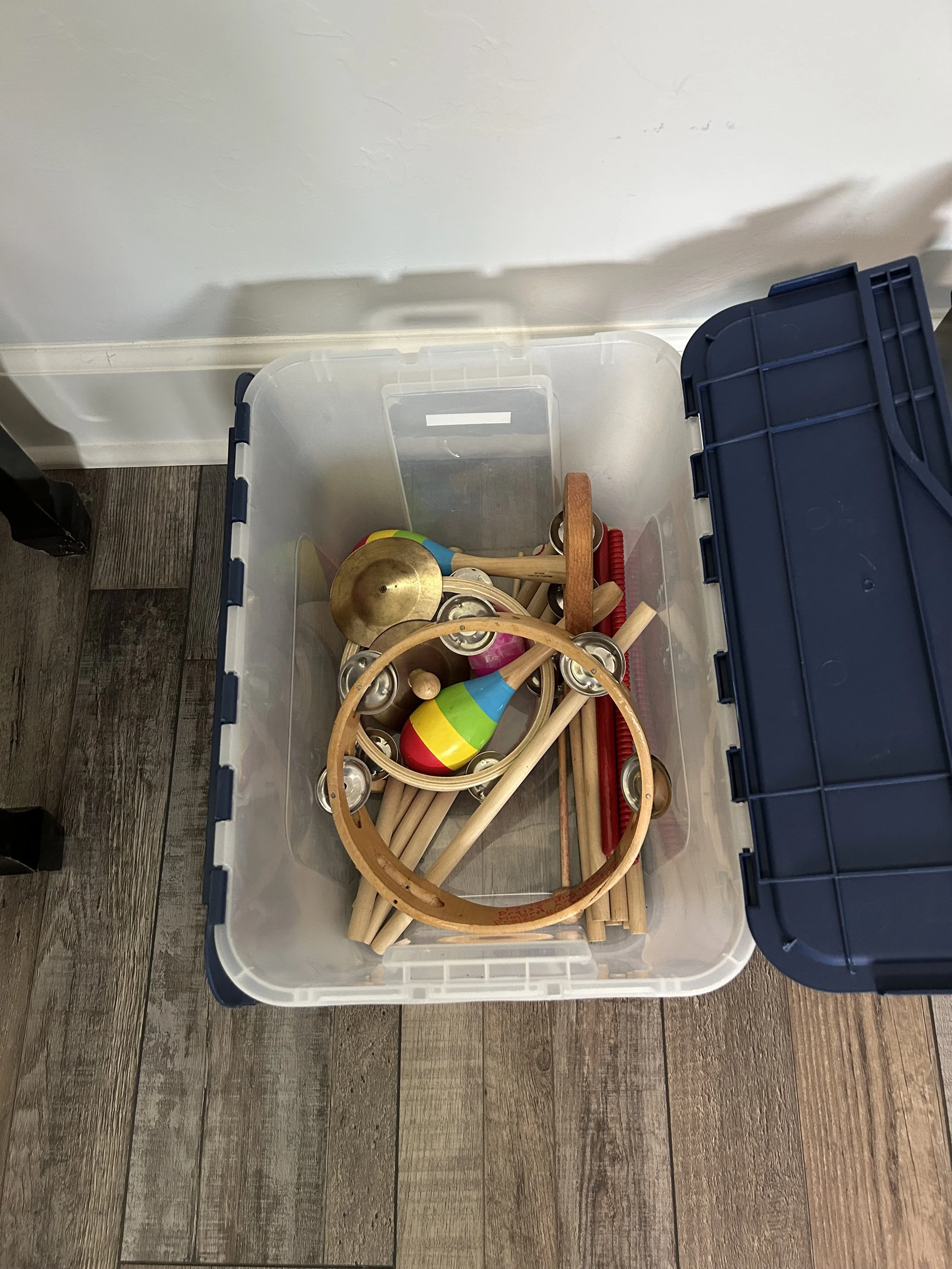
Teaching Steady Beat in Beginner Piano Lessons (Yes, It Gets Messy!)
If you’ve ever felt like your beginner piano lessons are a little chaotic—you’re not alone. Teaching steady beat, rhythm, and basic coordination is one of the trickiest parts of working with new students. And sometimes? The lesson gets messy.
That’s not a bad thing. In fact, it’s exactly how beginners learn.

Preschool Rhythm Activities: Long & Short Sounds with Xylophone 🎶
One of the best ways to teach preschoolers rhythm is through movement, sound, and play. Instead of drilling note values or clapping patterns, we can give young learners something they feel and experience—and that’s where songs like “Long Sprinkles, Short Sprinkles” come in.
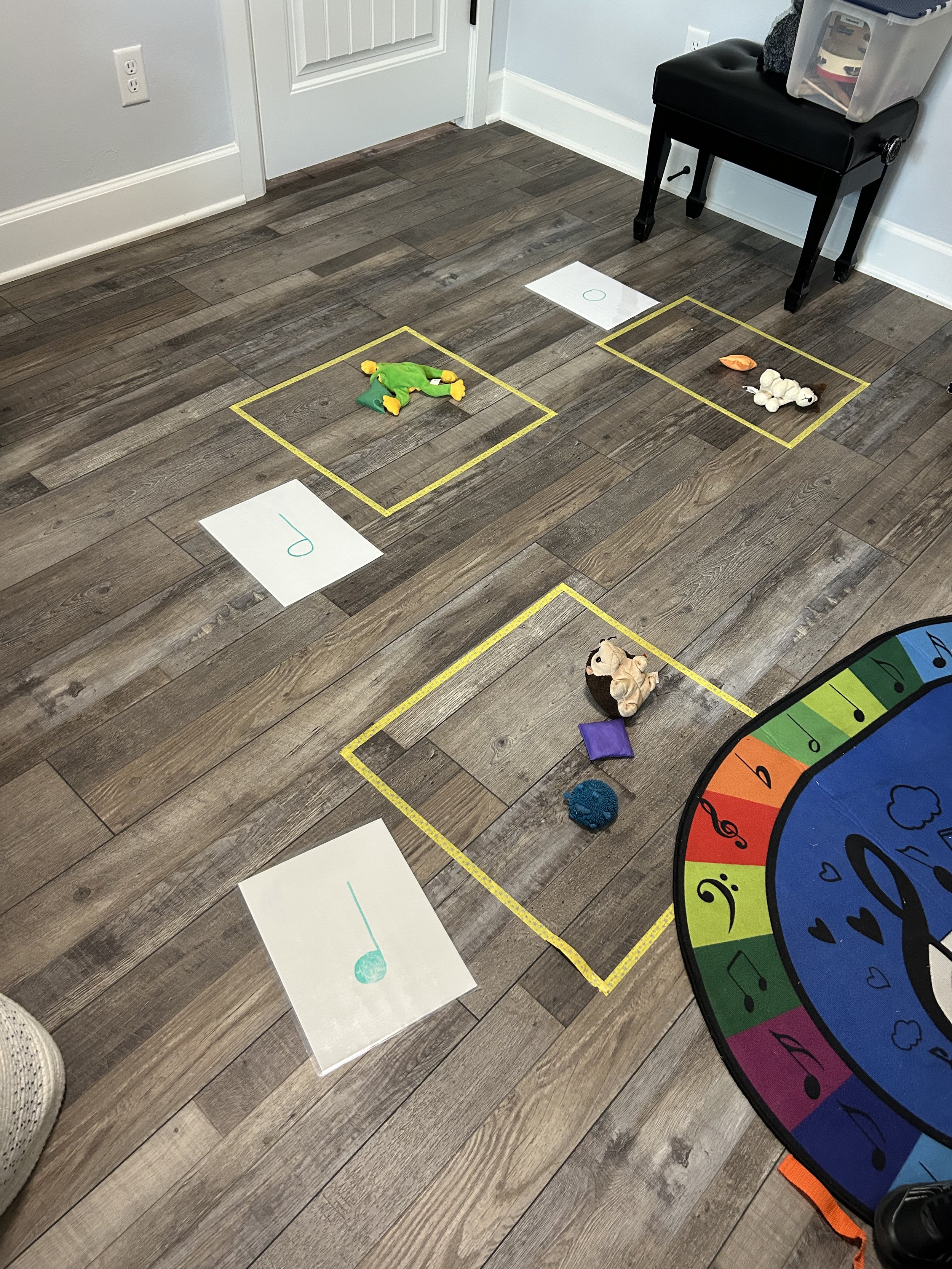
Off-Bench Piano Activities: Teaching Musical Steps with Movement 🎹
👉 Off-bench piano activities are one of the best ways to help beginner students learn musical steps, rhythm, and note reading through movement before they ever sit at the piano.
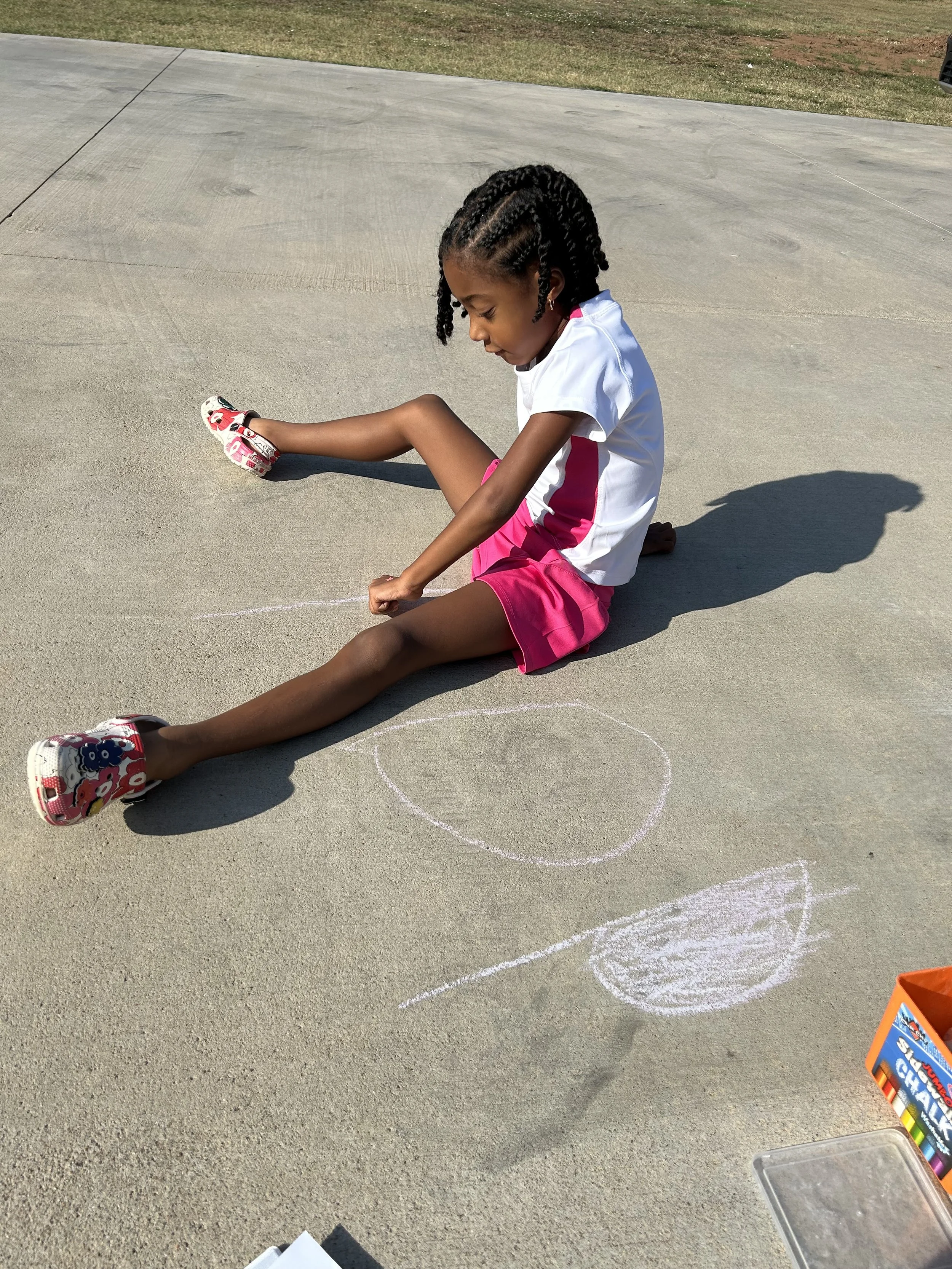
Off-Bench Piano Activities: Teach Steps and Skips Through Movement 🎹✨
Teaching piano to young beginners doesn’t have to stay at the bench—this off-bench activity using alphabet cards gets kids moving, while building the foundation for understanding steps and skips in music.
News flash for piano teachers: off-bench activities are WAY more than just apps or games.
If you’ve ever felt like “off the bench” time in your piano studio was just a bonus activity or a reward, I want to challenge that thinking. Because here’s the truth: movement isn’t extra — it’s essential. And when it comes to teaching early concepts like steps and skips, getting kids up and moving might be one of the most powerful teaching tools you have.
Piano Games AND Music Writing? Yes, You Can Have Both!
If you teach young beginners, you’ve probably felt this tension before: should piano lessons be focused on fun games or serious music theory books?
Many teachers swap in games to keep students engaged but end up leaving out the foundational writing practice that helps students internalize what they’ve learned. Others go the opposite direction, focusing heavily on worksheets but losing that joyful, playful spark that makes kids love piano.
But here’s the good news—you don’t have to choose. 🎲✏️
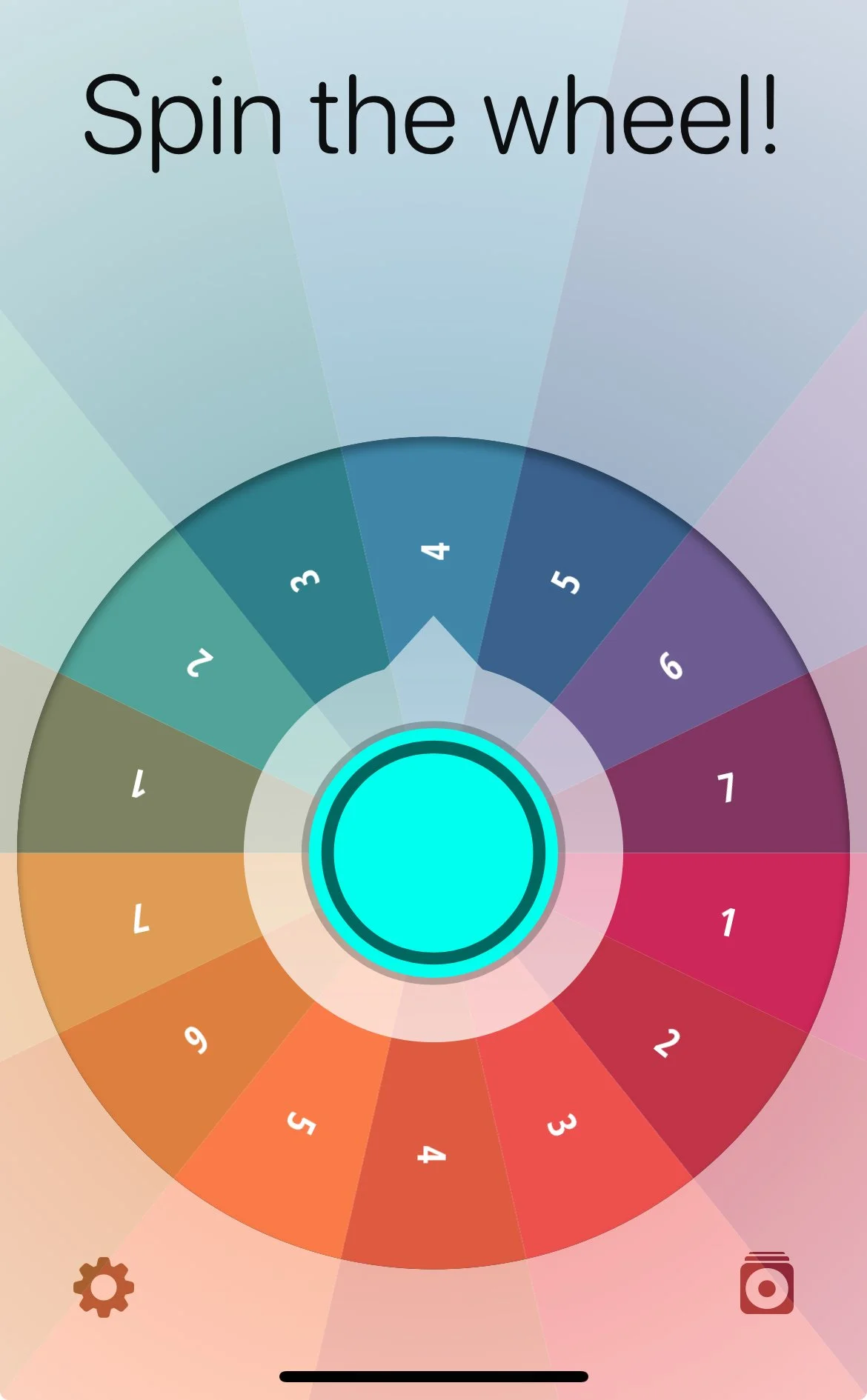
The Wheel of Doom 🎹 | A Fun Piano Lesson Game Students Love
If you’ve ever wished for a way to keep students engaged and excited during lessons, let me introduce you to the Wheel of Doom — a playful studio game that turns practice challenges into a fun adventure.
Inspired by @ryantrahan’s 50-state journey, the Wheel of Doom has quickly become a favorite activity in my studio.
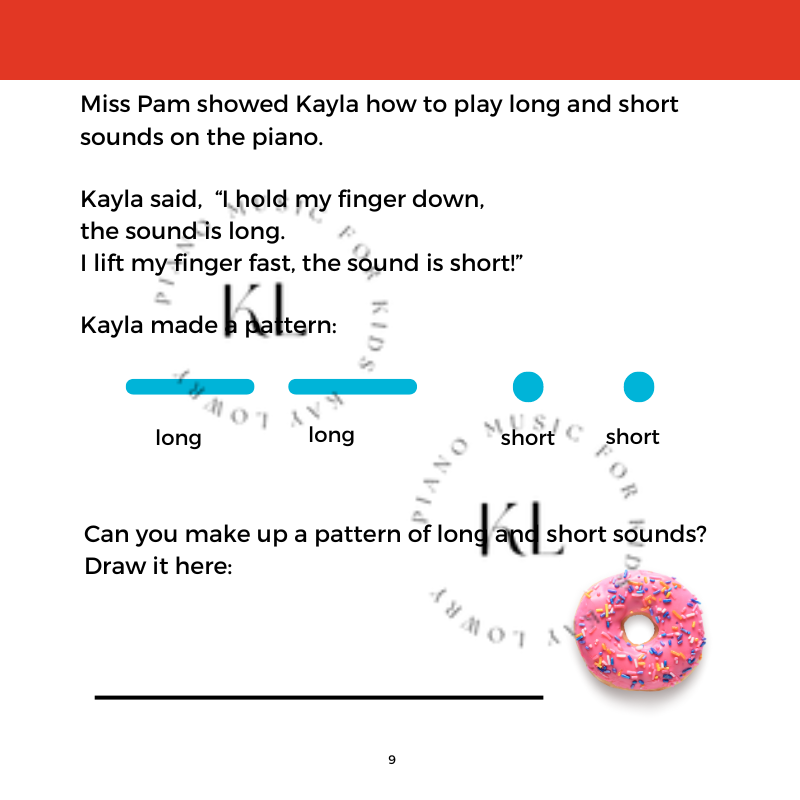
Why Off-Bench Piano Games Help Beginners Learn Rhythm Faster
Are you spending enough time "playing" with your students?
I'm not talking about board games or boom cards. I love those, too. I'm talking about games that use LARGE body movements. I'm talking about visuals that PREPARE our students instead of overwhelm them.