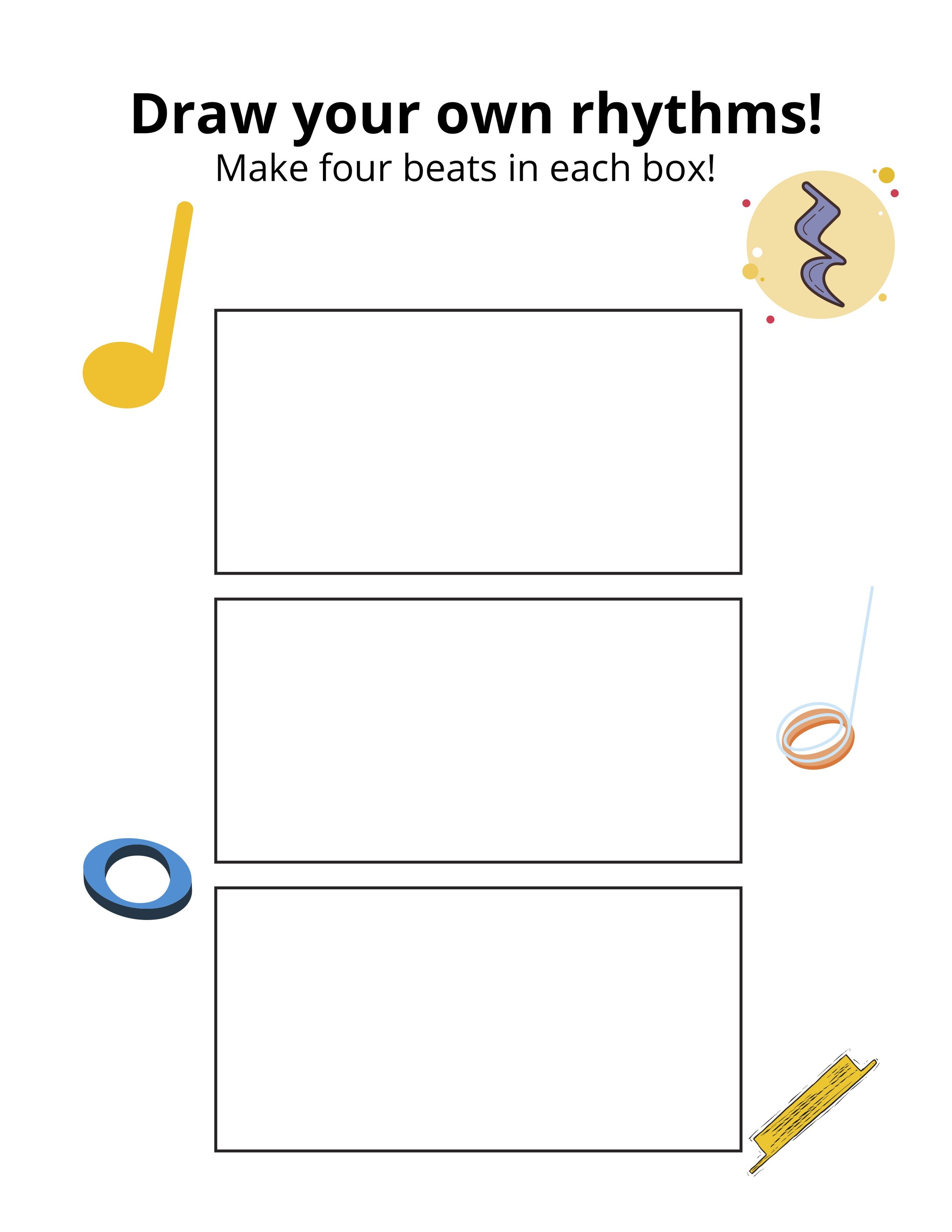
🎹 Beginner Piano Worksheets That Help Your Students Actually Learn the White Keys and Basic Rhythms
If you’ve been teaching beginner piano students for any length of time, you’ve probably asked yourself:
“Do my students really know the white keys and rhythm values—or are they just guessing?”
You’re not alone.
White key names and basic rhythms are foundational skills, but they take more than just a few lessons to truly sink in. And if we move on too quickly, we risk building everything else on shaky ground.
That’s why I created this free, printable resource:

Creative Piano Teaching Resources:Fun Piano Key Worksheets for Young Kids
Are you a piano teacher who's constantly searching for innovative ways to keep your youngest students engaged? Do you find yourself wishing for resources that combine fun, effective learning, and a touch of magic? I hear you, and you are not alone!
As piano teachers, we pour our hearts into nurturing a love for music in our students. But let's be honest, those initial lessons on the piano can sometimes feel… well, a little less than inspiring for tiny hands and short attention spans. You've probably tried flashcards, tried singing songs, and even brought in some musical games. Yet, the struggle to make those white keys "stick" in a memorable and exciting way is real. Why do they always forget?
You want your students to feel excited to learn, not just to tolerate it. You want them to grasp fundamental concepts without tears or glazed-over eyes. And most importantly, you want to ignite a lifelong passion for piano, starting from those very first notes

The Day I Said Yes to Für Elise—and Watched a Beginner Shine
This post will either be a horrific trigger of your most dreaded student request... or a welcome relief. 😅
With those two possibilities ahead of us, here goes the story:
I have this 9-year-old student.
He’s a little nerdy, wildly enthusiastic, and absolutely loves piano.
We’re talking brand-new beginner here—I haven’t even officially introduced the white key names yet. We’ve just been exploring black key patterns, finger numbers, and rote pieces. (You know the drill.)
And then... it happened.
“I want to play Für Elise!”

Easy Piano Songs for Kids: Fun, Familiar Tunes to Keep Beginners Engaged
If your beginner students are wiggly, distracted, or just not connecting with traditional method books, you’re not alone. Many piano teachers are feeling the shift—today’s kids are growing up in a fast-paced, visually stimulating world. Black-and-white sheet music just isn’t cutting it for every child.
You want your students to fall in love with music. To light up when they finally master a new piece. But instead, you might be seeing blank stares, skipped practice, or frustration that leads to burnout. Not to mention, they just stop practicing!
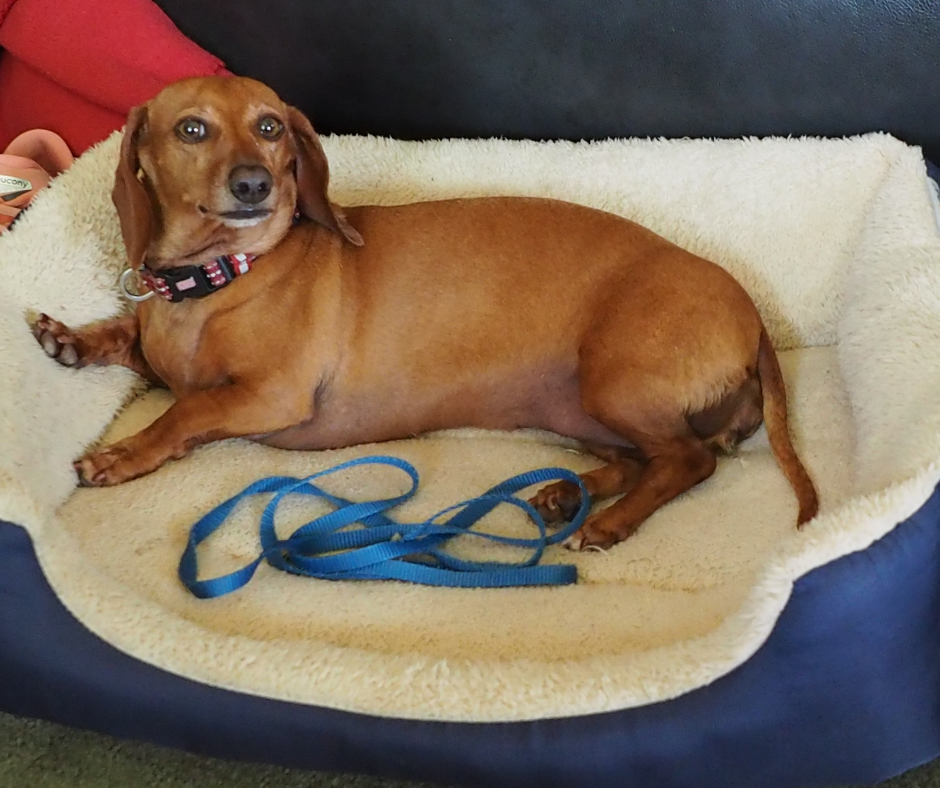
Get the Leash! — An Easy Piano Song for Beginners Who Are Ready to Read on the Staff 🐾
Looking for an easy piano song that’s perfect for beginners and still sounds adorable? Check out Get the Leash!, a studio-licensed early elementary piano solo that’s short, sweet, and all about the joy of a pup who’s ready to GO. And I mean when she wants a walk, she wants a WALK! 🐾
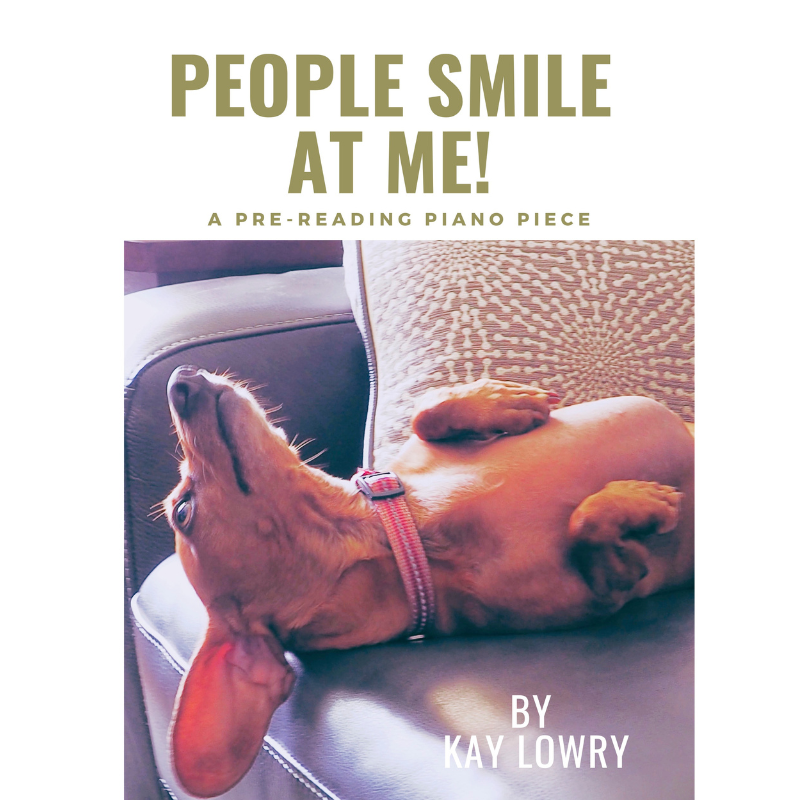
🐾 Easy Piano Music for Beginners: A Fun, Pre-Reading Piece for Young Piano Students
If you're looking for easy piano music for beginners that students actually enjoy playing, take a look at People Smile at Me! This pre-reading piano solo is perfect for young children just starting piano lessons—especially those who need easy sheet music that’s playful, accessible, and confidence-building.
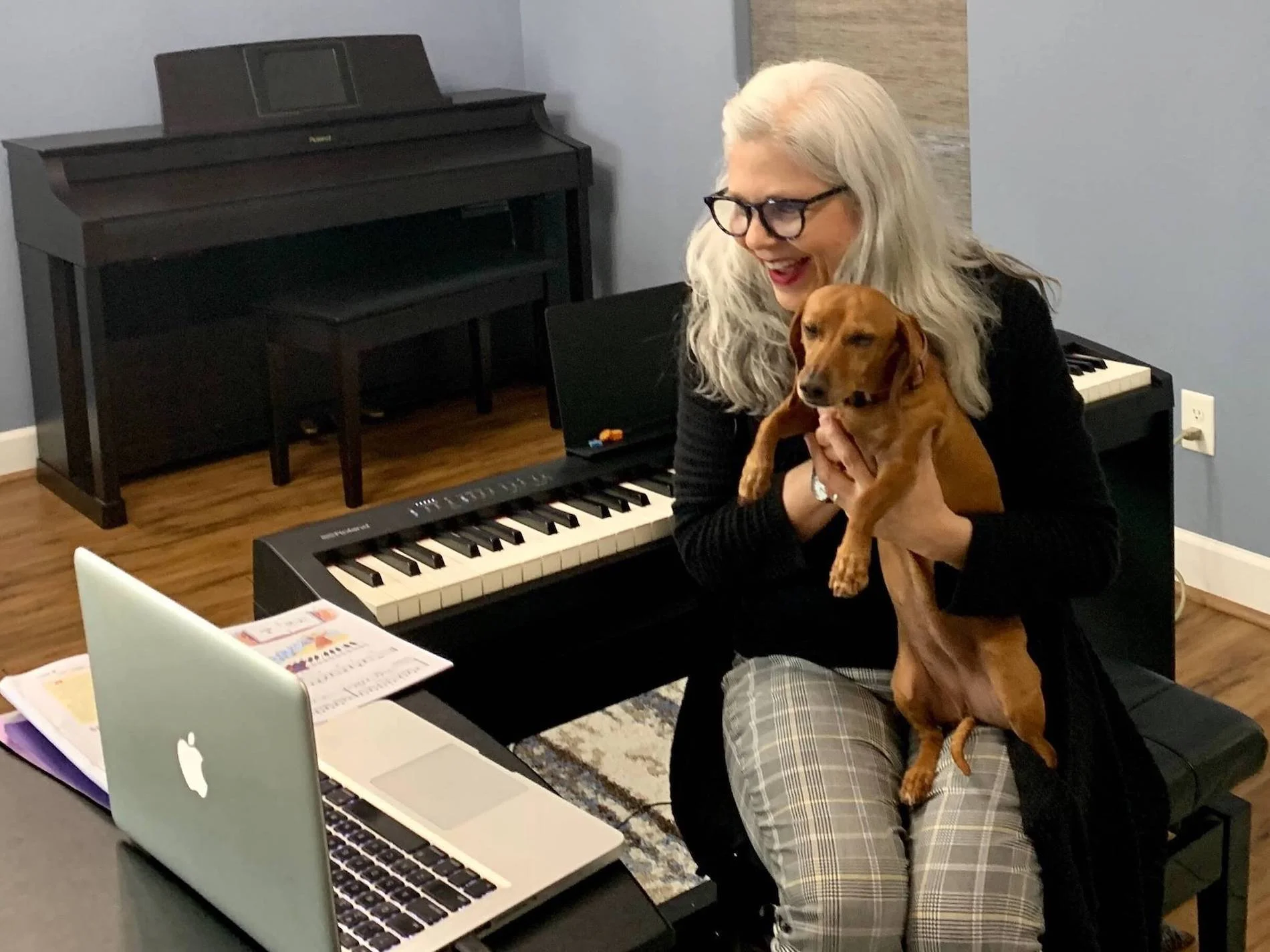
A Piano Teacher Can Use ChatGPT!
Want to learn more about ChatGPT? Find out what I do in the article I wrote for the “Colourful Keys” blog!

6 Steps to Confident Recitals – A Free Resource for Piano Teachers
It’s three weeks before your recital. One student CANNOT remember to bow, another panics when you remove the music from the music rack, and one of your best students keeps rushing the tempo no matter what you have tried.
You’ve scheduled the recital venue. You’ve planned refreshments. You have typed the recital program and checked it. Why won’t these students get with it and learn their music?
You are not alone. I’ve been there. I remember once - I had one of my best students go to the piano during a recital and she could not remember where to put her hands! And she was in junior high! I vowed then and there that I needed a SYSTEM (and this was before this word came into vogue) to turn my students into CONFIDENT performers.
A Piano Lesson Plan for Young Children
Why This Method Works for Young Beginners
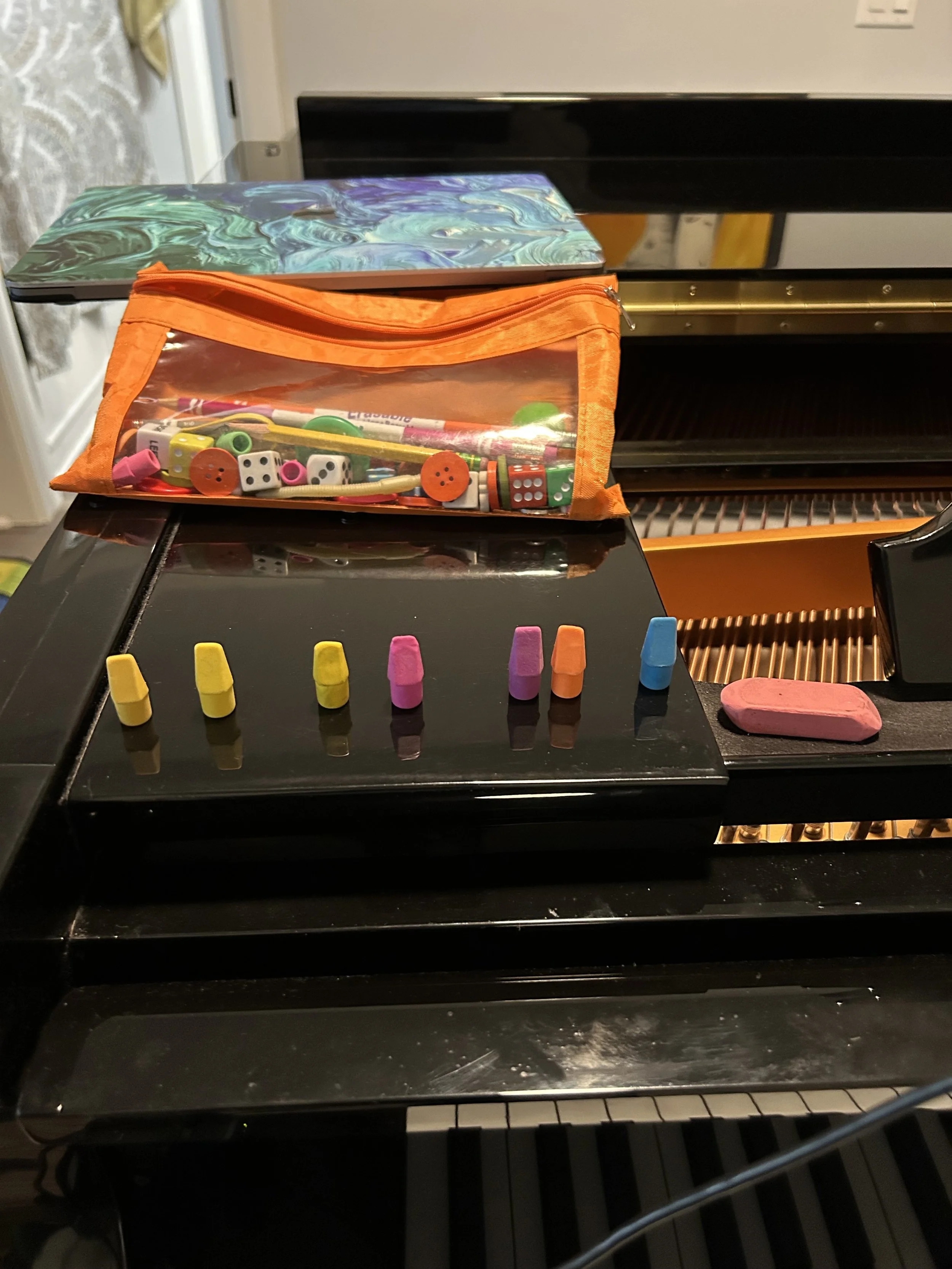
Breaking down rhythm learning into physical, visual, and auditory components makes the process accessible and enjoyable. It’s a great strategy for teaching rhythm to young piano students, especially when they aren’t quite ready for more traditional note-reading methods.
Want to learn more effective teaching strategies for young beginners? Stay tuned for my upcoming posts with more practical tips and creative ideas!
How to Teach Musical Phrasing to Piano Students (With Help from a Magical Queen)
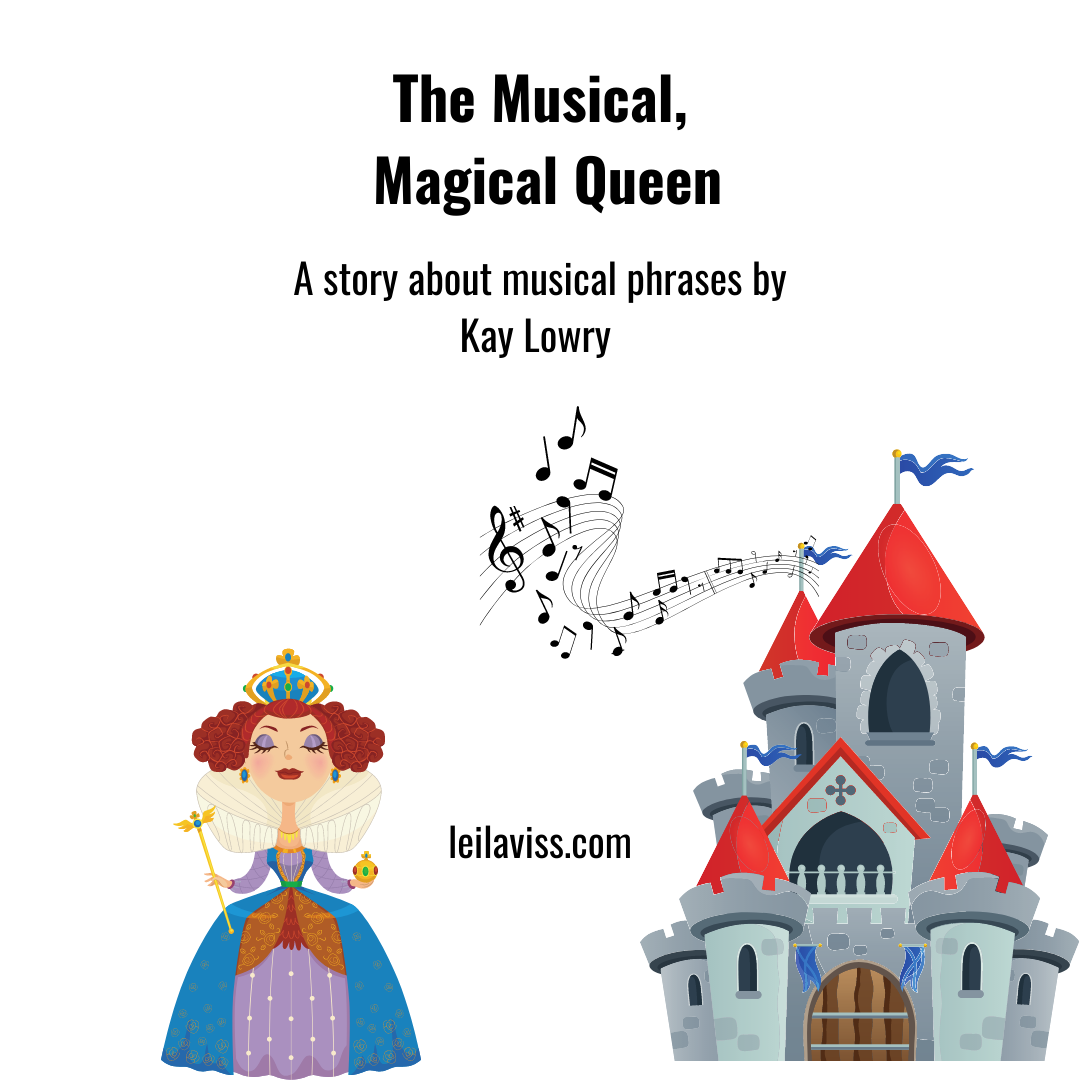
If you’ve ever wondered how to teach musical phrasing to piano students in a way that truly sticks—especially with your fairy-loving beginners—let me introduce you to Ginny.
Ginny adores all things girly. Princesses, ballerinas (she takes ballet herself), and sparkles? Yes, please. But when it came time to teach her about musical phrasing, my usual superhero metaphors fell flat.
That’s when The Musical, Magical Queen came to the rescue.
Learn from My Mistake: The Avoidable Teaching Misstep That Leads to “WOW” Piano Playing
I used to think every phrase should crescendo to the high note. That’s where the energy is, right?
But something always sounded… off.
It wasn’t until I attended a fantastic conference session with Peter Mack that I finally had my “aha” moment. He talked about the emotional arc of a phrase—and suddenly, everything clicked.
The High Note Isn’t Always the Climax
Sometimes, the high note lands on a weak beat.
It might be a passing tone or even part of a gentle descent meant to release tension, not build it.
That changed the way I listened—and the way I taught.
Now, I invite my students to listen first and analyze second. We don’t just follow the contour of a melody. We ask:
Where does the phrase want to go?
What kind of character does it have?
Where’s the real destination?
It’s not just technical. It’s emotional. It’s artistic. And it’s where the magic happens.
How a Superhero Helps Piano Students Play With Expression
A Musical Adventure That Makes Phrasing Come to Life!
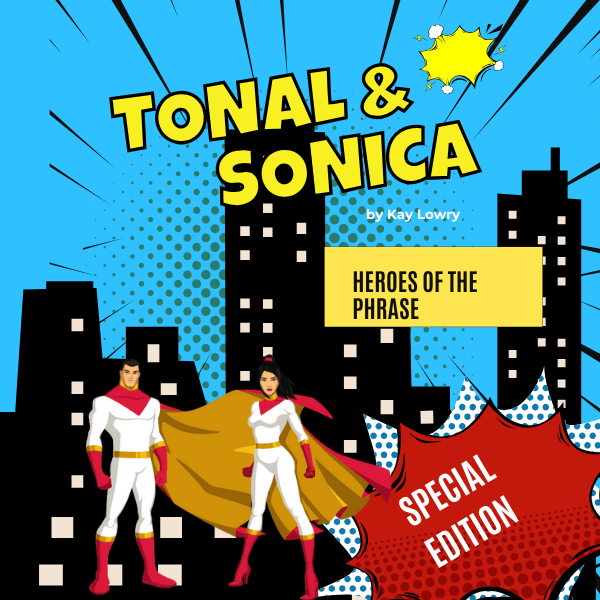
Join Tonal and Sonica, two fearless superheroes, as they patrol the city, searching for ways to transform lifeless melodies into expressive, captivating music! Armed with magical jewels and bracelets, they hurl their powers at the most important notes in each phrase-bringing music to life! But danger lurks in every measure... Villains threaten to flatten their mission, and only by teaming up with the mysterious Krypto-Crescendo can they uncover the most powerful note of all!
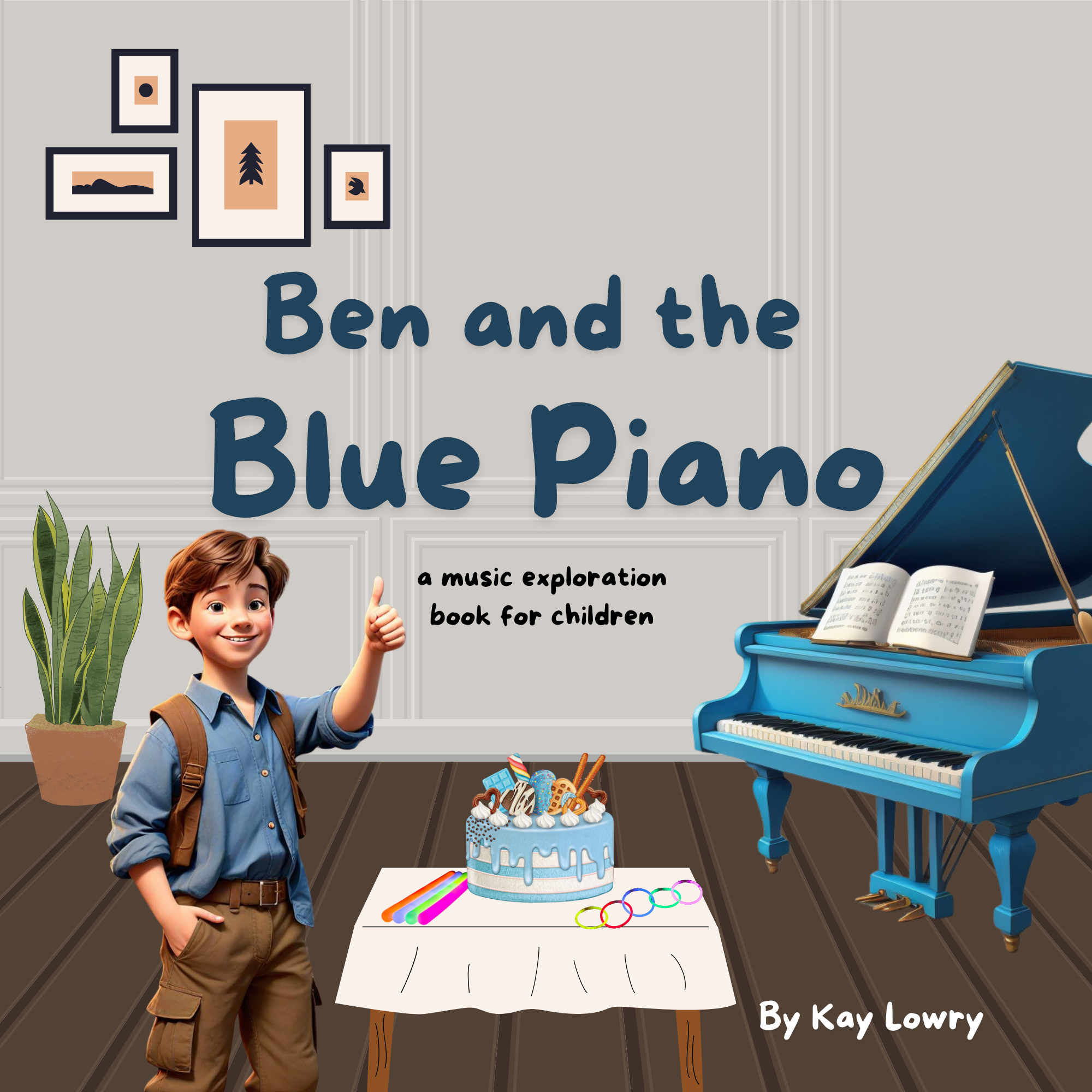
Explore and Improv at Piano with your Youngest Students
Finally, a music exploration book for young kids—now available as a digital download!
Research shows that music plays a vital role in early childhood development, enhancing motor skills, social interaction, speech, memory, confidence, and creativity. Ben and the Blue Piano is designed for children ages 4-7, including special needs students or any child who loves to create their own songs and learn at their own pace.
This engaging resource introduces foundational musical concepts through play, exploration, and movement. Perfect for piano teachers and parents, the digital format makes it even easier to incorporate music learning into lessons—whether in-person or online.

Done-for-you: The Ultimate Summer Music Camp for Young Pianists
Turn Up the Fun This Summer with Red, the Confused Blue Heeler Music Camp!
Are you looking for an exciting way to engage your piano students this summer? Imagine a camp filled with music, storytelling, and adventure—all wrapped up in one easy-to-use package! Introducing Red, the Confused Blue Heeler, a five-day music camp designed to bring the magic of classical music to students of all ages.
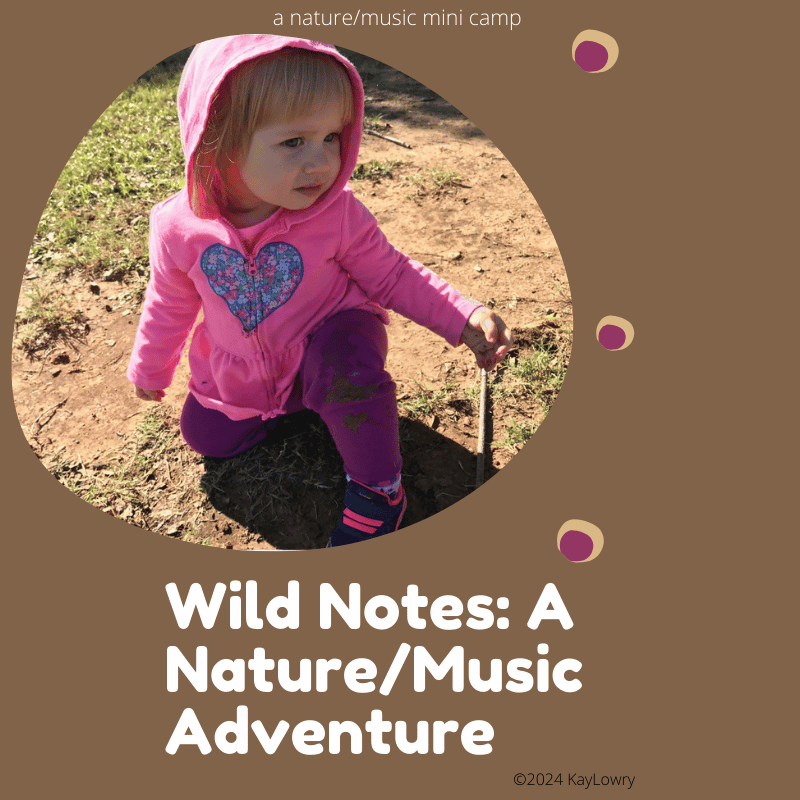
Wild Notes: A Nature & Music Camp That Inspires Young Learners
What if you could bring the sounds of nature into your music studio? Imagine children giggling as they shake homemade instruments, tapping rhythms inspired by raindrops, and listening to the wind while creating their own musical stories. With Wild Notes: A Nature & Music Camp for Young Children, you can turn this vision into reality!
This engaging 4-day camp is designed for kids ages 4-9, blending music-making with sensory nature exploration. Perfect for summer programs, community events, or studio workshops, it helps young learners connect with the world around them while developing their musical skills.

Boost Your Studio This Summer with an Engaging Drum Circle Camp
Summer camps are a great way to keep students engaged, attract new families, and boost your studio income. But planning can feel overwhelming! The secret? Choose a simple, engaging theme and use a ready-made plan to save time.
How to Plan a Summer Camp (Without the Stress!)
Summer camps are a fantastic way to keep students engaged, attract new families, and add extra income to your studio. But planning can feel overwhelming—where do you start? The key is choosing a clear, engaging theme that excites students and makes teaching easy for you.
Steps to a Smooth & Successful Camp:
🎯 Pick a Focus: Keep it simple! Whether it’s rhythm, composition, or creative movement, a well-defined theme makes planning easier.
📅 Set the Schedule: Will your camp run for multiple days, one-day workshops, or weekly group sessions? Find a format that fits your studio.
🎶 Make It Hands-On: The best camps get kids moving, creating, and collaborating. Fun, active learning keeps energy high!
📣 Promote Early: Announce your camp at least two months in advance to give families time to plan. Use email, social media, and word of mouth to spread the word.
How to Plan a Summer Piano Camp (Without the Overwhelm!)
Summer camps can be a fantastic way to engage students, boost your income, and bring fresh energy to your studio. But planning one can feel overwhelming—where do you start? The key is to choose a well-structured curriculum that makes your job easier while keeping students excited and engaged.

Beyond the Notes: Why Art and Music Belong Together in Your Studio Summer Camp
Music and art share a powerful connection—both ignite creativity, encourage self-expression, and help students see the world in new ways. When young students explore music through visual art, they strengthen their listening skills, spark their imagination, and build confidence in their creative choices.
This is why incorporating art into your piano lessons or summer camps can be a game-changer. Whether it’s drawing while listening to music, exploring composers who were inspired by art, or creating music based on colors and shapes, these activities engage students in a deeper, more meaningful way.

How to Plan a Summer Camp for Your Music Studio
Have you thought about running a summer camp but feel overwhelmed or unsure where to start? Maybe you just need a little guidance to help bring your ideas to life. If that sounds like you, then you're in the right place!
I've planned and run multiple summer camps in my music studio, and today, I’m sharing my top tips to help you make your camp a success. Whether you want to increase income, keep students engaged, or free up your schedule, summer camps can be a game-changer.